
Hot Melt Book Binding
Hot Melt Book Binding Adhesive That Stops Page Loss at the Source
Hot melt book binding is the invisible decision that determines whether a perfect-bound book survives a bookstore shelf or falls apart after one reading. When pages pull out, the result is customer returns, reprint costs, and damage to your print shop’s reputation. Our adhesives are engineered to eliminate the root causes of binding failure — poor spine penetration, insufficient open time, cold-weather brittleness, and glue pot charring — so every book that leaves your bindery stays bound.
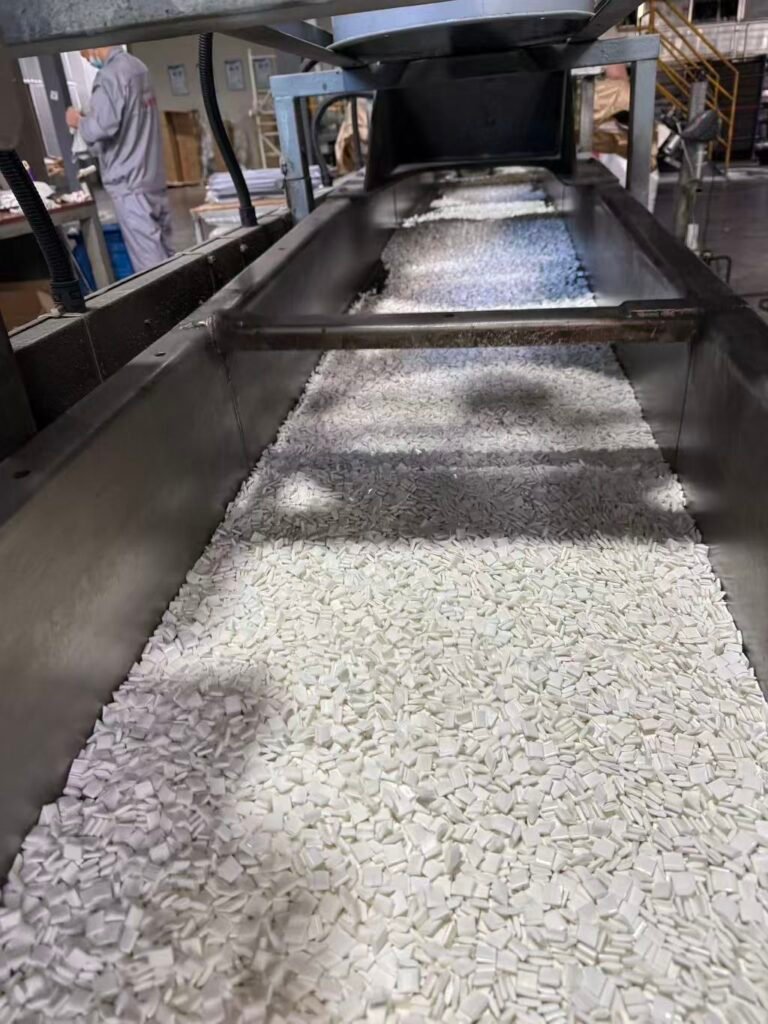
Produced in four application-specific grades, our hot melt book binding glue is formulated for every major binding platform: single-clamp perfect binders, high-speed inline systems running 18,000 books per hour, oval binders, and semi-automatic machines. Whether you bind trade paperbacks, textbooks, catalogs, or phone directories, there is a grade matched to your paper stock and line speed — and a technical team that will help you dial it in.
Hot Melt Book Binding Defects — and How Our Adhesive Eliminates Them

Most binding quality problems are not operator errors — they are mismatches between the adhesive and the production conditions. Here is how our hot melt book binding formulations address the defects that cost your bindery money.
Pages separate from the book block because the adhesive never fully penetrated the roughened spine. This happens when viscosity is too high, open time is too short, or the glue temperature is too low. Our premium and high-copper grades are formulated with lower surface tension and longer open time, ensuring the glue flows into the spine fibers before skinning over. The result: fiber-tear bonds instead of clean adhesive failure.
Uneven or Bulging Spine
A wavy spine comes from inconsistent glue application or adhesive that stays soft too long after nipping. Our hot melt book binding adhesive has a narrow melting range and controlled viscosity that delivers a uniform 0.4–0.8 mm spine film, with a setting speed that allows clean trimming within seconds of binding.
Glue Stringing
Stringing contaminates the machine, leaves glue on covers, and slows production. Our formulations include flow modifiers that reduce stringing at the recommended temperature window, reducing cleanup time and rejected books.
Cold-Weather Brittleness
Books shipped in winter or stored in unheated warehouses can lose pages if the adhesive turns brittle. Our low-temp flexible grade remains flexible down to -15°C, protecting your bound books through cold-chain logistics and winter export.
Glue Pot Charring
Adhesive held too hot or too long degrades, increasing viscosity and producing carbonized particles that block nozzles. Our thermal-stabilized formulations maintain consistent viscosity for 60–72 hours at operating temperature, reducing pot cleaning frequency and material waste.
Performance Parameters
Selecting hot melt book binding adhesive by price alone is a false economy. The wrong grade increases waste, slows your line, and produces returns. These are the parameters that matter — and how we control them.
Open Time
The window between glue application and cover nipping during which the adhesive remains tacky. Must match your clamp cycle time exactly.
- Short (8–15 sec): high-speed inline binders, thin blocks
- Medium (12–20 sec): single/double-clamp machines, general trade books
- Long (18–30 sec): thick blocks (30mm+), heavy coated paper, cold floors
A mismatch means either weak cover adhesion (too short) or soft spines at stacking (too long). We help you calculate the correct open time based on your machine’s clamp cycle.
Setting Time
How quickly the adhesive develops green strength for trimming and stacking. Our grades set in 3–12 seconds, formulated as roughly 40–50% of open time — fluid during nipping, solid before trimming.
Page Pull Strength
Force required to pull a page from the bound block (N/cm). Tested per ASTM D4998. Fiber-tear failure (paper tears before the bond fails) is the target — and what our grades deliver on matched paper stock.
Cold Flexibility
Critical for winter shipping and export. Our low-temp grade remains flexible to -15°C, eliminating the page-loss claims that standard adhesive generates in cold months.
Suitable For Binding Various Types Of Paper
The paper is half of the bond. Our hot melt book binding adhesive grades are matched to specific paper types — here is how to select.
Uncoated Offset Paper
Porous, forgiving, the most common book paper. Standard grade (BB-170) delivers excellent penetration and fiber-tear bonds. Recommended spine roughing: 1.5–2.0 mm.
Light Coated Paper
Moderate surface energy. Premium grade (BB-180) for consistent results. Roughing must fully remove coating: 2.0–2.5 mm depth.
Heavy Coated / Art Paper
The hardest stock to bind — clay coating resists glue wet-out. High-copper grade (BB-185) is formulated specifically for this. Success requires roughing ≥ 2.5 mm, upper-range glue temperature, and side gluing where possible.
Dictionary / Bible Paper
Thin, dense, calendered. Requires low-viscosity adhesive that penetrates without bleed-through. Premium grade at reduced application volume.
Recycled Paper
Variable fiber quality. Premium grade recommended; test pull strength per batch.
Please Tell Us Your Paper Type
Machine Compatibility And Setup
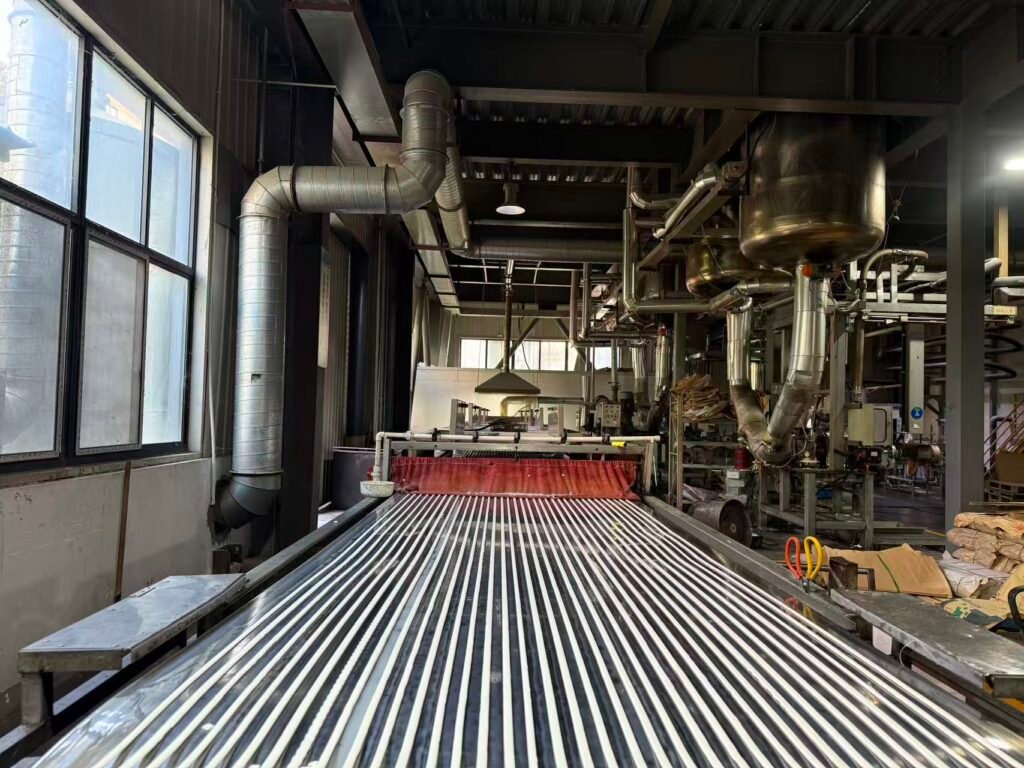
Our hot melt book binding glue runs on every major binding platform. Correct setup is as important as adhesive selection — and we provide machine-specific parameter sheets.
Standard setup for hot melt book binding:
| Parameter | Recommendation |
| Glue pot temperature | Verify with calibrated thermometer (displays drift ±8°C) |
| Spine glue film | 0.4–0.8 mm (uncoated), 0.6–1.0 mm (coated) |
| Side glue film | 0.2–0.4 mm |
| Spine roughing depth | 1.5–2.0 mm (uncoated), 2.0–3.0 mm (coated) |
| Nipping pressure | 0.2–0.4 MPa (adjust by paper and block thickness) |
| Block preheat | 25–35°C (critical in cold environments) |
| Glue pot cleaning | Every 200 operating hours or grade change |
Machine brands supported: Muller Martini (Corona, Acoro), Heidelberg (Eurobind), Horauf, Biesse, SCM, and Chinese binders .
For volume customers, our technical team provides on-site setup and operator training to ensure your hot melt book binding line runs at rated speed with minimum waste.
Reduce Without Cutting Corners
Adhesive cost per book depends on consumption and defect rate, not just price per kilogram. A cheaper adhesive that causes 2% page-loss returns costs more than a premium adhesive at 1% waste.
Typical hot melt book binding consumption:
| Book Type | Spine Width | Per Book |
| Trade paperback (uncoated) | 10–15 mm | 1.5–2.5 g |
| Textbook (uncoated) | 20–30 mm | 3.0–5.0 g |
| Catalog (coated) | 5–10 mm | 1.2–2.0 g |
| Phone directory | 40–60 mm | 5.0–8.0 g |
| Thick hardcover block | 30–50 mm | 4.0–7.0 g |
Ways our hot melt book binding adhesive lowers your cost:
- Consistent viscosity means you apply the minimum film that still achieves fiber-tear bonds — no over-application to compensate for weak glue
- 60–72 hour pot life reduces adhesive waste from degradation
- Low defect rate means fewer rejected books and no customer returns
- Batch-to-batch consistency means no line stoppages to re-tune parameters
We will calculate your actual cost per book based on your machine, paper, and book dimensions — and show you where a grade upgrade pays for itself.
Hot Melt Book Binding Storage and Glue Pot Maintenance
Proper handling protects your adhesive investment and prevents binding defects.
Storage:
- Sealed packaging, 5–30°C, below 60% RH
- Shelf life: 24 months (pellets and slats)
- Do not stack pallets over 3 high (prevents slat deformation)
Glue pot operation:
- Pre-melt in a separate pre-melter before adding to operating pot (prevents temperature drop)
- Maintain 60–80% pot level for consistent temperature
- Never exceed recommended maximum temperature
- Empty and clean thoroughly when changing grades — residual adhesive alters new grade properties
Cleaning and safety:
- Clean with hot-melt cleaner at operating temperature
- Molten adhesive is 165–190°C — use heat-resistant gloves and face shield
- SDS available on request
Hot Melt Book Binding Quality Control
Every batch of our hot melt book binding adhesive is tested before release:
- Melt viscosity (ASTM D3236)
- Softening point (ASTM E28)
- Open time (20°C / 50% RH, calibrated timer)
- Page pull strength (ASTM D4998, uncoated + coated)
- Cold flexibility (folding test at specified temperature)
- Color consistency (spectrophotometer vs. retained master)
- Thermal stability (72-hour pot life, viscosity at 0/24/48/72h)
- Moisture content (< 0.1%)
- Fiber-tear verification (visual on test bonds)
- Particle/slat dimension check
Each shipment includes a Certificate of Analysis with batch-specific results. Retained samples stored 24 months for traceability.
Hot Melt Book Binding Trial
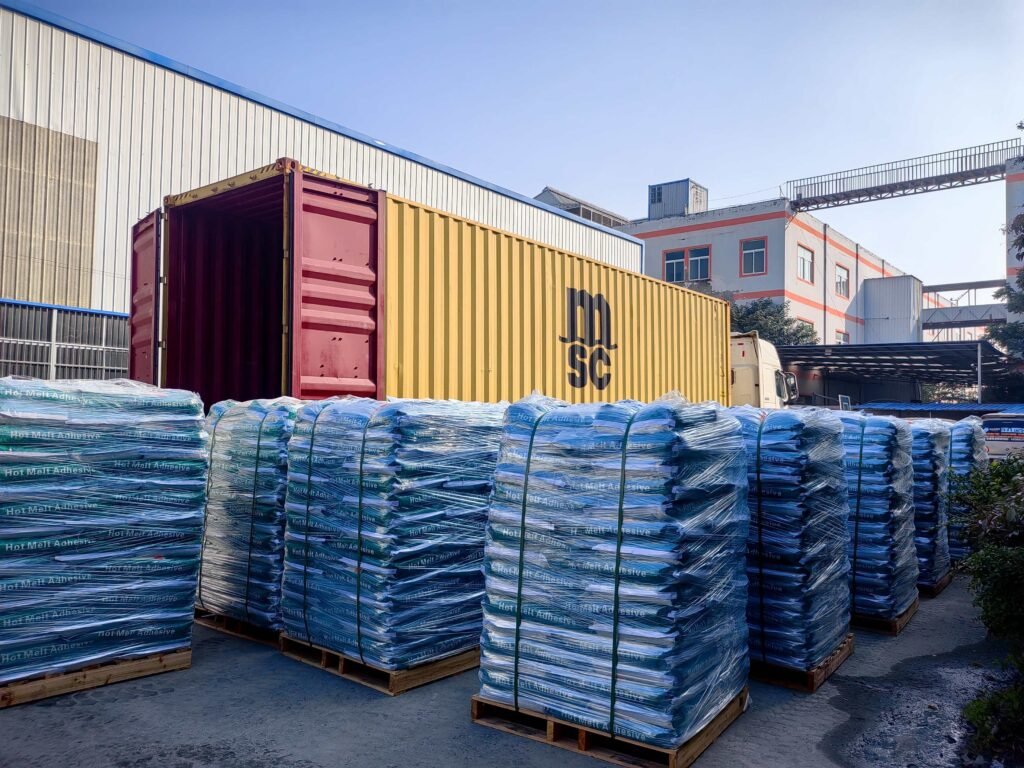
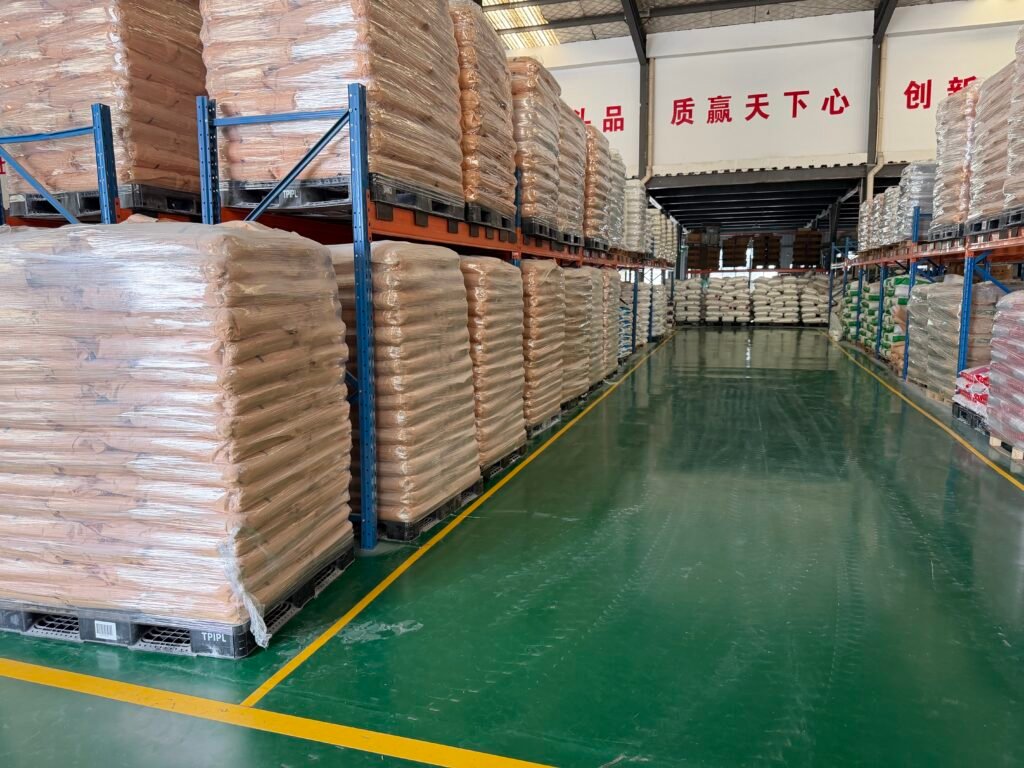
Switching or qualifying hot melt book binding adhesive should not require a production gamble. Our trial process is structured to prove performance on your line before you commit.
- Application survey— machine type, paper stock, block thickness, speed, current defects
- Grade recommendation— 1–2 grades with technical rationale
- Free samples— 2–5 kg per grade, TDS, and machine parameter sheet (ships in 3 working days)
- Machine trial— run on your binder with our parameters
- Bond testing— page pull, spine flex, cold test if applicable
- Parameter optimization— fine-tune temperature, glue volume, roughing, nipping
- Production qualification— lock grade and parameters, establish consumption baseline
For qualifying volume customers, we provide on-site technical support during the initial trial at no additional cost.
Start Your Trial — Free Samples
FAQ
What causes page loss in perfect binding?
Most page loss traces to insufficient glue penetration into the spine. Check roughing depth (1.5–3mm by paper), glue temperature, and open time vs. machine speed. For coated paper, ensure coating is fully removed and use our high-copper grade.
How do I reduce glue stringing on my hot melt book binding line?
Stringing usually means low temperature or high viscosity. Verify actual pot temperature with a calibrated thermometer, then try +5°C or switch to a lower-viscosity grade. Clean glue rollers regularly — dried buildup causes irregular application.
Can I mix two hot melt book binding grades in one pot?
No. Different VA contents and additives produce unpredictable results. Empty and clean the pot before changing grades.
How long can hot melt book binding adhesive stay in the pot?
60–72 hours at recommended temperature; 48 hours for high-copper. If idle >8 hours, lower to 120–130°C standby to extend life.
My books crack in winter shipping. Which hot melt book binding grade?
Use our low-temp flexible grade, flexible to -15°C. Also condition books to room temperature before shipping and avoid direct contact with cold container walls.
What is the correct glue film thickness for hot melt book binding?
0.4–0.8 mm for uncoated, 0.6–1.0 mm for coated. The minimum that produces full fiber-tear bonds is optimal. Excess glue raises cost and can cause spine bulging.
Do you offer hot melt book binding in slats and blocks?
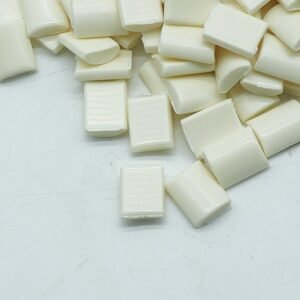
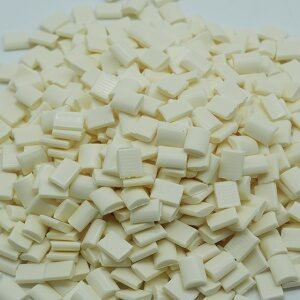
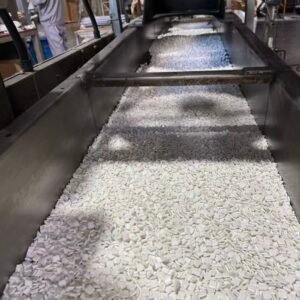
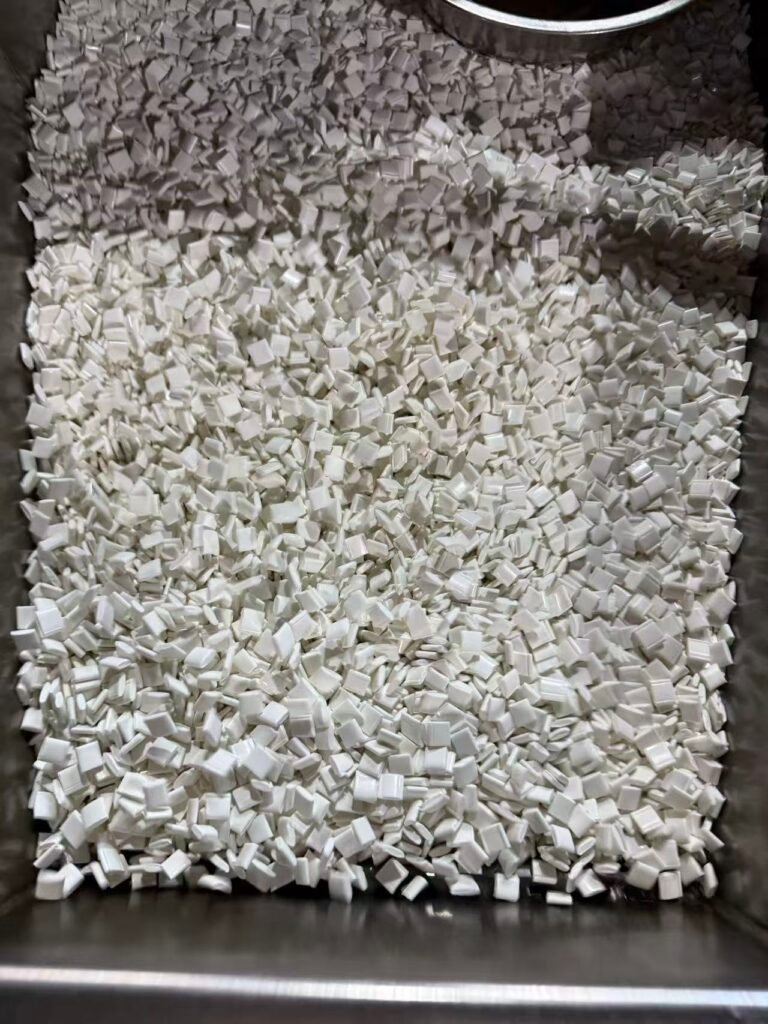
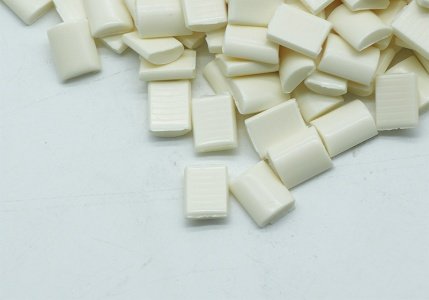
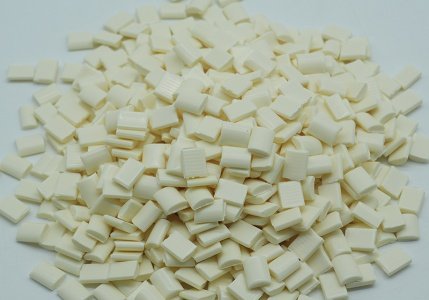
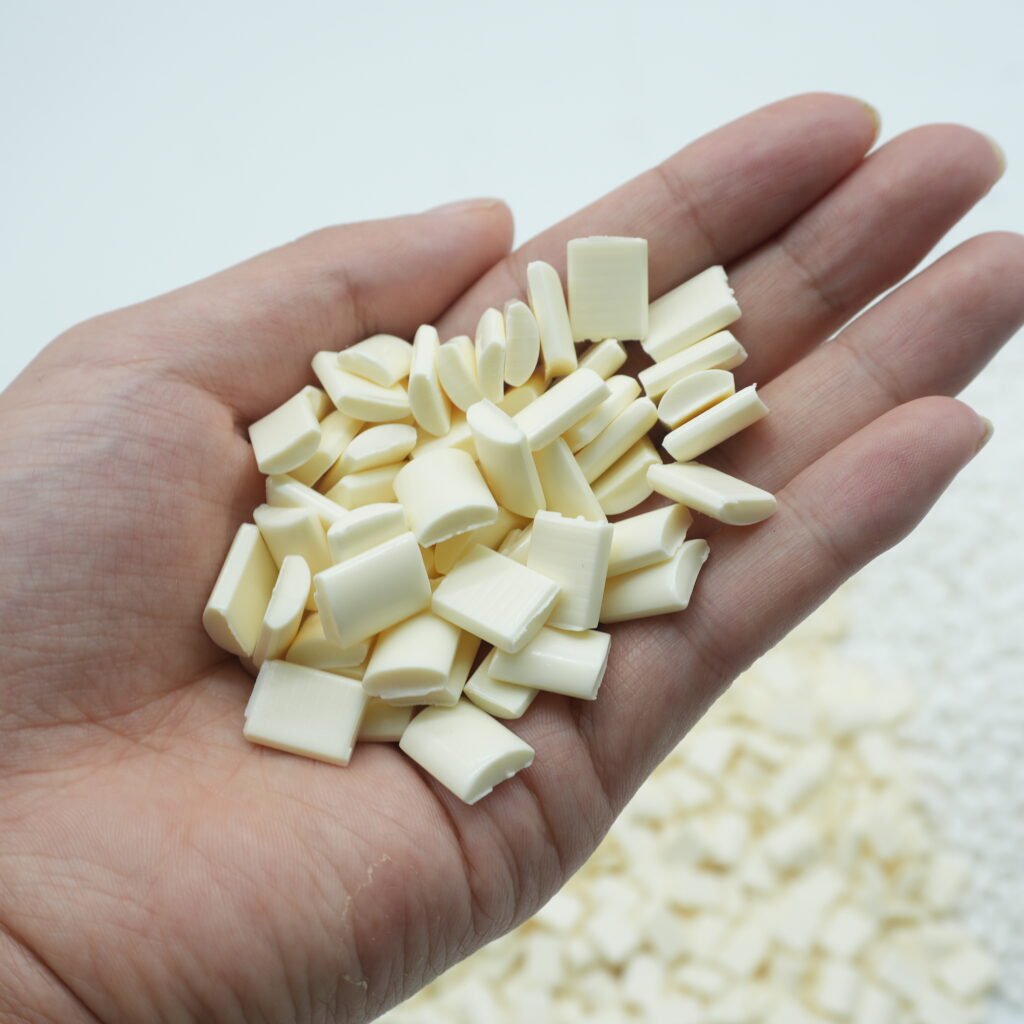
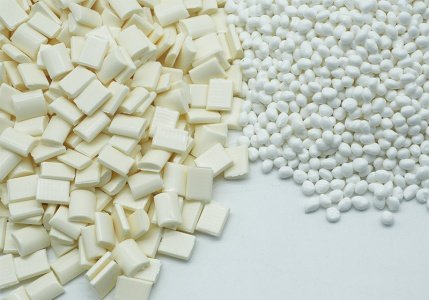
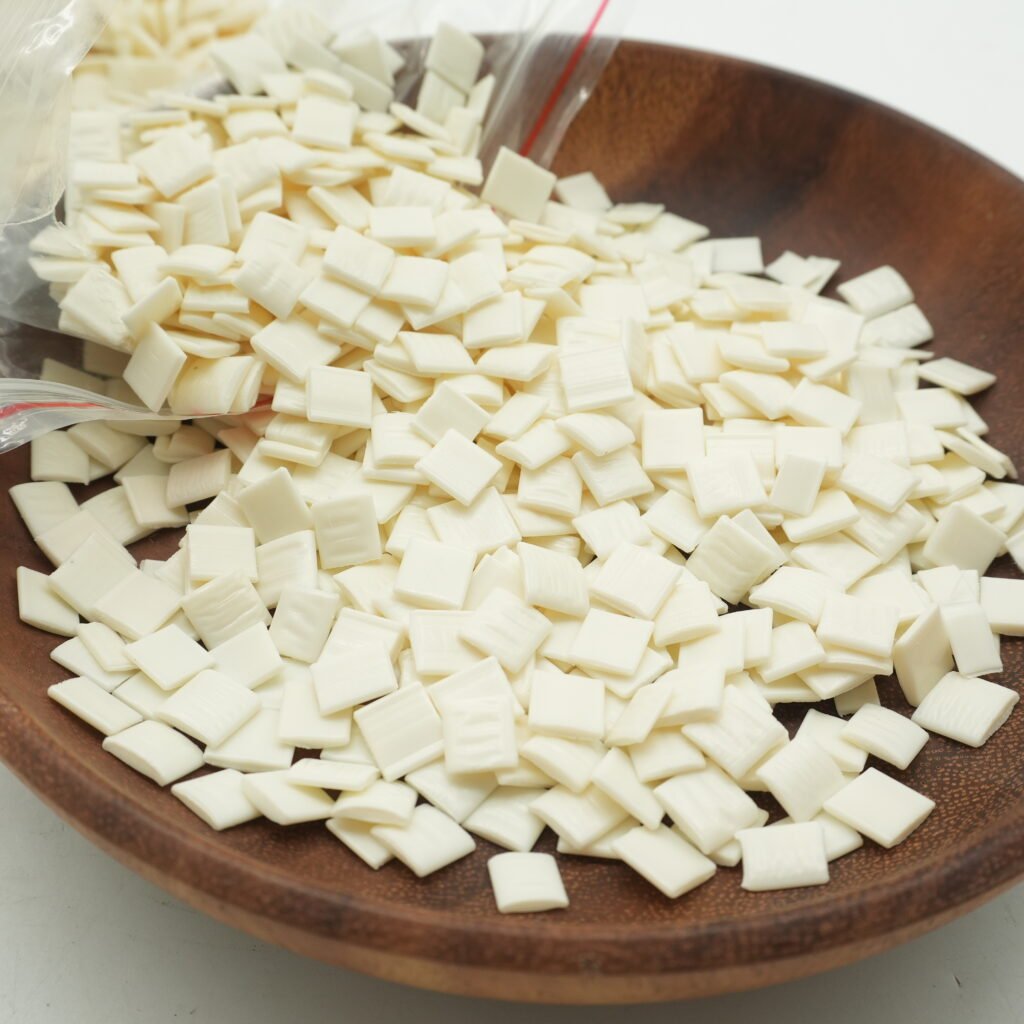
Yes — pellets, slats, and blocks in standard and custom sizes. Form does not affect performance; choose based on your feeding system.
Is your hot melt book binding adhesive suitable for children’s books?
Yes. Our EVA hot melt book binding adhesives are non-toxic, REACH and RoHS compliant. Children’s-book grades with additional certification are available on request.
Source Hot Melt Book Binding Adhesive That Stays Bound
Page loss, spine defects, and cold-weather returns are preventable — with the right hot melt book binding adhesive and the right setup support. We supply consistent, machine-ready binding glue to print shops and binderies across North America, Europe, the Middle East, and Southeast Asia, with technical support from trial through full production.
Send us your machine type, paper stock, block thickness, and line speed. We will recommend the correct grade, ship free samples, and provide application parameters — within one working day.
Contact Us for Samples and Pricing
WhatsApp: +86-15618525178
Email: info@great-adhesive.com

Reviews
There are no reviews yet.