


PUR Adhesive for Industrial Bonding Applications
PUR adhesive – polyurethane reactive adhesive is an adhesive used in industrial bonding applications that requires certain properties of the adhesive, such as adhesion, flexibility, durability and processing performance.
Reactive PUR hot melt adhesives are applied molten and set up as they cool, but are further cured by reaction with moisture. This moisture curing process results in a crosslinked bond that has performance characteristics that are dependent on the formulation and application conditions.
The correct PUR adhesive will depend on the materials being bonded, the application equipment, the working time required, the production speed and the performance that is expected of the finished product.
Great Adhesive offers a variety of PUR hot melt adhesives for various industrial bonding applications, depending on the substrate combination and production process.
- Grade-specific performance: Select viscosity, open time and curing behavior according to your process.
- Application oriented selection: Adhesive selection for the materials, equipment and production conditions.
- Technical evaluation: verify the suitability by product-specific technical data and application testing.
PUR Adhesive Performance and Technical
Specifications
PUR adhesive is not a single universal formulation. Viscosity, working time, initial setting, final curing and resistance properties can differ between grades.
The following ranges are from the current product brief and should be confirmed against the technical data sheet for the specific grade before production.
| Technical parameter | Reference range or specification | What buyers should check |
| Adhesive chemistry | Polyurethane Reactive (PUR) | Confirm that the selected product is a reactive hot melt grade |
| Viscosity | 3,000–16,000 cP | Check the measurement temperature and compatibility with the application equipment |
| Open time | 1–10 minutes | Match the working time to the assembly process and production speed |
| Initial setting or handling time | 15–150 seconds | Confirm the test conditions and the strength needed for subsequent handling |
| Full cure time | 24–72 hours | Confirm the curing conditions and required time before final performance evaluation |
| Hardness (Shore D) | 35–65 for applicable grades | Confirm the relevant grade, cured sample and test method |
| Color | Grade-dependent | Confirm the available color for the selected formulation |
| Application temperature | Grade-dependent | Follow the selected product’s TDS |
| Heat and moisture resistance | Grade-dependent | Verify the required performance against product data or testing |
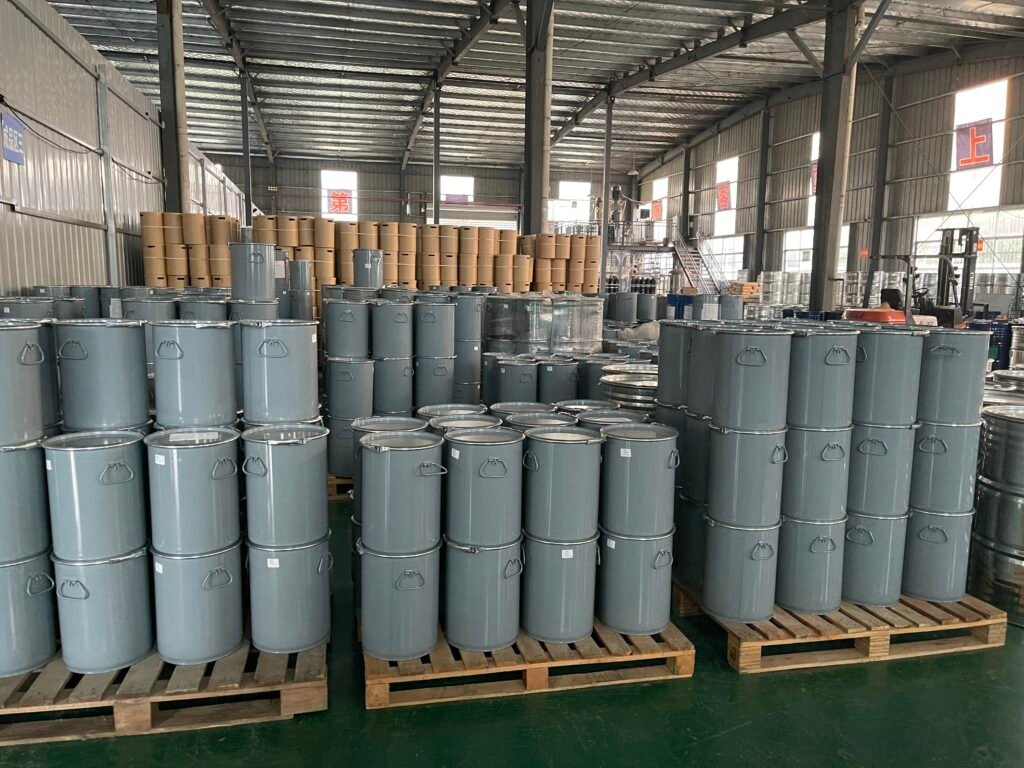
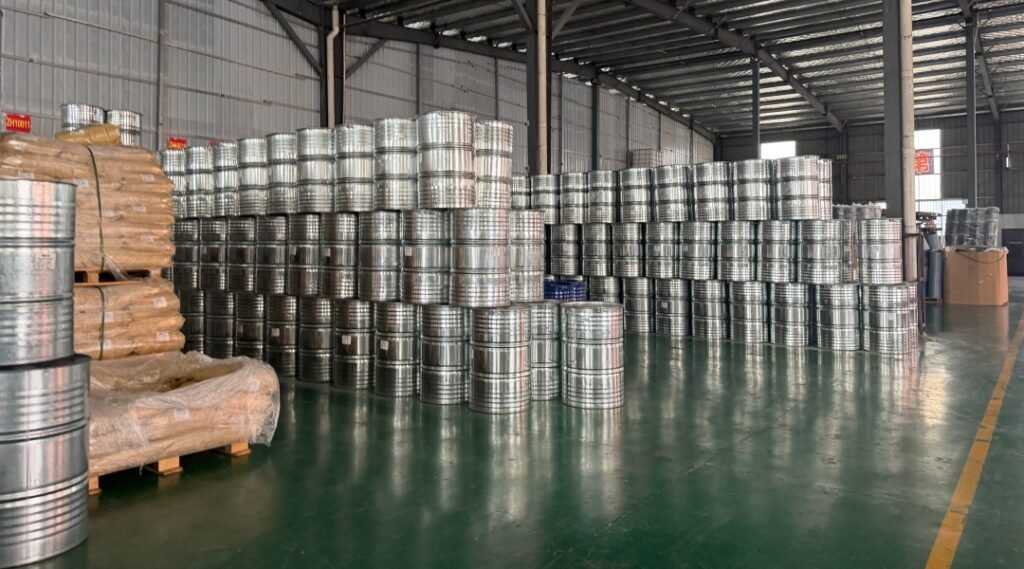
| Packaging | Depends on the selected product and supply format | See the PUR glue page for packaging and supply options |
These values describe a range of potential specifications, not one adhesive that meets every value simultaneously. The viscosity measurement temperature, test method, application temperature and curing conditions should be documented for each grade.
How to Select the Right PUR Adhesive?
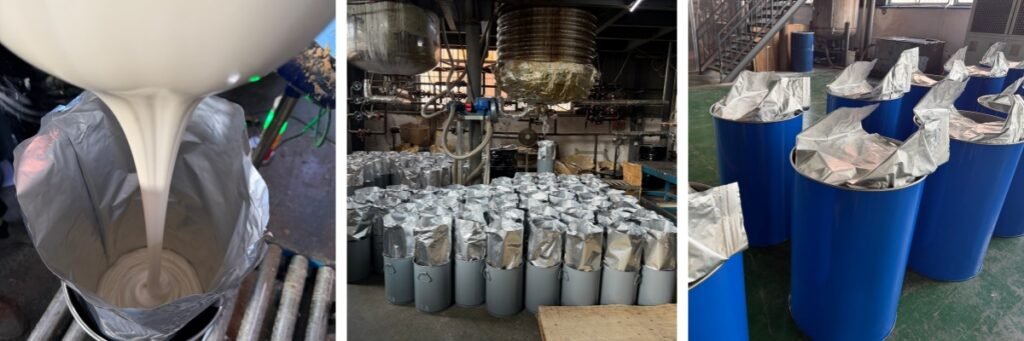
Before comparing products, define the bonding requirement. This helps narrow the choice to formulations that can be evaluated under the right production conditions.
1. Identify the Substrates
Specify both materials being bonded rather than naming only one material.
For example, a bonding application may involve a board and an edge tape, two layers of a laminate, or different materials in an assembled component.
Surface treatment, coating, cleanliness and material compatibility can affect the result. Compatibility should be confirmed for the actual material combination rather than assumed for every material within a broad category.
2. Confirm the Application Equipment
The application system determines important processing requirements, including viscosity, temperature and adhesive delivery.
Provide the equipment type and application method, such as roller coating, extrusion or another compatible hot melt system. The selected PUR grade must work within the equipment manufacturer’s operating requirements.
3. Match Open Time and Setting Behavior to Production Speed
Open time determines how long the adhesive remains workable after application. Initial setting determines how quickly the bonded parts can maintain their position during subsequent processing.
For automated production, the adhesive must provide enough working time for material placement while developing initial strength at the required point in the line.
Do not choose a grade on setting speed alone. The adhesive also needs to provide the required bond quality after full curing.
4. Define the Required Final Performance
State which performance requirements are essential for the finished product:
- Adhesion to the selected substrates
- Flexibility of the cured bond
- Resistance to moisture or humidity
- Resistance to heat or temperature changes
- Durability under expected mechanical stress
- Appearance and glue-line requirements
These requirements help determine which product data and tests are needed before approval.
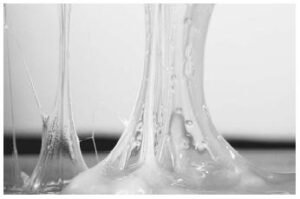
Industrial Applications of PUR Adhesive
PUR adhesives can be formulated for different industrial applications, but the suitable grade depends on the material combination, equipment and required bond performance.
Furniture and Edge Banding
For furniture panels and edge banding, adhesive selection should account for the board material, edge tape, machine speed, glue application conditions and required resistance to heat or moisture.
For machine-specific information, see our guide to edge banding adhesive for automatic machines.
For more specialized requirements, explore fast-curing PUR adhesive or high-temperature PUR adhesive.
Panel and Surface Lamination
For lamination, the adhesive must suit the specific substrate pair and coating process. Viscosity, open time, application method and pressure conditions should be evaluated together.
Sample testing should reproduce the actual materials and production conditions wherever possible.
Packaging and Laminated Materials
Packaging applications may involve different films, papers, foils or composite structures. The adhesive grade must be compatible with the material layers and application equipment.
See our hot melt adhesive applications for packaging for application-specific information.
Bookbinding
Bookbinding has its own requirements for paper compatibility, spine flexibility, application behavior and curing. For this application, refer to our dedicated PUR bookbinding adhesive page rather than selecting a general industrial grade without testing.
Production Process: Precision Meets Innovation
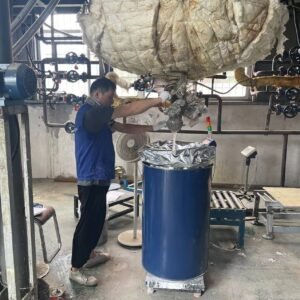
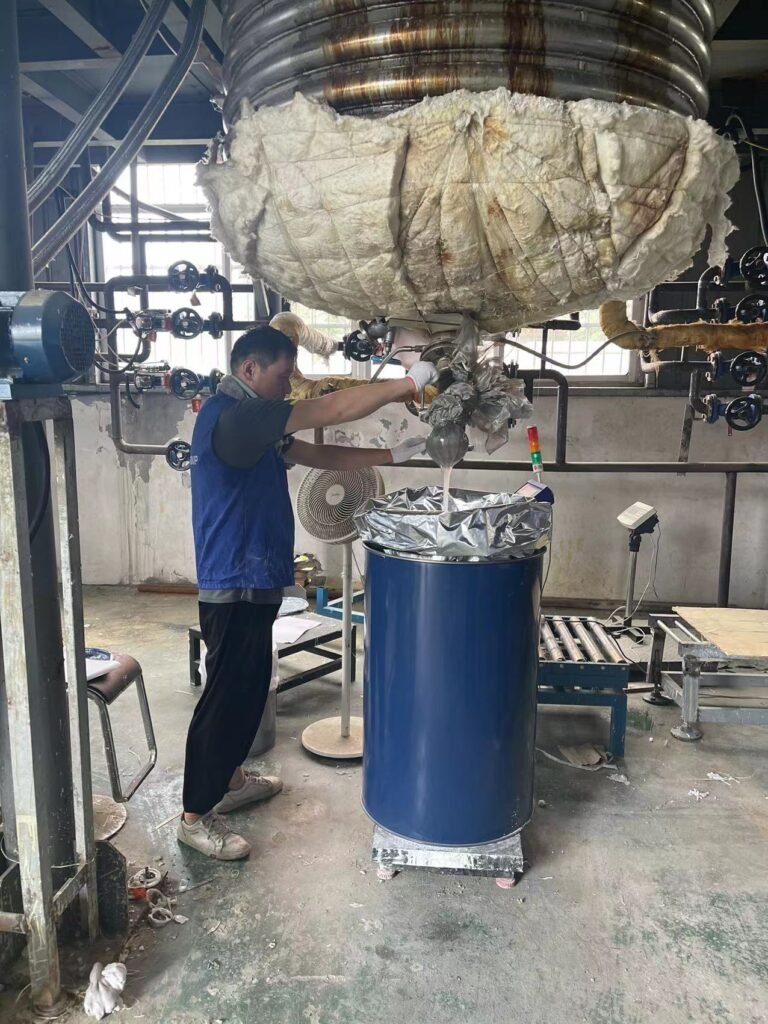
Great-Adhesive’s state-of-the-art manufacturing integrates automation and rigorous QC:
-
Raw Material Synthesis
-
Proprietary polyols and isocyanates are synthesized under controlled conditions to ensure purity and reactivity.
-
-
Pre-Polymerization
-
Di-isocyanates react with polyols to form stable prepolymers, optimized for shelf life (12+ months) and moisture sensitivity.
-
-
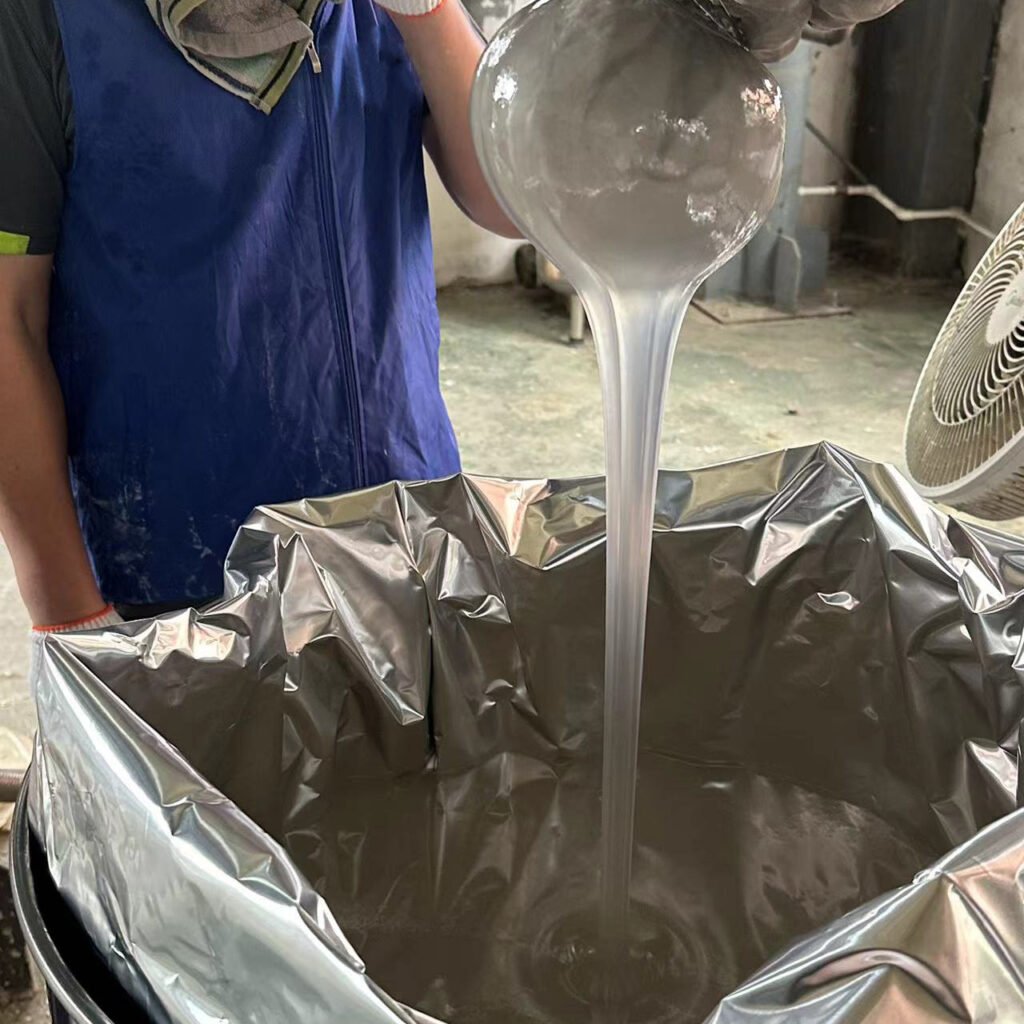
Compounding & Testing
-
Additives (UV stabilizers, flexibilizers) are blended. Each batch undergoes tensile, peel, and humidity resistance tests.
-
-
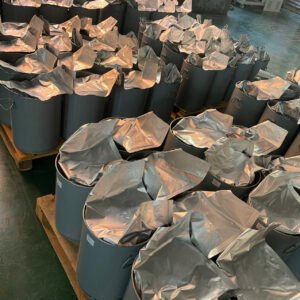
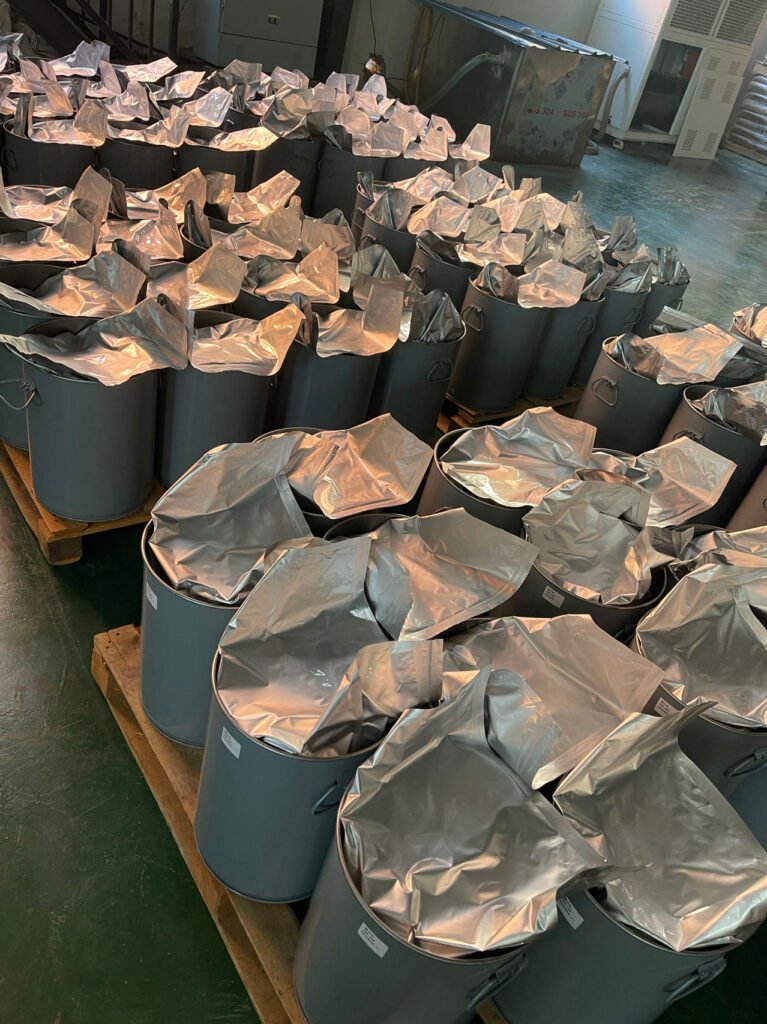
Packaging
-
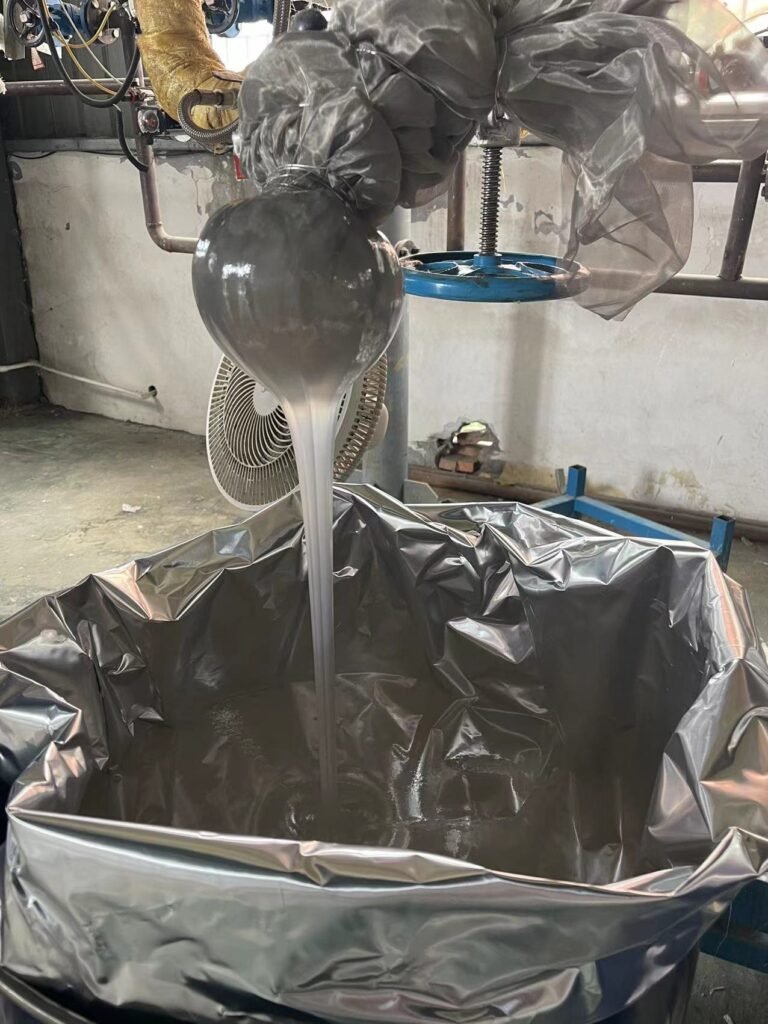
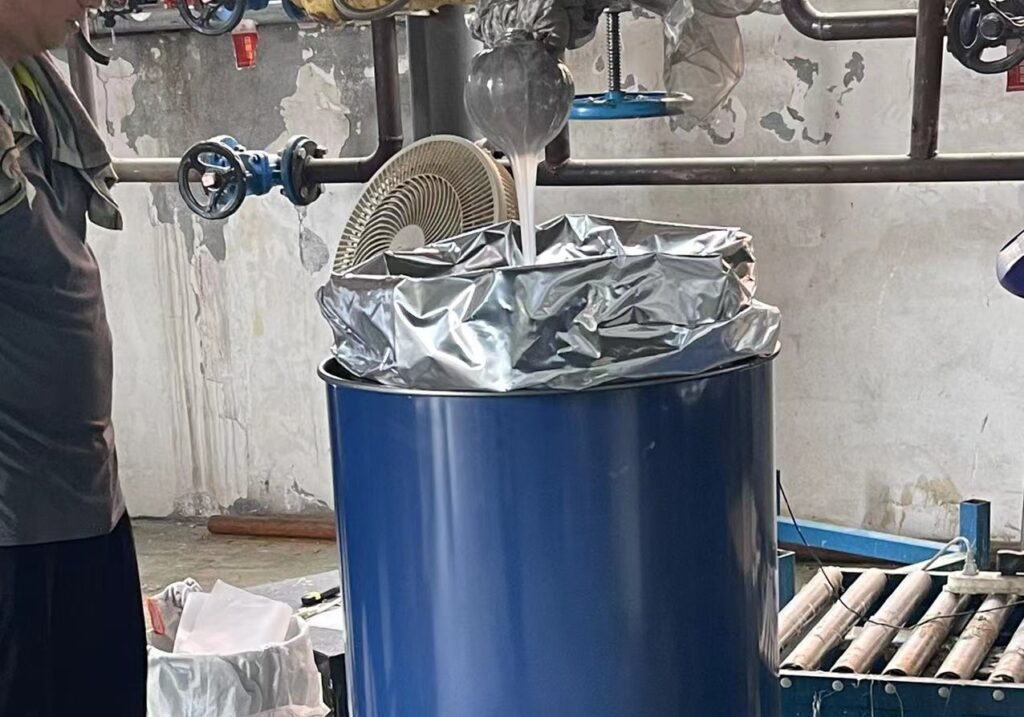
Nitrogen-flushed, moisture-proof packaging preserves adhesive integrity during storage and transit.
-
Frequently Asked Questions
1. How do I choose the right PUR adhesive?
Consider the substrates, application method, production speed, and required bond performance. Confirm suitability with the product TDS and sample testing.
2. What viscosity is suitable for PUR adhesive?
Viscosity depends on the adhesive grade, application temperature, and equipment. Check the TDS for the recommended range.
3. How long does PUR adhesive take to cure?
Full curing typically takes 24–72 hours according to the current product reference. The actual time depends on the grade and curing conditions.
4. Can I request a PUR adhesive sample?
Contact us with your materials and application requirements to confirm sample availability and obtain the relevant technical data.
Request PUR Adhesive Technical Information
To identify a suitable PUR adhesive, send us:
- The two substrates being bonded
- The application method and machine type
- Required open time and production speed
- Application temperature and curing conditions
- Required heat, moisture or mechanical resistance
- Preferred packaging and estimated order quantity
Contact Great Adhesive to request the relevant TDS or discuss a sample trial.
WhatsApp: +86-15618525178
Email: info@great-adhesive.com

Reviews
There are no reviews yet.