
Best Bookbinding Glue: How to Choose the Right Adhesive for Commercial Production
Choosing the best bookbinding glue is not simply about finding the adhesive with the highest bond strength.
For commercial and industrial book production, the best adhesive is the one that matches the paper, binding method, machine, production speed, application conditions, and finished-book requirements.
A glue that works well on standard uncoated paper may not perform the same way on coated paper. An adhesive that works on a slower production line may also require different setting behavior on a high-speed machine.
This makes bookbinding glue selection a production decision rather than simply a product comparison.
What Makes a Bookbinding Glue the Best Choice?
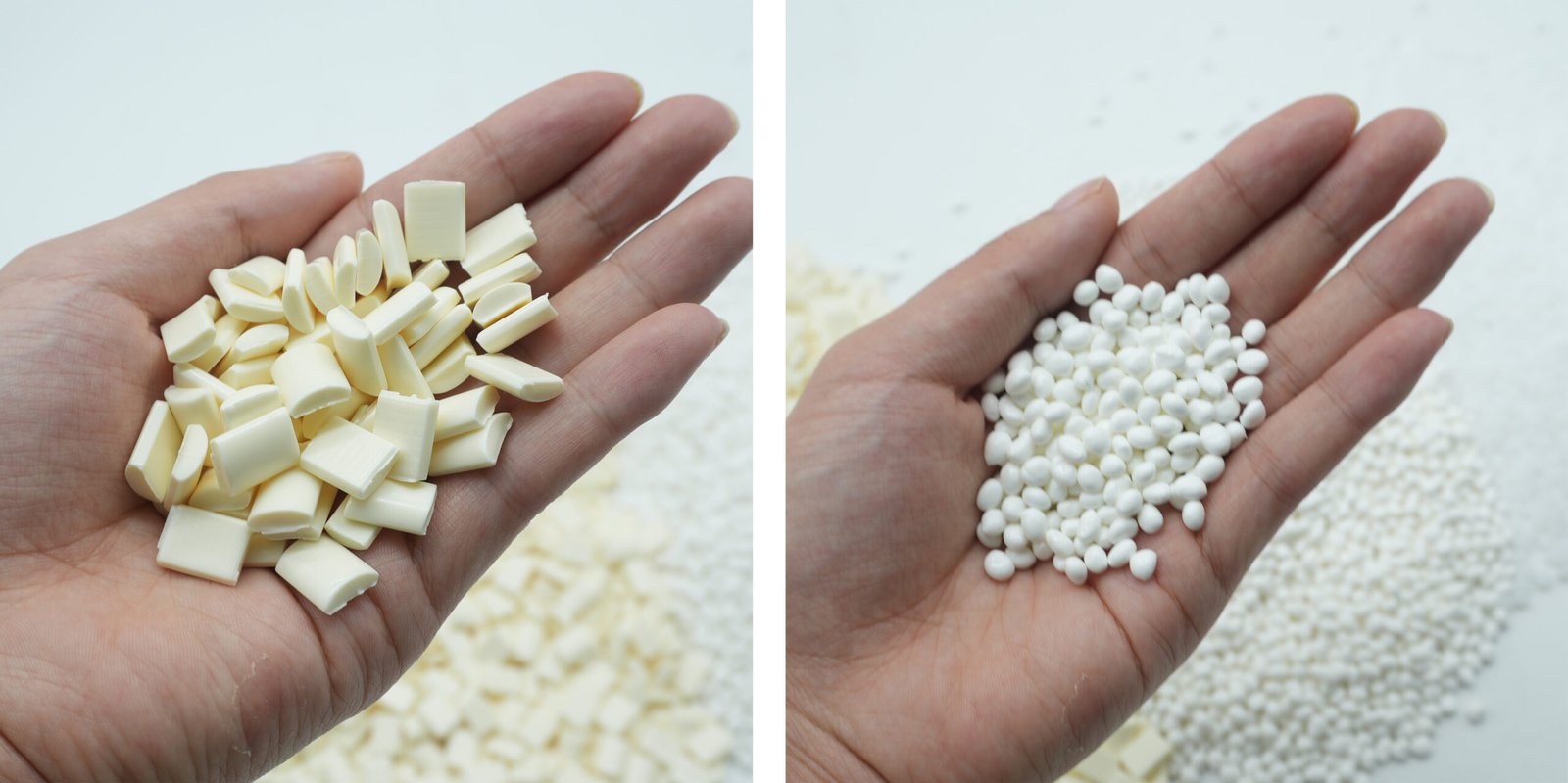
The best bookbinding glue should provide the right balance of bonding performance, processing behavior, machine compatibility, and finished-book quality.
For commercial production, buyers should consider:
- Adhesion to the paper and cover materials
- Flexibility of the finished spine
- Compatibility with the paper surface
- Open time
- Setting or curing behavior
- Viscosity
- Application temperature
- Machine compatibility
- Production speed
- Glue consumption
- Resistance to cracking and repeated bending
- Long-term durability
These factors are connected.
For example, a very strong adhesive is not automatically the best choice if its viscosity does not suit the machine or its working time does not match the production cycle.
Likewise, an adhesive that works well on one paper stock may not be suitable when the paper coating, weight, or finishing changes.
That is why the selection process should start with the production conditions, not the adhesive name.
How to Choose the Right Bookbinding Glue?
1.Start with the Paper
Paper type is one of the first specifications a buyer should provide.
Different paper surfaces can change adhesive wetting, adhesion, penetration, and finished-book flexibility.
Uncoated Paper
For standard uncoated paper, the adhesive should provide consistent wetting and bonding while maintaining suitable flow through the application system.
The technical reference in the original material gives 4000–7000 mPa·s at 170°C as a reference viscosity range for EVA hot melt in certain uncoated-paper applications. This should be treated as an application reference rather than a universal specification.
Coated and Art Paper
Coated paper can present a different bonding surface because of its surface treatment.
When selecting an adhesive for coated paper, buyers should pay particular attention to:
- Surface adhesion
- Wetting
- Flexibility
- Spine durability
- Compatibility with the coating
PUR is frequently considered for coated-paper applications because of its strong and durable bonding characteristics. However, coating type, paper weight, surface finish, and printing conditions can all affect the final result. 粘贴的文本 (1)
Recycled Paper
Recycled paper can have a less uniform fiber structure than conventional paper.
The original technical guidance notes that some recycled-paper applications may require higher initial tack to compensate for uneven fiber conditions. The actual requirement should be confirmed through testing because recycled paper specifications can vary.
Heavy Paper
Heavy paper can change the way the adhesive spreads and sets.
The original material identifies extended setting time as one consideration for paper at or above 200 g/m². The actual requirement depends on the paper construction and adhesive grade.
2.Match the Adhesive to the Binding Method
The second question is how the book is being produced.
Perfect Binding
For perfect binding, adhesive performance needs to match spine preparation and the production cycle.
Important properties include:
- Strong spine adhesion
- Good mechanical anchoring
- Suitable open time
- Controlled setting
- Spine flexibility
- Low stringing
- Stable application during continuous production
EVA is commonly used for conventional perfect binding because of its fast setting behavior and processing efficiency.
PUR can be considered when the finished book requires greater flexibility and durability or when the paper creates a more demanding bonding condition.
Hardcover Binding
Hardcover production may require higher structural bonding performance because the adhesive may need to work with board and cover materials.
The original material gives 13.8–15.6 N/cm² as a reference strength range for the described hardcover application. This should be treated as application-specific rather than a universal requirement for every hardcover construction.
Notebook and Catalog Production
For notebooks and catalogs that are repeatedly opened and flexed, spine flexibility and resistance to cracking become more important.
The original guidance gives 8–12 seconds of open time as a reference for certain notebook and catalog applications, together with low-stringing behavior.
3.Choose the Glue According to the Machine
Even when the paper and binding method are known, adhesive selection is not complete until the application equipment is considered.
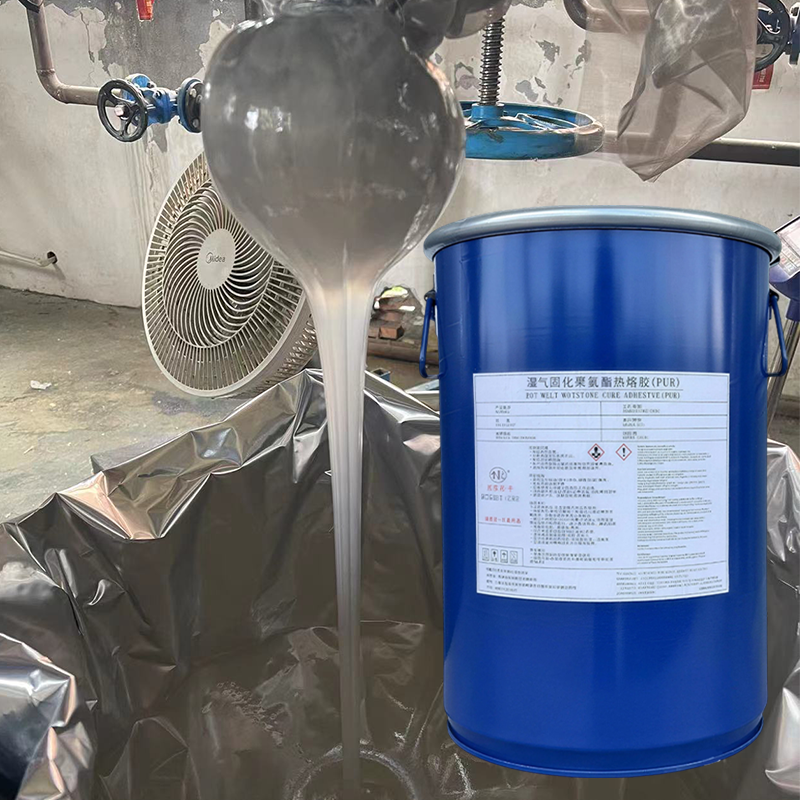
Roller Application
Roller systems require an adhesive with suitable flow and stable viscosity.
The reference material gives:
4000–7000 mPa·s at 170°C and a coating thickness of approximately:
0.15–0.30 mm for the described application.
Nozzle Application
Nozzle systems require controlled flow through the application equipment.
The original reference gives:
2000–4000 mPa·s at 170°C as a starting range for the described application.
Manual or Pot Application
Manual or pot-based production usually provides more working time than a fully automated production line.
The original guidance gives 15–25 seconds of open time as a reference for this type of application.
The important point is that viscosity should never be considered separately from the machine, application temperature, and application method.
4.Match the Adhesive to Production Speed
Production speed is another major factor when choosing bookbinding glue.As the line becomes faster, the adhesive has less time to remain workable and develop sufficient initial strength. The original production guidance provides these reference categories:
| Production Speed | What to Look For |
|---|---|
| Up to 2,000 books/hour | Standard setting behavior |
| 2,000–6,000 books/hour | Fast setting and low stringing |
| 6,000+ books/hour | Low residue and stable viscosity |
For high-speed lines, setting speed is only one consideration. Stringing, viscosity stability, glue consumption, and application consistency can also affect production efficiency. This is why the strongest adhesive is not necessarily the best adhesive for a production line. The adhesive needs to keep pace with the machine.
EVA or PUR: Which Is the Better Choice?
Once the paper, machine, and production requirements are clear, the next question is whether EVA or PUR is more suitable.
EVA Bookbinding Glue
EVA is often considered when the production priorities include:
- Fast setting
- Efficient processing
- Standard paper stocks
- High-volume production
- Cost control
- Conventional perfect binding
EVA is widely used for paperback books, magazines, catalogs, manuals, and other commercial applications.
PUR Bookbinding Glue
PUR is often considered when the production requires:
- Higher flexibility
- Strong adhesion
- Improved durability
- Better performance on coated paper
- Long-lasting spine performance
PUR initially sets through cooling and then continues to cure through a moisture reaction, giving it different final bonding characteristics from conventional thermoplastic hot melt adhesives.
What Technical Parameters Should B2B Buyers Check?
Once the application is defined, buyers should compare the technical data of specific adhesive grades.
Viscosity
Viscosity determines how the glue flows through the application system.
Check viscosity together with:
- Application method
- Operating temperature
- Machine type
- Coating method
A viscosity that is suitable for a roller system may not be appropriate for a nozzle system.
Open Time
Open time determines how long the adhesive remains workable after application.
Reference values from the original material include:
- Perfect binding: 10–15 seconds
- Notebook and catalog applications: 8–12 seconds
- Manual or pot application: 15–25 seconds
The correct value depends on the production cycle and the time between adhesive application and cover attachment.
Setting Time
Setting time needs to match the production speed.
The adhesive must develop enough initial strength for efficient production while still providing the flexibility required by the finished book.
Application Temperature
The original technical reference gives:
- Standard hot melt operation: 160–180°C
- Low-temperature grades: 125–140°C
Actual operating conditions should follow the adhesive manufacturer’s TDS. Temperature affects viscosity, coating behavior, and bonding consistency.
How to Know Whether a Bookbinding Glue Is Really Right for You?

Technical data is only the first step.Before moving to bulk production, the adhesive should be tested under the actual production conditions.
Step 1: Test the Actual Paper
Use the paper that will be used in production, including its coating and finishing condition.
Step 2: Test the Actual Machine
Run the adhesive through the intended application system and check:
- Flow
- Viscosity stability
- Glue coverage
- Stringing
- Temperature stability
Step 3: Evaluate the Finished Spine
Check:
- Page pull strength
- Spine flexibility
- Cover adhesion
- Opening resistance
- Appearance
Step 4: Check Production Efficiency
Also evaluate:
- Glue consumption
- Machine cleanliness
- Setting speed
- Production stability
- Residue
Testing helps determine whether the adhesive works not only in theory, but in the actual production environment.
FAQ
Conclusion
The secret to finding the best bookbinding glue is to seek beyond the adhesive qualities. The right solution should deliver the right balance of adhesion, flexibility, setting, machine compatibility, production efficiency and durability.
EVA is an effective and cost-saving solution for numerous commercial bookbinding applications, and PUR offers greater flexibility and durability for challenging applications.
Manufacturers should test samples prior to bulk order with their paper and machine conditions. This supports the bond strength, flexibility, stability of application, and quality of the finished book.
Explore Our Bookbinding Hot Melt Adhesives
Looking for the best bookbinding glue for commercial production?
Explore our specialized solutions:
EVA Hot Melt Adhesive for Bookbinding
An efficient commercial binding solution for perfect binding, paperback books, magazines, catalogs and other high volume applications.
PUR Hot Melt Adhesive for Bookbinding
Suitable for applications where high bond strength, high flexibility and good adhesion to difficult substrates like coated paper is required.
Call our technical department for the best bookbinding glue for your bookbinding project. We can review your paper type, binding machine, production speed and the adhesive you need, and suggest an appropriate solution as well as provide support for sample testing prior to bulk production.
Email: info@great-adhesive.com
Phone:+86-15618525178
Leave a Reply