

Why Book Binding Glue Pages Falling Out Happens After Binding?
Anyone who has had complaints of book binding glue pages falling out knows how critical the problem can be for an industrial book production, whether for material loss, damaged customer relations or because of reprints.
This problem is rarely due to the binding machine or operator error, but to the quality and suitability of the bookbinding glue employed for bookbinding.
The bonding strength can be reduced with time if the adhesive is formulated incorrectly for the type of paper, the surface(s) to be bonded, or the production conditions. This can result directly in book binding glue pages falling out after the book is bound.
In the hardcover or softcover book manufacturing process, it is crucial to understand the reasons behind the falling out of pages in book binding glue so as to enhance the production stability, reduce defect rate and ensure the long-term durability.
This guide explains the main technical reasons behind book binding glue pages falling out and how to prevent them in industrial production conditions.
Common Signs That Your Book Binding Glue Is Failing
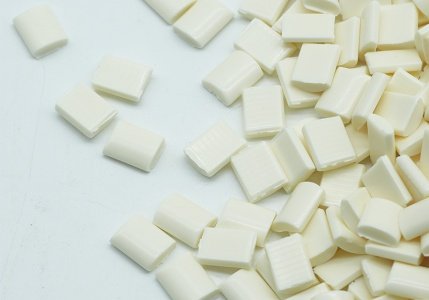
Before diagnosing the root cause of book binding glue pages falling out, it is important to identify the specific type of failure. Not all page detachment issues appear in the same way, and the pattern often directly reflects problems with the bookbinding adhesive system.
Whole-page detachment
Whole-page detachment is one of the most visible signs of failure, where pages pull away cleanly from the spine. This is usually caused by lack of adhesion of the book binding glue to the paper substrate.
This problem generally occurs when the EVA bookbinding adhesive is used with a coated or laminated paper stock, where the penetration is small, and the bonding force is not strong enough.
Spine cracking
Spine cracking is when the spine of the book splits open, which is normally accompanied with a brittle opening feel.
This is typically a sign that the hot melt adhesive has become too rigid due to too many factors, such as inadequate thermal stability, using the wrong viscosity or poor formulation of the bookbinding glue system.
Partial delamination
Partial delamination is when pages are still bound in the spine, but start to rise from the cover. This typically indicates an application problem or discrepancy in production open times.
When the EVA or PUR adhesive skins over too fast before pressing, the bond will be inconsistent which will create structural weakness over time.
Recognizing these early warning signs can significantly reduce the risk of book binding glue pages falling out during mass production. In the event of any of these symptoms during testing of samples, the adhesive system needs to be re-evaluated before moving into production of industrial size runs.
A switch to another more stable hot melt adhesive for bookbinding, or a change in the formulation of the EVA/PUR depending on the paper type and machine conditions, can often bring the end of these failure patterns.
Why Book Binding Glue Causes Pages to Fall Out?
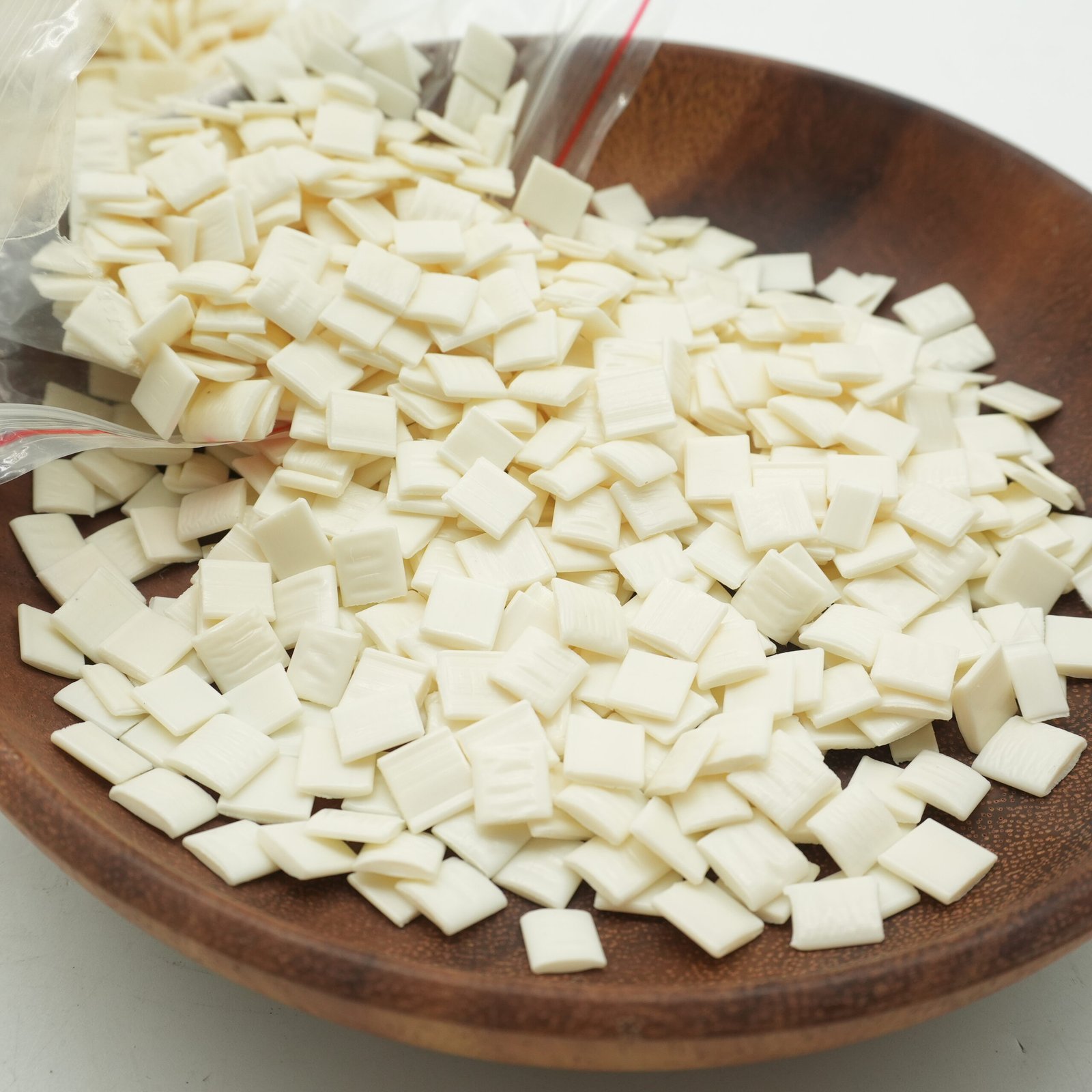
Industrial production environments can lead to book binding glue pages falling out for a few technical reasons. Failure modes are directly related to the following areas: adhesion, paper compatibility, and processing conditions.
Manufacturers can choose the appropriate bookbinding adhesive system and enhance the stability of the books based on these factors.
Insufficient or improper viscosity
The viscosity is one of the most important characteristics of book binding glue. Excessively thin adhesives will not penetrate and adhere to the fibers of paper at application temperature. If it is too thick, it will fail to flow into spine gaps evenly.
In industrial bookbinding systems, viscosity must be carefully matched with machine speed, paper thickness, and production line conditions. Mismatched viscosity is a leading cause of weak bonding and later page detachment.
Poor thermal stability under real storage conditions
A low-quality hot melt adhesive may soften or become brittle outside its optimal temperature range. The temperature difference is quite large for books kept in a warehouse or moved between different climates.
If the book binding glue has a low softening point (for example below 75°C), it may reactivate in high-temperature environments, leading to internal movement and eventual book binding glue pages falling out after binding.
Incompatibility with coated paper substrates
Coated papers such as gloss art paper and matte laminated stocks have very low surface porosity. This can make regular EVA bookbinding glue difficult to penetrate and strong mechanically.
Failure to match the adhesion when using the wrong adhesive for the substrate leads to low bonding performance particularly in hardcover and high-end print jobs.
Incorrect open time during production
Free time is an important factor in binding quality. If the adhesive skins over too quickly, pages may not bond properly before compression. If the open time is too long, the book may exit the clamp system before full adhesion is achieved.
In both cases, the bonding is weak and can give rise to pages that fall out weeks or months after printing.
Aging and long-term adhesive degradation
Some less expensive bookbinding glue can become less cohesive and flexible as time goes by. This degradation is not always apparent upon production, and therefore may seem to be stable in some books when they are first produced but fail after storage.
This type of failure is a frequent occurrence in book binding glue pages falling out under real production conditions.
For industrial bookbinding it is important to choose a hot melt adhesive that is stable, for example EVA or PUR-based hot melt adhesives with controlled viscosity and high thermal stability to prevent these failure modes and guarantee long term durability.
How to Choose the Right Book Binding Glue?
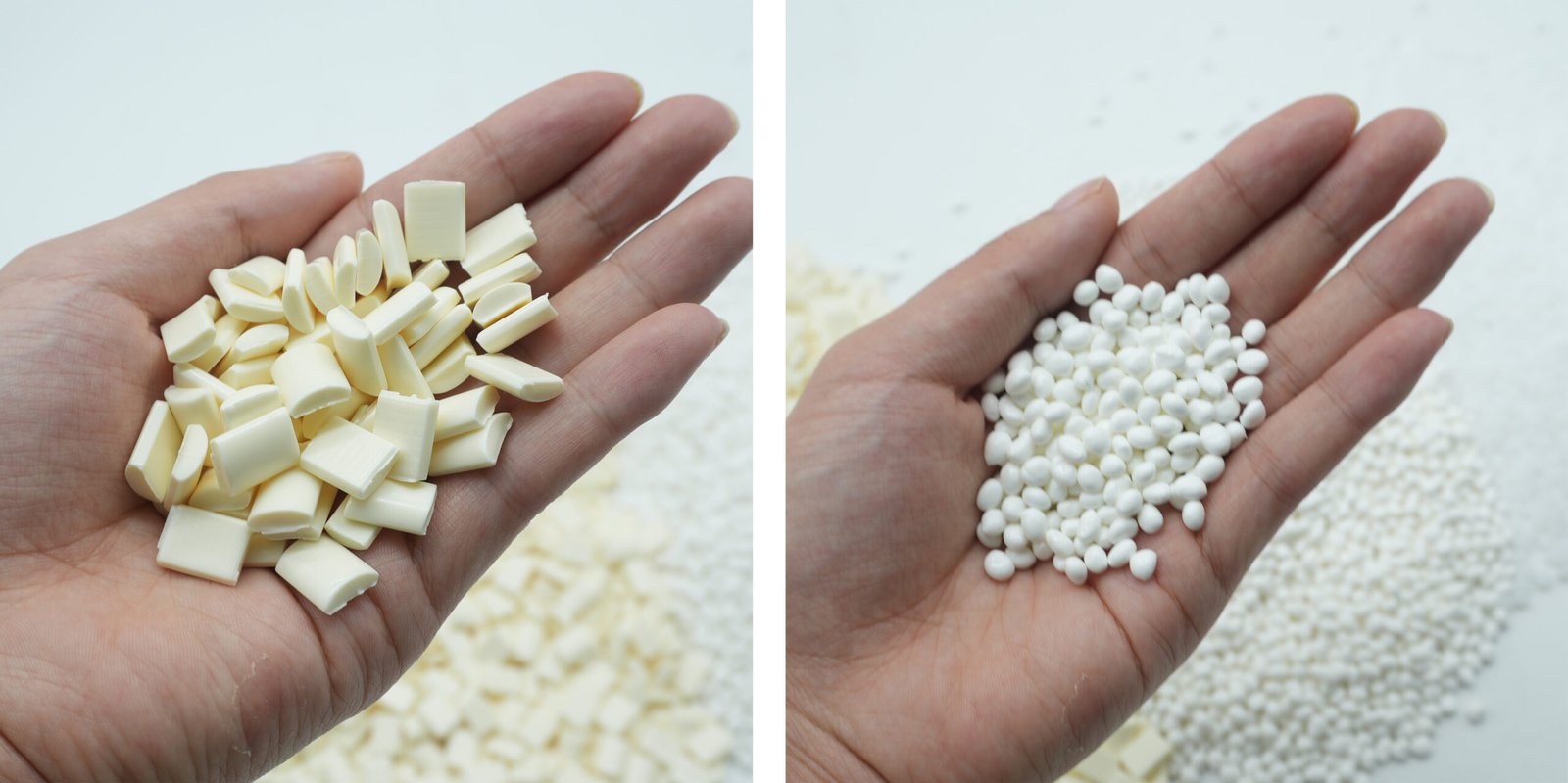
If you want to avoid book binding glue pages falling out in making books, it is crucial that you choose the right book binding glue. For industrial bookbinding, the important criteria are physical and thermal properties of the adhesive and not the price.
1. Softening point (thermal resistance)
Softening point is an indicator of the performance of bookbinding adhesive when exposed to heat during storage, shipping, and use.
The minimum softening point recommended to most industrial applications is about 80°C. The higher the value, the more resistant to thermal reappearance, thus helping to preserve the pages from moving or falling off in warm conditions.
2. Viscosity at operating temperature
A major factor to achieve stable bonding performance is viscosity. The temperature for book binding operations is typically around 140°C and the glue should flow evenly, avoiding running and bridging, at these temperatures.
Too high or too low viscosity can cause poor structure of the spine, uneven coating or fiber penetration.
3. Open time compatibility
Open time must be matched precisely with production line speed.High-speed automated lines require shorter open time adhesives, while slower or semi-manual operations benefit from longer open time to allow proper positioning before bonding sets.
Mismatch in open time is one of the hidden causes of book binding glue pages falling out in mass production environments.
4. Base material selection: EVA vs PUR
The properties of the adhesive base material have a direct influence on the properties.
For general use, EVA glue for binding books is used because it is economical, quick to set and will bond well on uncoated paper.
PUR bookbinding glue has excellent resistance to coated or laminated paper stocks, durability, flexibility and adhesion. Usually utilized in top quality hardcover books and challenging industrial applications.
Summary
The selection of the right bookbinding glue is not a matter of choice of one “best” glue but a choice of the properties of the glue to match the type of paper, machine conditions and production speed.
How to Choose a Reliable Book Binding Glue Supplier?
Even the best book binding glue can lead to production failures such as book binding glue pages falling out if it comes from an unreliable supplier. In industrial use, the ability of suppliers can be as critical as the formulation of the adhesive.
1. Certifications and compliance
Preferably, a qualified supplier should have international certifications like ISO, CE or CARB.
These certifications assure that the production process of adhesive systems for bookbinding are safe, environmentally friendly and meets consistent quality standards, particularly in export printing.
2. Batch consistency and production stability
Batch to batch consistency is one of the most important factors in reliability.
Very slight change in viscosity or softening point can cause book binding glue pages falling out in large production runs. A good supplier will have more than 99% stability in several production batches.
3. R&D and formulation capability
Good formulation skills allow the supplier to deal with more difficult situations, including coated paper bonding, the demands of a high-speed production line, and a temperature-sensitive environment.
Long-term hot melt bookbinding adhesive suppliers are more likely to offer stability and application specific solutions, as opposed to giving generic solutions.
4. Technical support and troubleshooting capability
A good supplier can not only supply the glue for bookbinding, but also can assist the production optimization.
Failure to bond can be caused by factors such as temperature, substrate, viscosity and/or machine settings; when they occur, the supplier should be able to immediately identify the issue and offer practical solutions.
5. Sample testing and validation
The confidence of suppliers is reflected in a transparent sample policy.
Testing samples enable manufacturers to test glue performance in an actual production environment before placing a mass order.
An effective partner can help minimise production risks, ensure consistency, and avoid issues such as book binding glue pages falling out during mass production.
The Right Book Binding Glue Prevents Production Failure
Book binding glue pages falling out is not an unavoidable production issue—it is a material selection problem that can be solved through proper adhesive engineering and process control.
By understanding why bookbinding glue fails, matching adhesive properties to paper type and machine conditions, and working with a technically capable supplier, manufacturers can significantly reduce or eliminate page detachment in industrial production.
Conclusion
In most cases, binding failure is not caused by equipment, but by mismatched adhesive performance in real production environments.
Selecting the right book binding glue — whether EVA for standard applications or PUR for coated and high-durability materials — is essential for long-term stability.
Contact for Technical Support & Samples
Adhesive (Shanghaihttps://wa.me/+8615618525178) Co. Ltd is a technical consultation and sample testing service provider of adhesive solution, if you are facing “book binding glue pages falling out” issue in your production line, you can get technical consultation or sample testing services from our company, and we will help you to find the most appropriate adhesive solution for your application.
Our engineering team can assist with:
- adhesive selection based on paper type
- viscosity and temperature optimization
- production line troubleshooting
- EVA and PUR formulation recommendations
Samples are available for free testing prior to mass production to assure complete compatibility with your binding system.
Leave a Reply