
Bookbinding Adhesive
Discover EVA and PUR bookbinding adhesive solutions for a wide range of printing, publishing, and binding applications
What Is Bookbinding Adhesive?
Bookbinding adhesive is a special type of adhesive that is used to bind pages, signatures and covers in bookbinding. With the advancement of modern printing technology, adhesives are becoming an important part of the production process to guarantee the quality, appearance and durability of the printed products.
Whether it is a paperback novel, a school textbook or a high-quality catalog or hardcover book, the proper Bookbinding glue can ensure that the spine remains intact and books open easily without pages falling off or cracking.
Hot melt Bookbinding glue technologies are the mainstay of the printing industry today, due to their speed of production, ability to bond a wide variety of paper stocks and reliability. Generally, manufacturers select between EVA bookbinding adhesive and PUR bookbinding adhesive, depending upon the application needs, and each has its own unique benefits for various book binding processes.
In addition to enhancing the physical durability of a publication, a high quality Bookbinding glue also helps to improve production efficiency by reducing machine down times, waste of adhesive and consistent performance during long production runs.
From textbooks to magazines, catalogs to commercial brochures, and digital print-on-demand books, choosing the right bookbinding adhesive is crucial for ensuring professional binding and durability.
Applications
The printing and publishing industry makes extensive use of bookbinding adhesive to hold pages, signatures, endpapers and covers together in various bound items. The binding structure varies with the type of publication, so bookbinding glue is a necessary material in various production processes.

Paperback Books
One of the biggest uses of bookbinding glue is in the paperback book industry. The books are usually bound using perfect binding methods and are commonly used in novels, education, reference books, and commercial books.

Hardcover Books
Bookbinding adhesive is needed for hardcover publications in the following processes: Spine preparation, Endpaper attachment, Cover assembly. Typical products are academic books, high-quality editions, children’s books, and archival publications.

Magazines and Periodicals
In magazine production, where many magazines are produced on a regular basis, bookbinding adhesive is often used. Stable binding systems are used for monthly magazines, industry journals and subscription publications.
Product Catalogs and Brochures
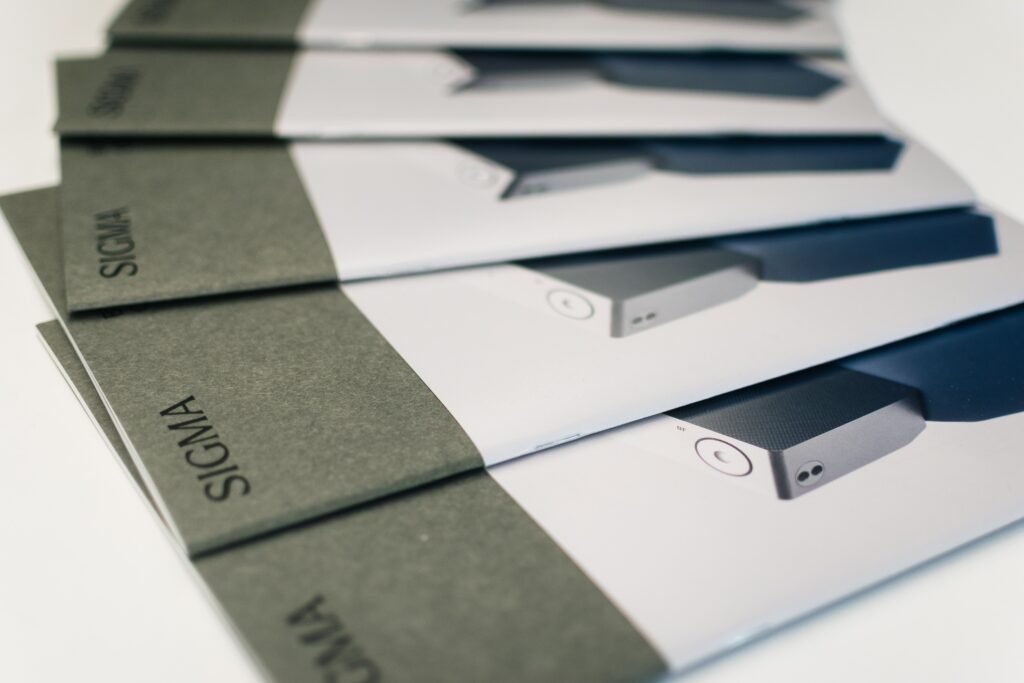
Commercial printers use hot melt bookbinding glue for product catalogs, company profiles, promotional brochures and marketing materials. These publications are widely circulated in retail, manufacturing and business-to-business environments.

Educational Materials
In schools, universities and training centres, textbooks, training manuals, workbooks and instructional materials need to be bound in a reliable way because they are handled time and again.
Print-on-Demand Publications
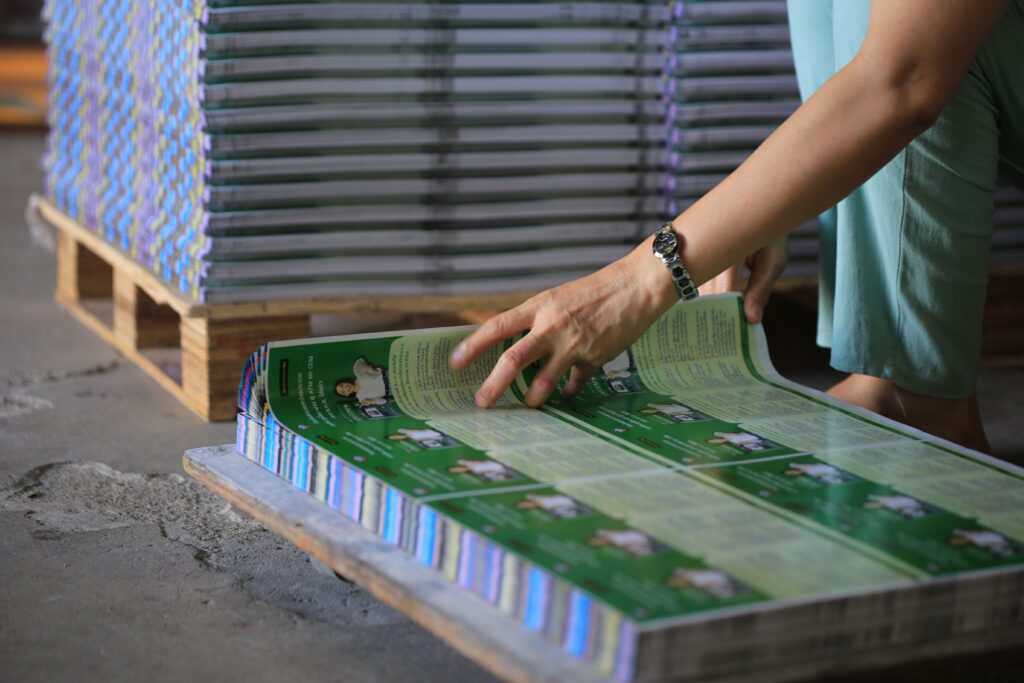
Digital printing has boosted the demand for bookbinding glue in short and customized printing tasks. One of the growing application areas is print-on-demand books, self-publishing projects and personalised publications.
Types of Bookbinding Adhesives
The selection of adhesive technology depends on various factors, such as binding processes, paper stocks, and production needs. There are several different categories of bookbinding adhesives, and knowing about them can help the publisher, printer and bindery operator choose the right adhesive for their manufacturing needs.
EVA Bookbinding Adhesive
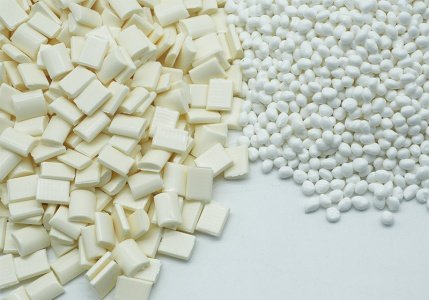
One of the most common materials used in the bookbinding industry is EVA (Ethylene Vinyl Acetate) adhesive. It is used widely in general commercial printing, educational publishing, paperback books, catalogs and magazines.
EVA bookbinding adhesive is a common adhesive for many printing plants with conventional perfect binding lines because of its wide range of usage.
PUR Bookbinding Adhesive
PUR adhesive (Polyurethane Reactive) is generally employed when bonding strength is needed or when the adhesive needs to bond to difficult substrates. It is used in high quality publishing projects, digitally printed books, coated paper applications and high quality commercial printing.
PUR bookbinding adhesive is more and more favored in the modern printing environment because the printing materials are constantly changing.
Spine Adhesives
Spine adhesives are used exclusively on the spine of the book when the book is bound. They are used to hold pages and signatures in place and to keep the finished book together.
For production and publication requirements, both EVA and PUR technologies can be used as spine adhesives.
Side Glue Adhesives
Side glue adhesives are used to glue the edges of book blocks together to enhance page retention and binding stability. They are often employed with spine adhesives in many perfect bindings.
What Defines a High-Quality Bookbinding Adhesive?
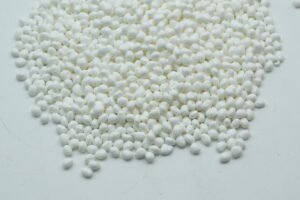
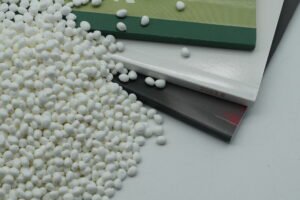
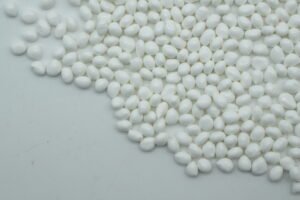
For industrial book production, the quality of the bookbinding adhesive is not judged by general descriptions, but by performance under actual production conditions. The adhesive properties during application, setting and long-term use are set with strict demands on different printing lines, paper types and binding speeds.
Stable Performance During Continuous Production
The properties of Bookbinding glue, such as viscosity and flow, should remain constant over extended production runs. In fast binding operations, minor instability can cause irregular glue application, spine problems or production delays.The machine operates efficiently and smoothly, even with high volumes of printing.
Compatibility with Different Paper Types
Today, various substrates are used in publications, such as coated paper, uncoated paper, recycled paper and digitally printed sheets. The bookbinder’s glue should be able to bind these materials and not have to be reformulated often for this purpose.It is particularly crucial for print shops that receive a mix of production orders.
Controlled Setting and Cooling Behavior
The setting time of bookbinding adhesive directly affects production efficiency and binding quality. Too fast set time can lead to loss of bond strength, too slow set time can lead to misalignment or handling problems.A well-balanced thermal behavior enables a smooth transition between the application stage and pressing and cooling stage.
Strong Spine Integrity After Curing
The cured adhesive should be structurally sound after repeated bending and opening cycles. This means that the pages stay in place even after a lot of use of the finished publication.This is especially critical for textbooks, catalogs and often used printed materials.
Clean Machine Operation
For industrial binding equipment, the adhesive must have low residue, low stringing and low nozzle clogging. Good cleaning practices will help to minimise maintenance frequency and ensure production remains stable over time.This also helps to reduce downtime and boost operational efficiency.
Adaptability to Production Conditions
The operating speed of the machine, humidity and temperature may be different in various production environments. A good bookbinding glue should be flexible enough to adjust to these changes without needing to be adjusted or recalibrated on a regular basis.This versatility is crucial for global print operations that cater to various markets.
These technical properties can be used to choose the right bookbinding adhesive to achieve stable production performance, consistent product quality, and efficient manufacturing processes. Our engineering team can make specific recommendations for your production environment for certain technical requirements.
How to Choose the Right Bookbinding Adhesive?
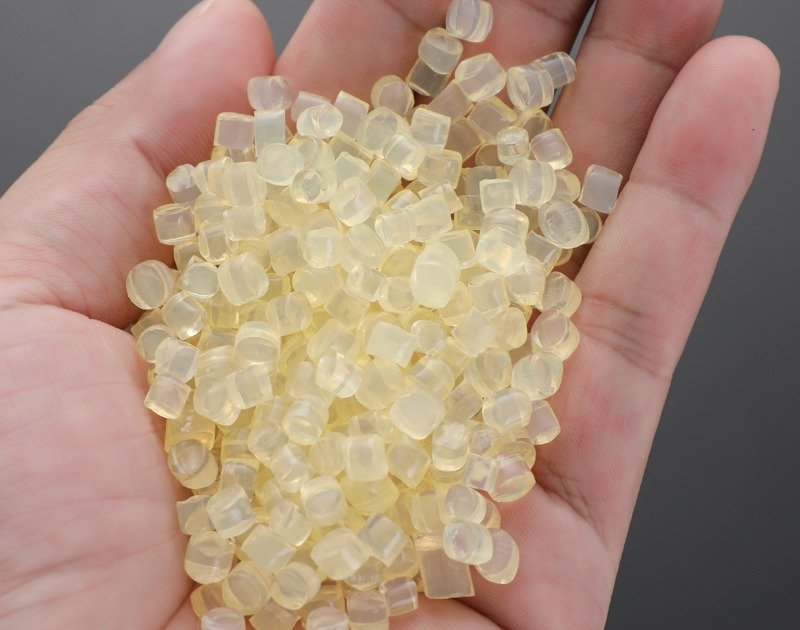
Choosing the right bookbinding adhesive is more than just EVA or PUR technology. Characteristics such as the paper properties, the binding method, the production speed and the end-use requirements can influence the adhesive performance and the quality of the finished publication.
Consider the Type of Publication
The requirements for the binding process vary with the different publications.
For example:
- Educational textbooks are used on a regular basis
- Commercial catalogs may need to be appealing and have good page hold
- High quality hardcover books might need greater durability and lifespan
Knowing what the finished product will be used for is frequently the first step in choosing the right bookbinding adhesive.
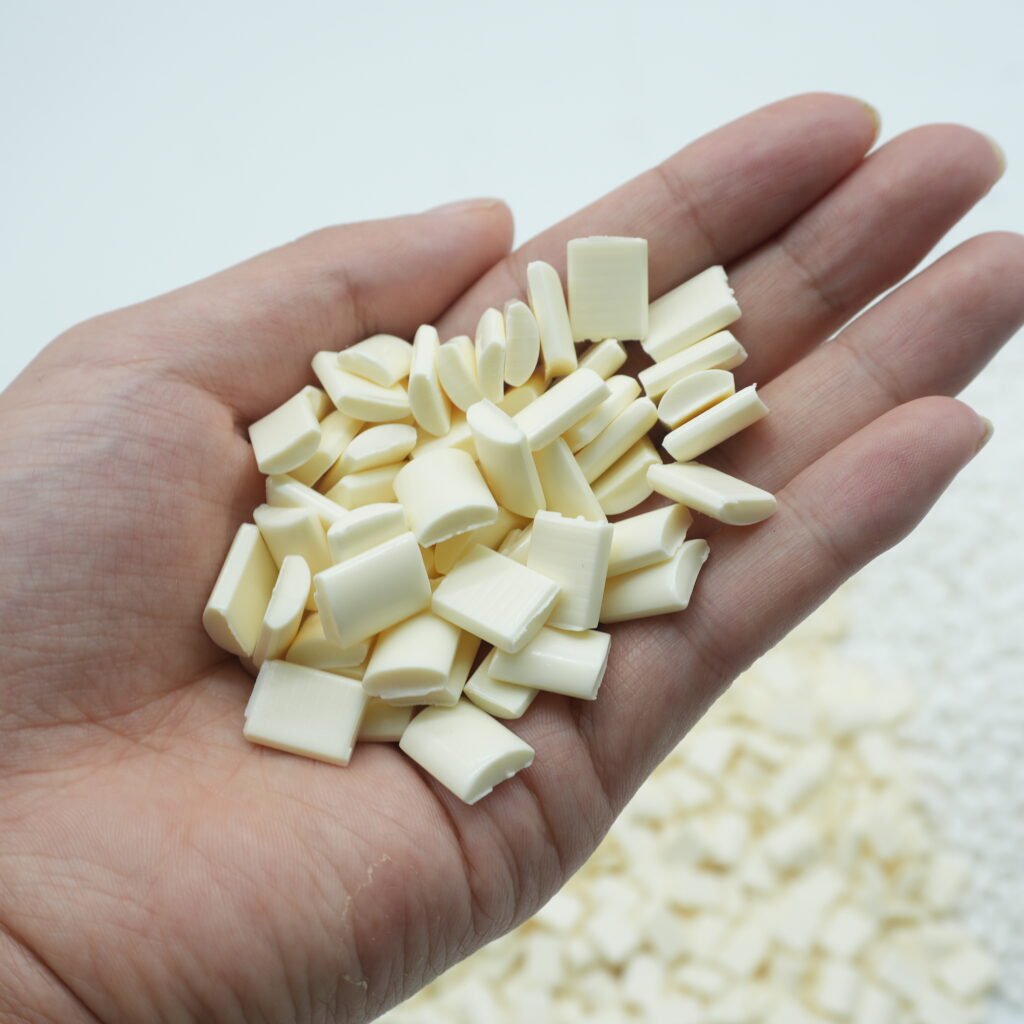
Evaluate Paper and Printing Materials
The type of paper used can have a major impact on bonding.
Many modern printing projects utilize:
- Coated paper
- Uncoated paper
- Recycled paper
Adhesive systems have varying degrees of interaction with each material. Sometimes, a good formula on standard paper will not work as well on coated paper or digitally printed paper.
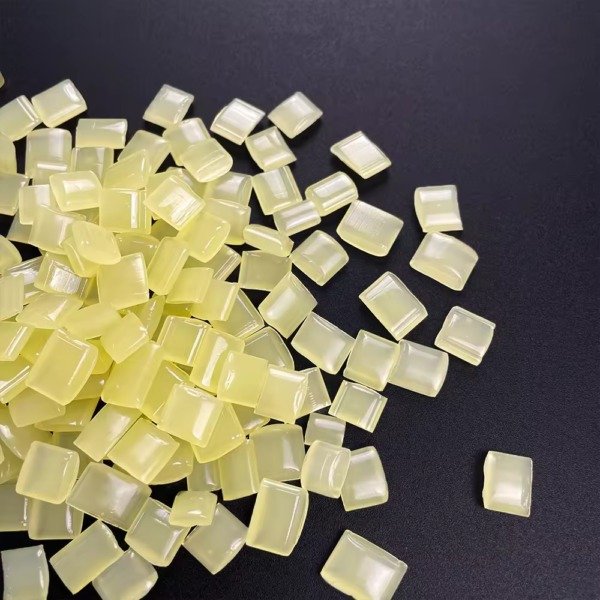
Match the Adhesive to the Binding Process
Bookbinding glue are used in a number of binding techniques such as:
- Perfect binding
- Hardcover binding
- Catalog binding
- Magazine production
The requirements for the adhesive application may vary according to the production process, and this is an important consideration in selecting the right adhesive.
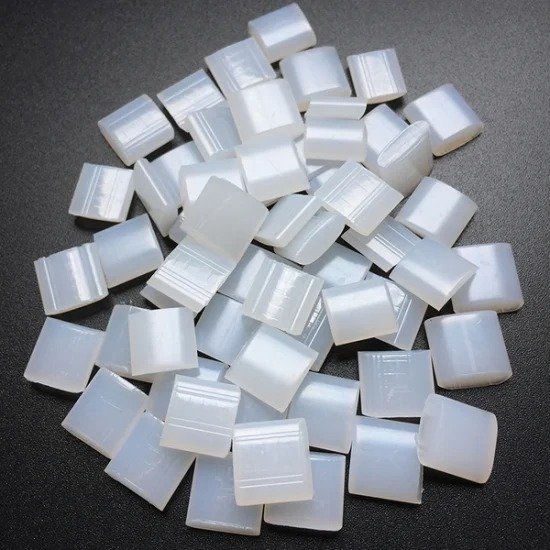
Review Production Line Conditions
There are significant differences between printing facilities in terms of production environments.
Important considerations include:
- Machine type
- Production speed
- Operating temperature
- Climate conditions
A good glue used on one binding line might need to be tweaked for use on a different line.
Frequently Asked Questions
Request a Quote!
If you need a reliable bookbinding adhesive for commercial printing, publishing, educational materials, catalogs, magazines or premium hardcover books, we can help you out.
Adhesive (Shanghai) Co. Ltd. has over 20 years experience in hot melt adhesive manufacturing, advanced R&D capability, international certifications and proven product stability over 99%, offering reliable solutions for customers worldwide.
Get in touch with us for samples, technical consultation, pricing and customized formulation support. Our specialists will assist you in choosing the bookbinding glue that meets your production requirements.