

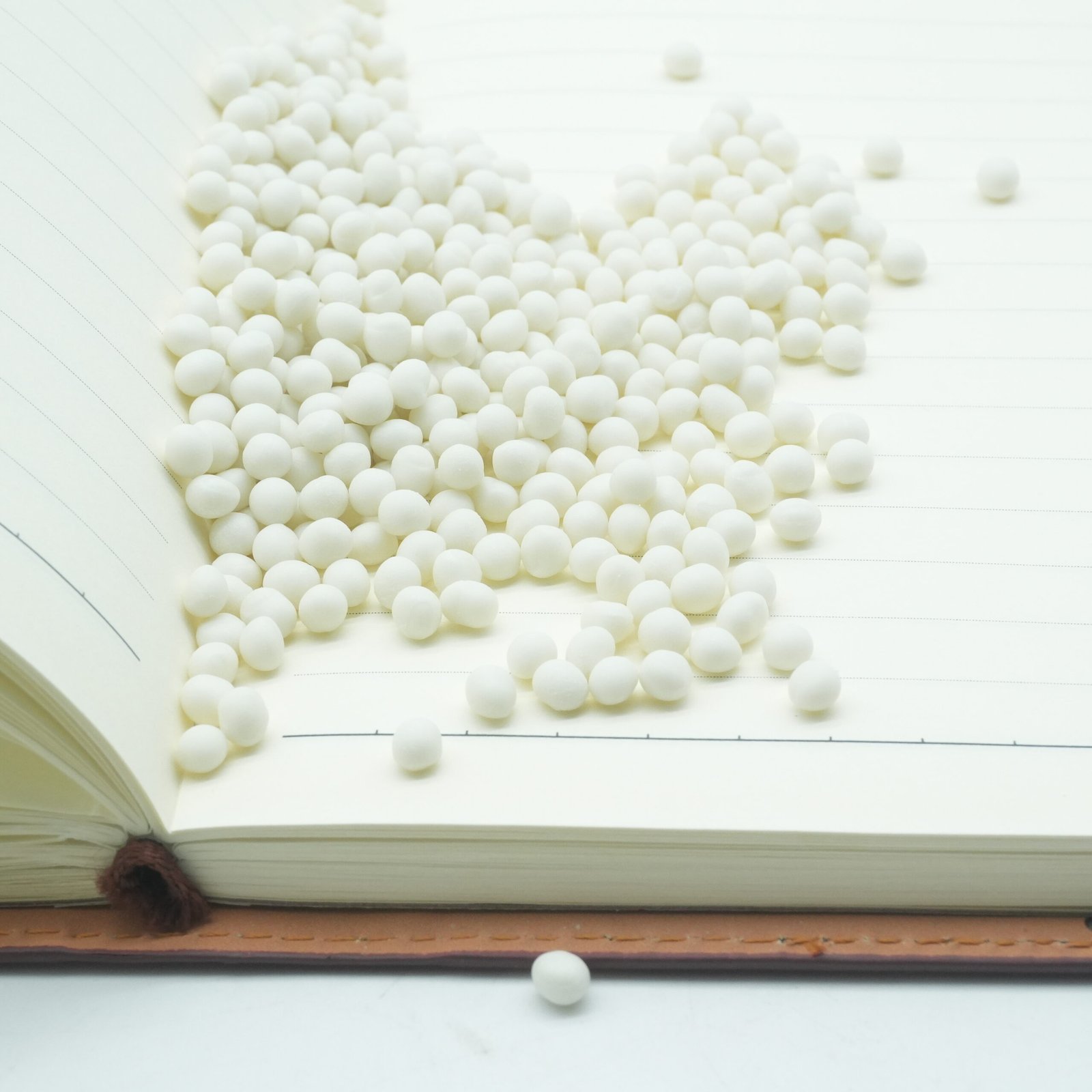
What is Side Glue Binding?
Perfect binding and saddle stitching are popular methods in the printing and binding sector. Side glue binding is another important technique used in high volume production.
It is easily manufactured, inexpensive and is used for products that are mass produced like notebooks, memo pads, catalogs, etc.
We will discuss the meaning of side glue binding, how the side-gluing process operates, the materials that are typically used, and the common uses for side-gluing. It will also be examined in terms of its chief advantages and disadvantages, so you can understand where this binding method sits in today’s printing production.
What is Side Glue Binding?
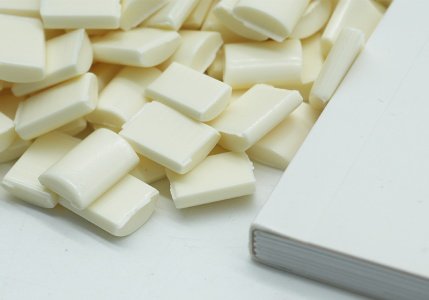
Side glue binding is a type of binding where hot-melt adhesive is applied to the side of the book block, around the edges of the pages, instead of the spine to join the pages and cover together and create a booklet structure.
The adhesive is applied directly to the side surfaces of the paper stack, which provide a more immediate and uniform bond between the interior pages and the cover, compared to spine-based binding methods.
It has a high degree of automation and a simple operating process, so it is widely used in industrial printing production lines. For commercial print products that don’t need to be read or handled for long periods of time, side glue binding is particularly appropriate for non-excessive durability.
Side Glue Binding Process
The side glue binding process aims to facilitate and streamline the industrial production of printed sheets into finished booklets in a continuous flow by providing the following steps, which are all efficient and highly controlled.
Paper Alignment
Printed sheets are stacked and precisely aligned, so that all edges are even and the order of pages is correct. The alignment is important for consistency of the binding in the later stages.
Edge Preparation
The binding edge is flattened or slightly roughened for better adhesive penetration and bonding. This will allow the glue to penetrate between the fibres of the paper which will lead to a more stable product.
Adhesive Application
The hot-melt adhesive, usually EVA-based glue, is evenly applied to the side edge of the paper block by the use of automatic binding machine. The quantity and temperature of the adhesive is controlled to achieve uniform coverage and optimum bonding performance.
Cover Bonding and Pressing
The glued paper block is then placed on the cover and pressed and cooled for the adhesive to set. In this phase, pressure is exerted for complete contact between pages and cover, resulting in a strong, lasting bond.
In general, the side glue binding process is completely integrated with the modern printing production line, which can be used to realize continuous, high-output, stable quality printing production.
Types of Adhesives Used for Side Gluing
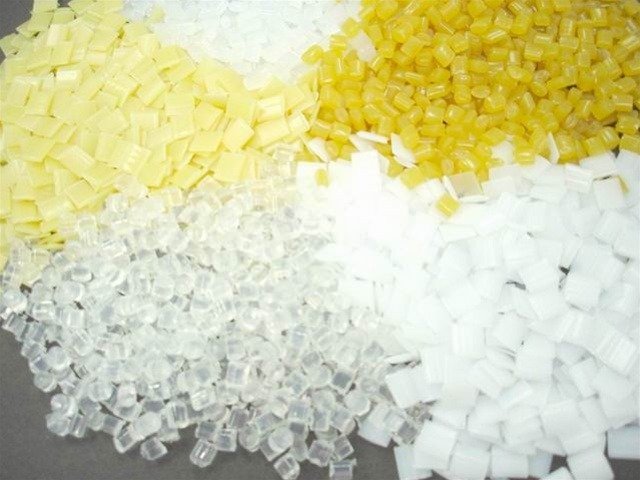
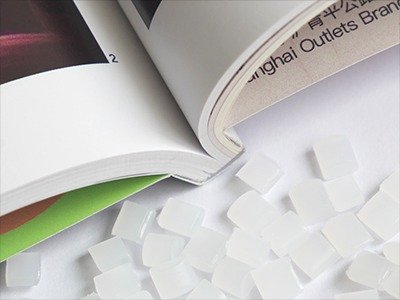
The type of adhesive significantly affects the bonding quality, manufacturing productivity and durability of side glue binding products. Currently, the most commonly used adhesive for side gluing applications is EVA hot melt adhesive.
Taking our company’s products as examples:
- 1016 (Side Glue)–White/Transparent
A hot melt adhesive based on EVA with a softening point of 80 ± 5°C; an open time of 15–20 seconds; a viscosity of 28,000 ± 5000 cps (at 140°C); and a density of about 1.15 g/cm³. It is designed to perform stable quality in normal side glue binding.
- 1018 (Side Glue)–Yellow/Transparent
This formulation performs as well as 1016, but can be used when a color change of the adhesive is desired for cover or material reasons, while maintaining the same appearance.
Side gluing adhesives have a relatively soft layer of glue and are generally formulated to have a high initial tack. They are available in white/transparent or yellow/transparent, usually to avoid altering the appearance of the cover material.
To obtain consistent performance in side glue binding, it is important to choose the right viscosity, open time, and thermal stability of the adhesive. Apart from EVA-based adhesives, PUR hot melt adhesives are also employed in special applications where higher heat resistance, bonding strength and durability are desired.
Common Applications for Side Glue Binding
Side glue binding is commonly used on many commercial printing products that need some level of durability, cost control and efficiency. The most common uses are the following product types:
Notebooks and notepads
The side-glued construction simplifies the page separation and smooth page turning when using it daily.
Catalogs
For catalogues, which are printed in large quantities and delivered within short periods of time, side glue binding is well-suited because it is not as durable as hardcover binding.
Promotional print materials
Items such as brochures and advertising inserts often require a balance between appearance and production cost, making side glue binding a practical solution.
Corporate internal publications and training manuals
Side Glue binding is a clean, cost effective binding for lightweight and short-term use documents.
Usually these applications have the same traits: they are used medium to often, they are very visual, and they require production efficiency and cost sensitivity. This is in line with the functional benefits of side glue binding in the industrial printing field.
Advantages of Side Glue Binding
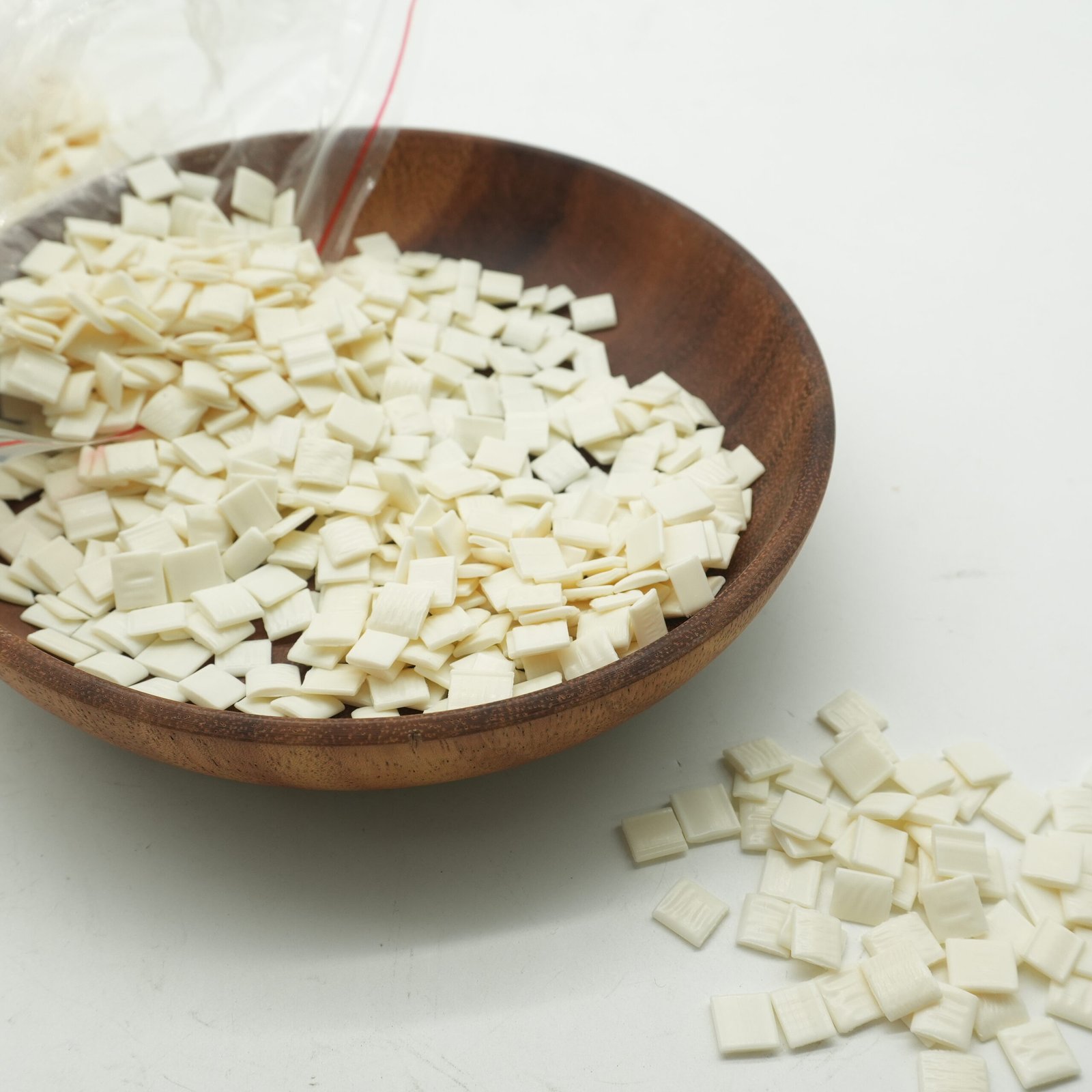
Side glue binding has some practical advantages, and it can be used in the modern industrial printing and large-scale production environment.
High production efficiency
It can be fully compatible with high-speed automated equipment, and realize continuous production with high output compared with manual binding method.
Low overall cost
Side glue binding is a cost-effective method for mass production because the amount of adhesive used can be strictly controlled and the necessary equipment is not too expensive.
Stable and reliable process
The production process is well standardized which allows for uniformity of binding quality and little differences between production batches.
Flexible size adaptability
Side glue binding is suitable for a variety of product sizes, such as A6 notepads to A4 catalogs and is very versatile in commercial printing applications.
In conclusion, side glue binding offers many benefits for high-volume printing production, particularly when quality, consistency, and cost control are critical considerations.
Limitations of Side Glue Binding
In the process of choosing a method to bind printed materials into books, it is important to take into account the limitations that exist in the operation of side glue binding, as it is with any other industrial binding method.
Lower binding strength compared to spine binding
The adhesive is used only around the edges of the paper block, which means there is not a lot of adhesive used. Therefore, side glue binding is not ideal for books or materials which are used frequently or heavy over time.
Unsuitable for thick, heavy books
The more pages there are, the heavier and more stressed the paper is. In such instances, the edge bonding may not be strong enough to hold the binding, and the binding may begin to pull apart or loosen when pressure is applied.
Higher dependency on adhesive quality and equipment precision
The adhesion and performance of side glue binding are directly related to the quality of the hot-melt adhesive and stability of the equipment. The quality of the adhesive used, or the machines being set up incorrectly can have a direct impact on the bonding strength and hence on the overall production yield.
Side Glue Binding vs Other Binding Methods
Side glue binding and other common binding methods compared with structure, application and production characteristics are shown in the table below:
| Comparison Aspect | Side Glue Binding | Perfect Binding (Spine Gluing) |
| Adhesive position | Side edge of pages | Spine of the book block |
| Suitable thickness | Thin to medium | Medium to thick |
| Production cost | Low | Medium |
| Binding strength | Medium | High |
| Typical applications | Notepads, catalogs | Books, magazines |
Common Quality Issues in Side-Glue Binding
During the side glue binding process, there are several common quality problems that can occur in practical production.In practical production, there are several common quality problems that may occur during the process of side glue binding. Typically these problems are associated with material issues, equipment issues or process stability issues.
Weak bonding
This problem is frequently linked to the lack of viscosity of the adhesive, the low application temperature or to improper production bonding conditions that can affect the overall bonding strength.
This problem can be caused by poor application of glue and/or poor side edge preparation resulting in inadequate penetration of the glue between the paper layers.
Glue overflow or uneven coating
This usually results from the inability of the equipment to obtain the required precision, from the flow control of the glue being unstable, or from the requirement for the adhesive open time to match production line speed.
Usually, such problems are not caused by one specific cause. Rather, they are typically a combination of the adhesive properties, equipment stability and control of process parameters. Of these, the quality and uniformity of the adhesive is especially significant for providing stable production results.
FAQ
Can side glue binding be used for automated production lines?
Yes. Side glue binding is very suitable for fully automatic production line. It can also be used for continuous processing, enabling stable integration into high-speed binding and finishing machinery in industrial production.
How does paper type affect side glue binding performance?
Coating, thickness and fiber density of a paper may affect adhesive penetration and bonding stability. Generally, the more absorbent the paper, the better the bond will be.The bond will be good on more absorbent paper than on heavily coated or glossy paper.
What factors influence the durability of side glue binding products?
Durability is affected by several factors including adhesive formulation, application temperature, quality of edge preparation, and machine pressure control. A well-balanced production process helps to provide more consistent binding results.
Is side glue binding suitable for variable page count production?
Side Glue binding can be done with a range of different page counts. However, very high page volumes may require some adjustment of the amount of adhesive and process parameters to maintain the stability of the bonding performance.
How is side glue binding different from adhesive tape or manual binding methods?
Side glue binding is a hot-melt adhesive process used in the industry, which is more efficient, has better structural integration and is more suitable for mass production environments compared to tape-based or manual binding methods.
Conclusion
Side glue binding is widely used in the printing and binding industry due to its efficiency, cost effectiveness and suitability for automated production. It is especially suitable for mass produced items like notebooks and catalogues where constant output and controlled production costs are important.
Adhesive (Shanghai) Co. Ltd has been dedicated to the research and production of EVA and PUR hot melt adhesives for more than 20 years. The company is certified to multiple international standards, including ISO, CE and CARB, and serves customers around the world in packaging, commercial printing and related industries.
We work with distributors, manufacturers and OEM’s to provide technical support and adhesive solutions specific to the needs of a particular production process.
If you want to know the material recommendations or samples for side glue binding applications, welcome to contact us for professional support and quotation.
Leave a Reply