Adhesive for Hardcover Books
An application overview of how adhesive for hardcover books is used across case binding processes and production stages
Introduction
The weakest link in the chain of durability of a hardcover book is the case binding adhesive.
Adhesive for hardcover books plays many structural roles in the production of hardcover books, including bonding the book block, endpapers and cover boards together. The book’s durability in paperback binding is achieved by a single spine adhesive but in hardcover binding there are several layers bonded together and these layers will influence the book’s long term durability.
For the publisher, the printer and the bookbinder, glue is an essential ingredient in the production of books that will open and close easily, remain stable over time and resist the effects of humidity and temperature changes. It is not always obvious that the adhesive for hardcover books has failed, and can cause cover to lift off, spine cracking or endpaper separation after the product is distributed.
Why Adhesive Selection Is Critical in Hardcover Book Binding?
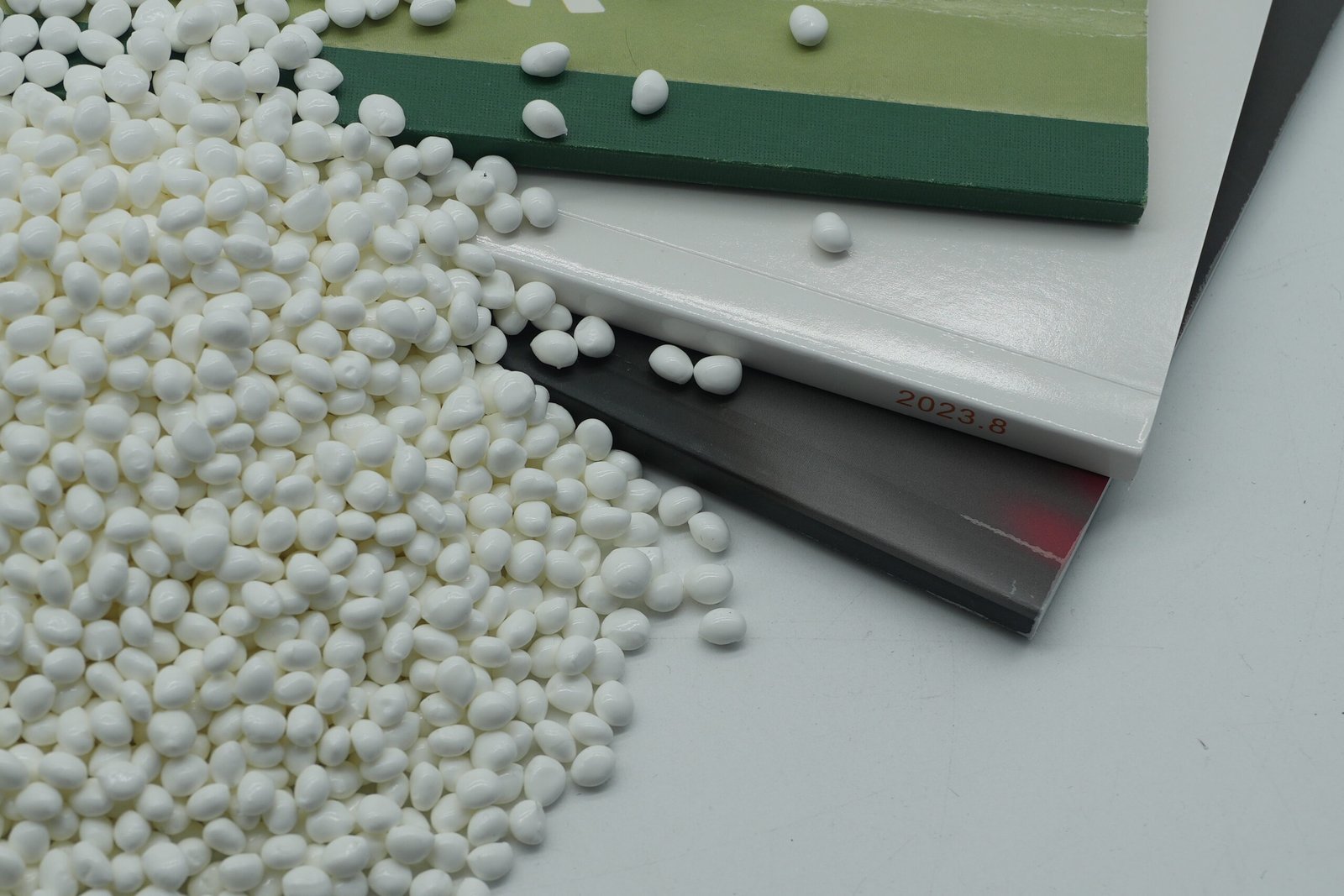
Paperback binding is pretty forgiving. With paperback books, the glue is usually applied at the spine and the bond formed will usually be strong enough to hold up to normal use as long as the glue works well.
The hardcover book binding is a lot more complicated. The structure has to be first formed as a book block, then assembled into a rigid case and finally joined by a case-in process. In hardcover books adhesive is used in every step and each bonding point has different mechanical and structural requirements.
The hardcover case binding is the case that is always under tension when opened. Spine must flex back and forth many times without cracking or delaminating.
The cover boards should not curl during the curing process because of the shrinkage of the adhesives. The hinge area, where cover connects to the spine, is the most stressed area of the structure.
That is why the choice of adhesive for hardcover books is not a generic one. In many cases, the problem is not with the product, but with the mismatch of the adhesive properties and production conditions, such as viscosity being incompatible with line speed, or open time being incompatible with the case binding process.
Adhesive for hardcover books in practice is chosen for particular bonding stages, combinations of substrate and production parameters, and not by general catalogue specifications.
Common Bonding Challenges in Hardcover Production
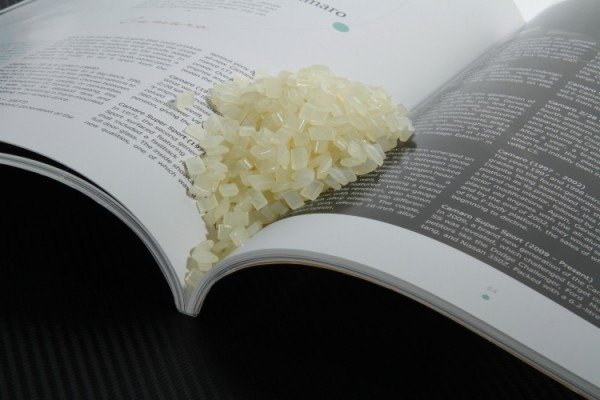
Endpaper separation
Typically, endpaper separation starts at the corners or along the hinge line. The endpaper begins to rise and after that, the bond between the book block and the case is broken. This is frequently due to poor adhesive coverage or to a formulation that, over time, has a decreasing degree of flexibility, or performs well initially but not after use.
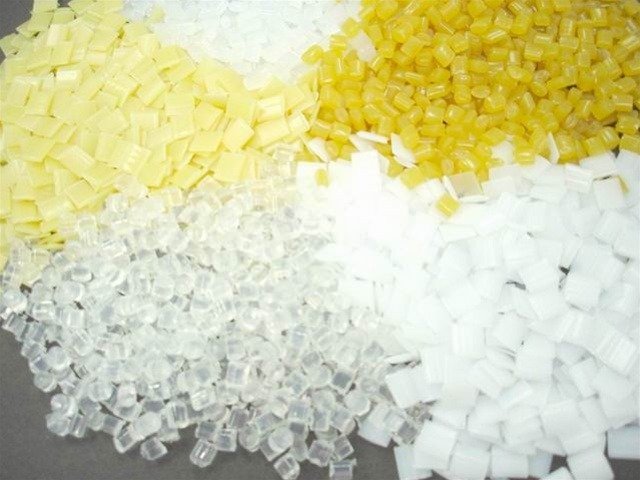
Spine cracking
One of the most obvious and irksome failures in adhesive for hardcover books is the cracking of the spine. If a book is opened beyond its intended range, a cracking sound can be heard and a white stress line will be visible along the spine. This is usually due to the use of too stiff an adhesive for spine reinforcement or book block binding in hardcover book production.

Cover board detachment
Cover board detachment is a casing-in failure that occurs when the book block comes loose or breaks free from the case. This is frequently due to inadequate adhesive application during casing-in or to using an EVA formulation that does not offer good adhesion to coated or laminated cover materials.
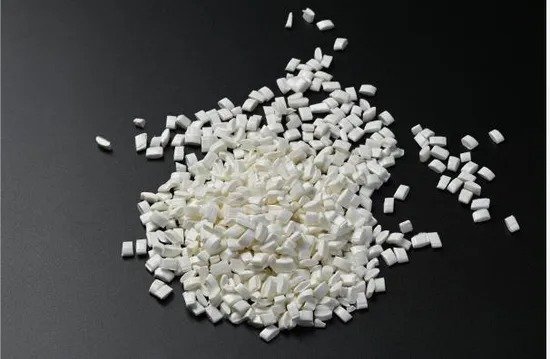
Warping and deformation
Warping or deformation is usually present at the time of drying or immediately after drying. Cover boards can curve inwards or outwards, causing the book to not lay flat. This is typically related to moisture imbalance, where the moisture in the adhesive does not react in an even manner with the surface of the board during the curing process.
How Adhesive Works in Hardcover Book Binding
Case making
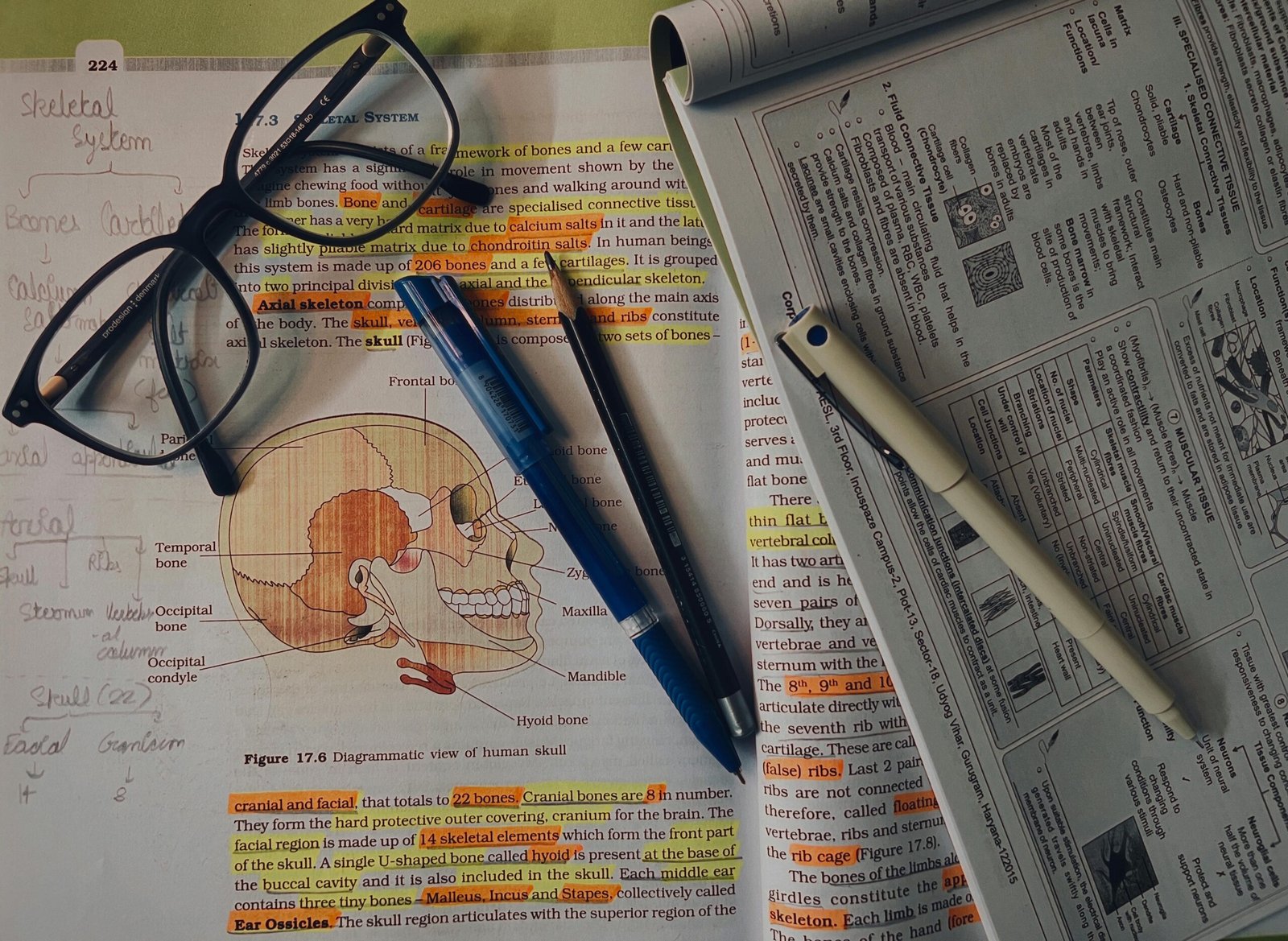
The cover is made in the case making process. Rigid boards are covered with cloth, paper or synthetic laminate and folded and pressed into shape.
The adhesive for hardcover books used in hardcover book production should have quick tack, stable coating properties, and clean lay-down properties at this stage.
Our EVA hot melt adhesive grades 1015 and 1019 are formulated to this process. They offer stable bead control, consistent bead coverage and reliable processing on commercial case makers, with an open time of 8-12 seconds and a viscosity of ~30,000 cps at 140°C.
Endpaper bonding
The endpaper bonding is the structural bond between the book block and case. The endpaper is a folded piece pasted to the cover board, the other side being free as the flyleaf.
This bond should be able to resist repeated opening cycles and prolonged environmental effects like humidity and temperature fluctuations. The adhesive for hardcover books in this stage needs to be flexible and strong.
The most commonly recommended EVA grades are 1016 and 1018 for this use. Their open time is longer (15 to 20 seconds) and their viscosity at 140°C is about 28,000 cps, which gives them better surface wetting and stable adhesion in manual and semi-automatic production settings.
Spine reinforcement
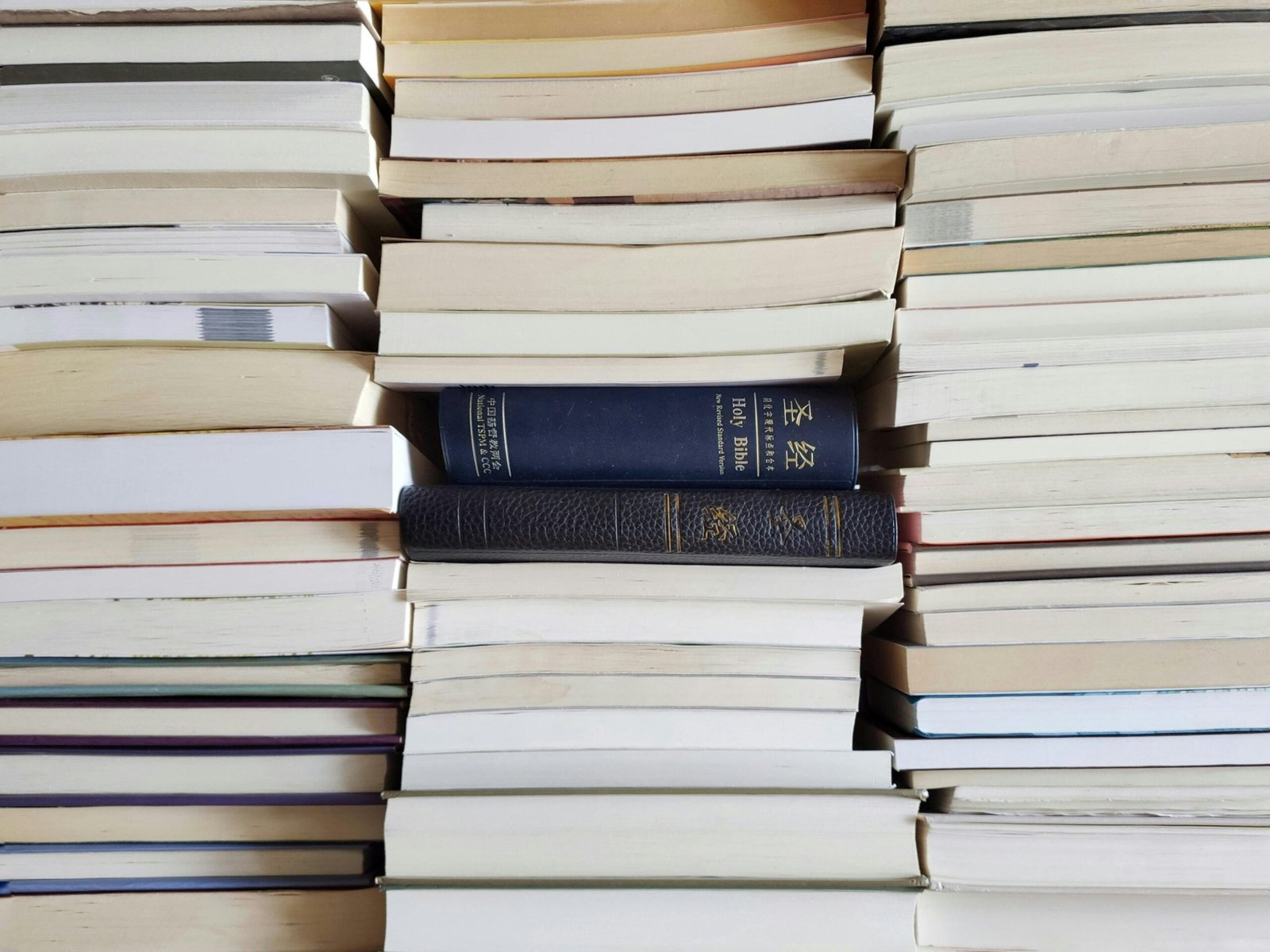
Load distribution is not the only thing that happens due to the spine reinforcement. Before casing-in, a gauze or cloth liner is placed on the spine of the book block, and the adhesive has to penetrate the fibers to hold the book block together.
EVA systems are typically used for standard hardcover books. PUR adhesive, however, is superior for premium applications like photo books, art books or library editions.
The PUR grade 6620 cures by a moisture initiated crosslinking reaction to create a thermoset bond that is highly resistant to delamination and will not re-melt under heat. This makes it ideal for hardcover books that are used frequently and will need to last for a long time.
Casing-in
The last step of assembly is known as casing-in, in which the book block is connected to the prepared case. The endpapers are pressed against the cover boards and the whole structure is consolidated under pressure.
At this stage, consistent adhesive coverage is critical. Any voids in adhesive for hardcover books can result in bubbles, weak zones, or long-term structural failure in the finished product.
All structural layers are firmly joined and create a durable hardcover book when the correct pressure and even distribution of adhesive are used.
Applications of Hardcover Book Adhesive
Art books and coffee table books
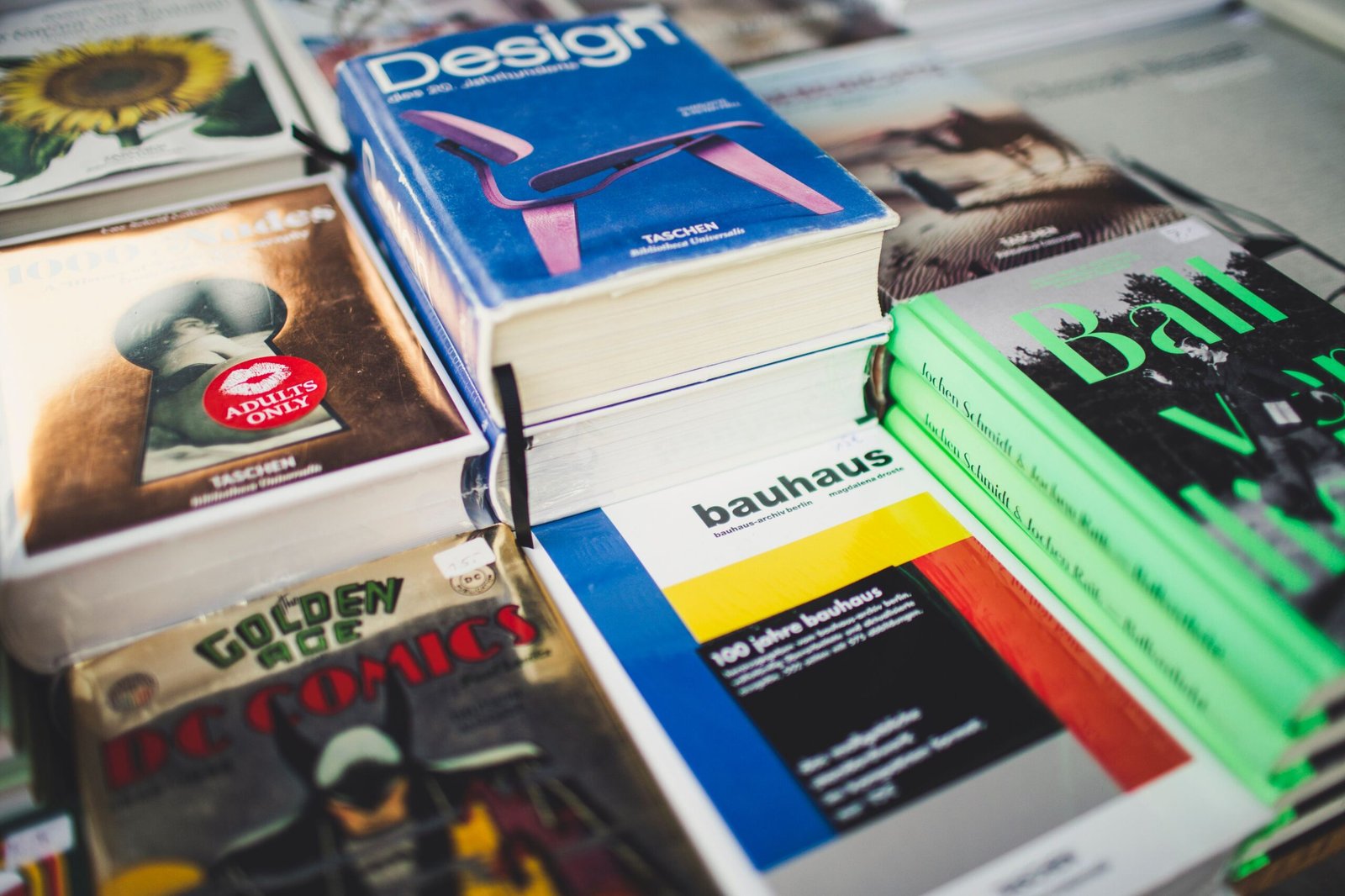
In art books or coffee table books, the flatness and appearance are very important and critical for the visual presentation. If the cover board or endpapers are warped, it is immediately noticeable and will have a negative impact on product quality. For these uses, adhesive for hardcover books must be very flexible and have good surface adhesion. PUR or high flexibility grades are often specified for lay flat and dimensional stability.

Photo books
Printed material in photo books are of high value and intended for long-term preservation. Failure of bonds is not just a structural problem, but also a customer experience risk. Thus, the adhesive used in the production of photo books for hardcover books must have good moisture resistance and stable adhesion. Because they last longer, PUR systems are usually the preferred choice.

Library editions
One of the most challenging applications of adhesive for hardcover books is in library editions. The number of times a book is opened and closed in a library is in the thousands throughout its lifetime. Strength of the spine reinforcement and the integrity of the hinges are thus important considerations.

Premium textbooks
Structural durability and a professional, clean look are essential with premium textbooks and corporate presentation books. For such applications, adhesive strength is required to maintain over time and provide a good appearance.
Why Book Manufacturers Work With Us?
We at Adhesive (Shanghai) Co. Ltd don’t just supply materials, we supply a stable and production-ready adhesive system for industrial bookbinding applications, including adhesive for hardcover books.
- 20+ years of formulation expertise in EVA and PUR hot melt adhesives
- Certified manufacturing system (ISO, CE, CARB)
- 99%+ batch-to-batch stability rate
- 30 technical consultants with 24-hour response support
- Custom formulation development within 7–15 working days
- Minimum order quantity of 100 kg for custom grades
FAQ
Talk to a Technical Consultant
Whether you’re specifying adhesive for a new hardcover line, switching suppliers or troubleshooting a quality issue in your adhesive for hardcover books application, we’re easy to work with. Send us your substrate, line speed and bonding stage and we will recommend a starting point. Samples are available before any order.