Glue For Laminate Flooring
Gap-filling, water-resistant adhesive engineered to bond laminate and engineered wood planks — keeps floors flat, locked and quiet underfoot.
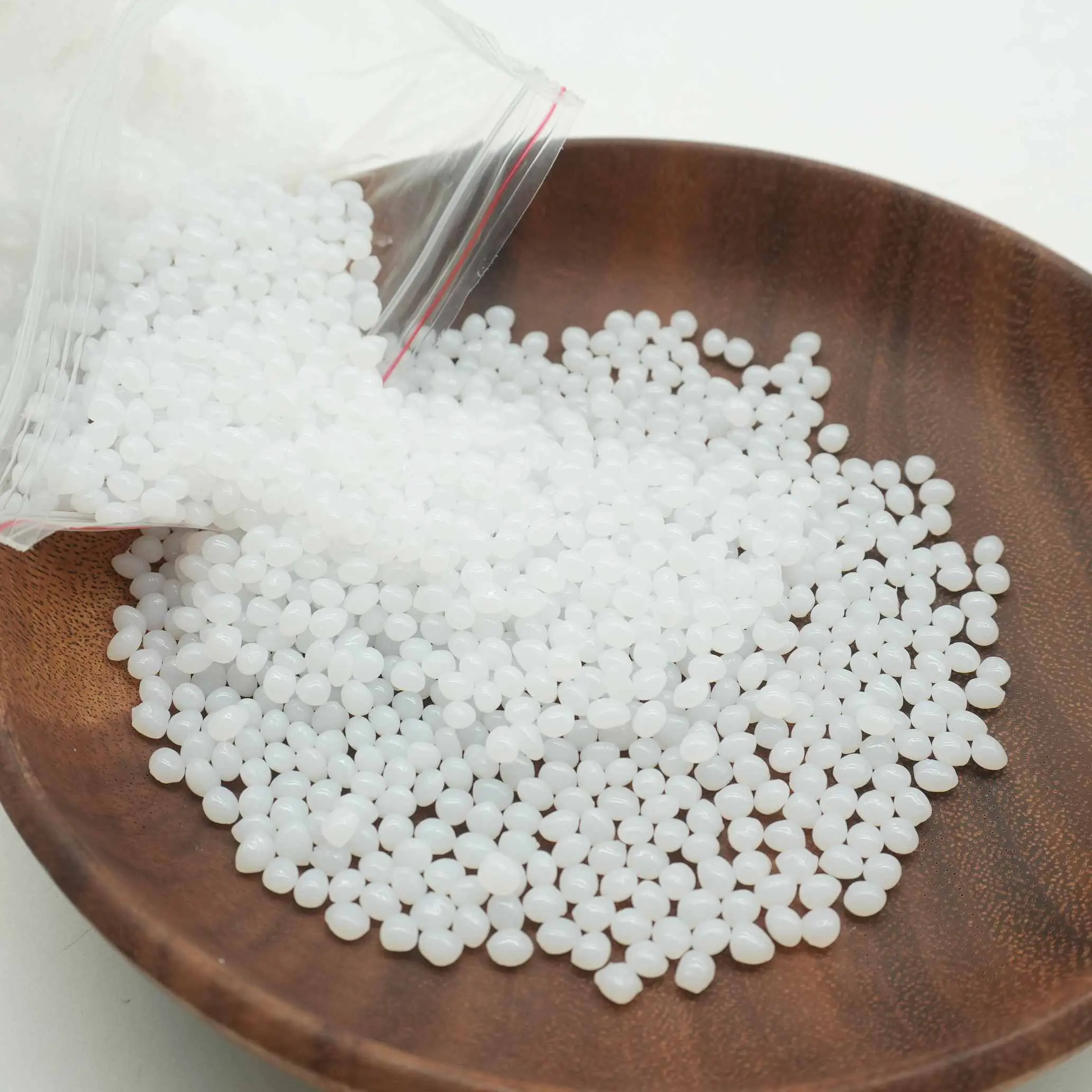
Hot Melt Glue for Laminate Flooring Production
We offer EVA and PUR hot melt glue for laminate flooring production, which helps manufacturers to get reliable bonding, quick production speed and stable production.
Customized Formulation
Application Matching
Sample Testing
Technical Support
Reliable Supply
The adhesive is recommended according to materials, application technique, equipment, line speed and bonding specifications. Please provide us with your flooring structure and current bonding problem, and we will be able to recommend a hot melt adhesive that is suitable and make samples available for testing.
What Glue Is Used for Laminate Flooring?
The right glue for laminate flooring depends on what you are bonding, how the adhesive is applied, and what performance the finished flooring requires.
EVA Hot Melt Glue
A practical option when you need:
- Fast melting and setting
- Efficient continuous production
- Reliable initial bonding
- Easy processing and application
- Good cost control
It may be used for flooring if the bonding and resistance properties can be met by using a thermoplastic hot melt system.
PUR Hot Melt Glue
More suitable when the flooring construction requires:
- Stronger long-term bonding
- Higher heat resistance
- Better moisture resistance
- Improved durability after curing
- Reliable bonding under demanding service conditions
Unlike conventional thermoplastic hot melt, PUR continues to react with moisture after application and forms a cross-linked bond.
How to Choose the Right One
The adhesive should be selected according to your actual production conditions, including:
So instead of choosing a glue simply because it is labeled “for laminate flooring,” manufacturers should match the adhesive to the specific materials and production process. We can help evaluate your application and recommend a suitable EVA or PUR hot melt adhesive for sample testing.
Our Hot Melt Glue for Laminate Flooring – Key Product Advantages
Engineered for flooring production lines, our hot melt adhesives balance strong bonding, fast output and stable performance across a wide range of laminate constructions.
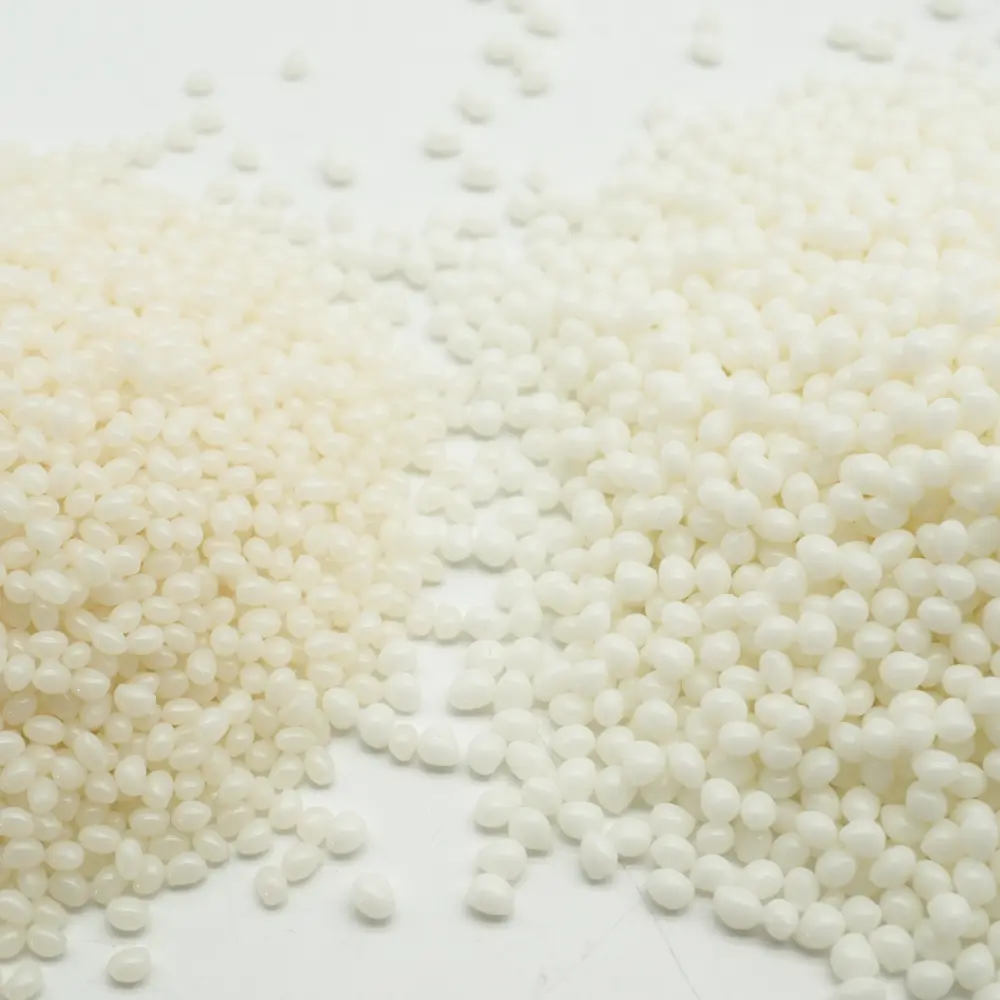
100% Solid Hot Melt – No Water, No Solvent
It removes drying and assists in minimising moisture deformation of substrate during bonding.
Flexible Bonding for Long-Term Stability
The adhesive layer is flexible after bonding and allows for small movements between bonded materials.
This helps minimize stress, cracking and loss of adhesion due to temperature fluctuations and movement over time.
Strong Moisture Resistance
Good moisture and environmental resistance is provided by the cured adhesive.
It allows for consistent bond under conditions of humidity and/or occasional liquid contact in flooring applications.
Fast Initial Tack and Setting
Materials that hold fast immediately after application have fast initial tack. The short setting time facilitates quicker handling and more efficient continuous production.
Controlled Viscosity and Clean Application
Consistent adhesive flow and coating is given by stable melt viscosity.
Reduces excess squeeze-out, uneven application and excess adhesive usage.
Broad Substrate Compatibility
Appropriate formulations are available for melamine surfaces, HDF, MDF and other wood-based substrates.
Depending on your type of flooring construction and bonding method, we can recommend the right adhesive for you.
Application & Formulation Support
We evaluate your substrates, application method, equipment, line speed, and bonding requirements to recommend the right glue for laminate flooring for your production process. Samples are available for testing on your actual flooring materials before bulk production.
Please submit your samples of flooring materials and application needs and we will provide a product suggestion and sample.
EVA vs PUR Hot Melt Adhesive
One of the most common questions from flooring manufacturers is whether to use EVA hot melt or PUR hot melt.
| Requirement | EVA Hot Melt | PUR Hot Melt |
|---|---|---|
| Fast thermoplastic bonding | Suitable | Suitable |
| Quick processing | Suitable | Suitable |
| Thermoplastic behavior | Yes | No after curing |
| Moisture resistance | Formulation dependent | Strong advantage after curing |
| Heat resistance | Formulation dependent | Strong advantage |
| Cross-linked final bond | No | Yes |
| Processing complexity | Generally simpler | Requires controlled handling |
| Typical focus | Cost and processing efficiency | Durability and resistance |
The decision should therefore be based on substrate + machine + production speed + performance requirements, rather than choosing an adhesive only by product category.
Common Laminate Flooring Bonding Problems
When choosing Glue for Laminate Flooring, manufacturers need to consider more than basic bonding strength. The adhesive must match the flooring materials, application process, and production conditions to maintain consistent bonding and reduce common issues such as delamination, slow setting, uneven coating, and bond failure.
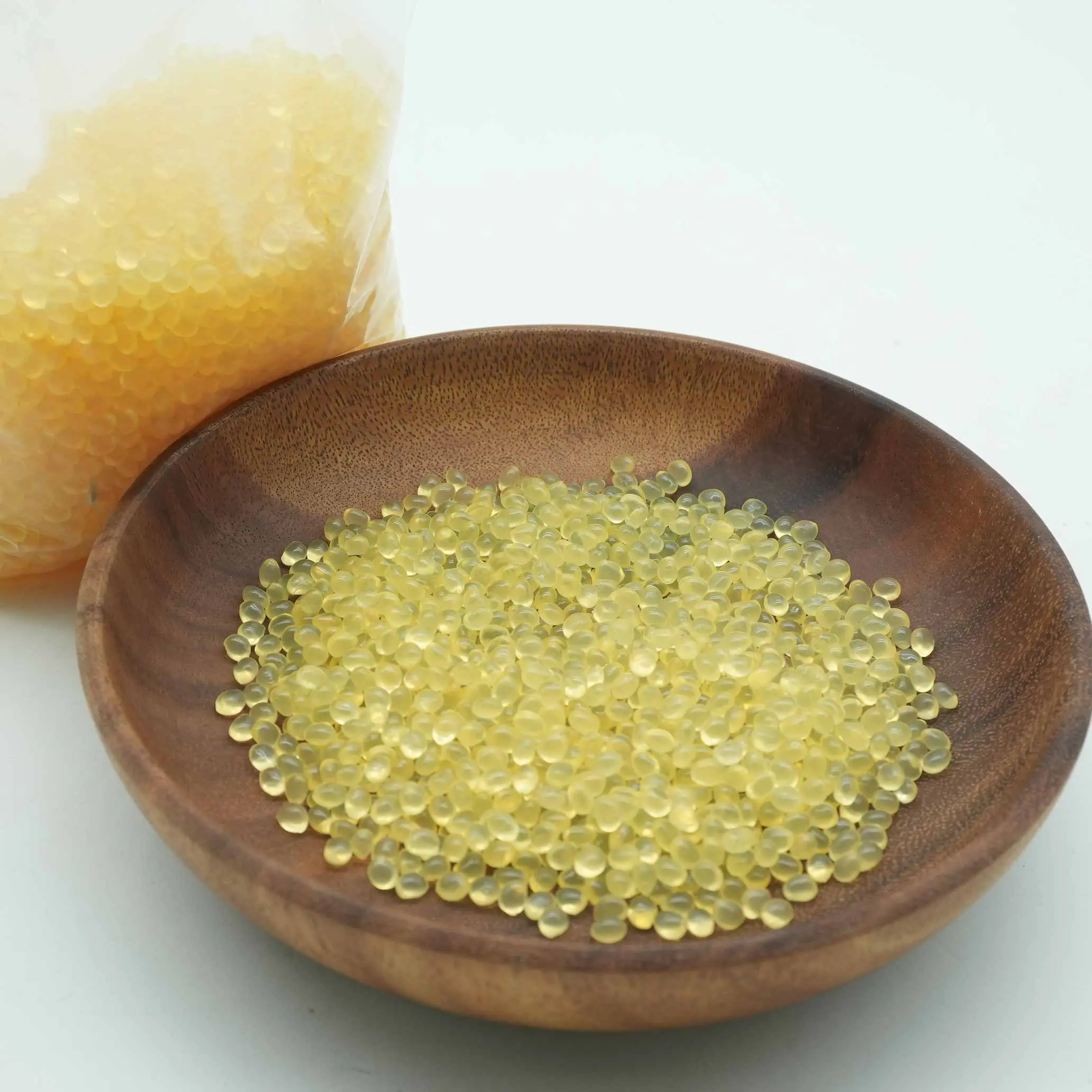
Delamination
Inadequate adhesion, uneven coating, or incompatible adhesives with the substrate can cause layers to separate.
Depending on the substrates, coating conditions and bonding requirements, we can recommend an appropriate adhesive formulation to enhance adhesion and minimize delamination.
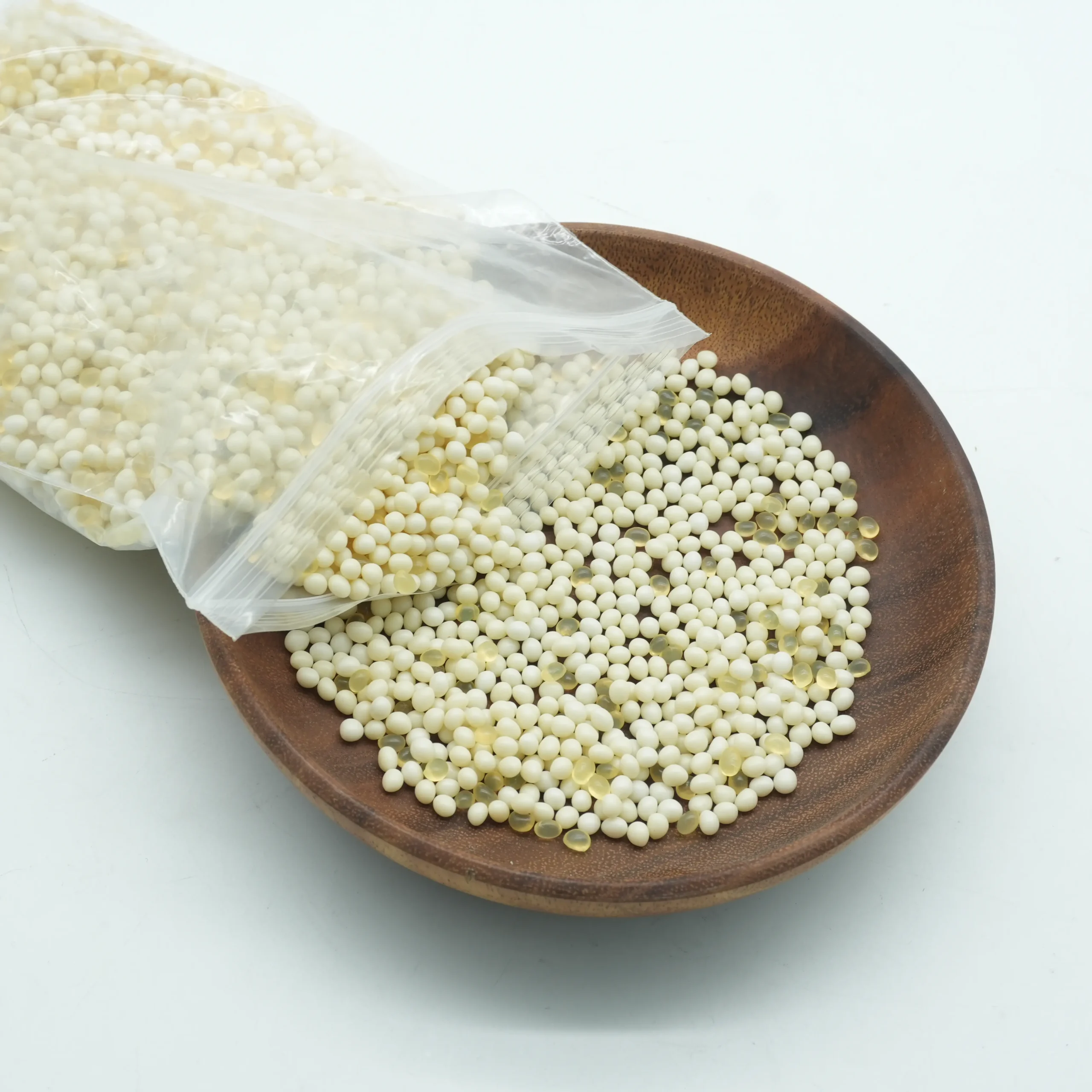
Slow Setting or Weak Initial Bond
If the bond’s initial strength is not obtained in the production cycle, then bonded materials may move during further processing.
Open time and setting speed can be adjusted to better accommodate your line speed and production needs.
Uneven Coating or Excessive Squeeze-Out
Poor coating performance is caused by incorrect viscosity, application temperature, or coating weight.
The adhesive can be selected or customized based on your equipment, application temperature, and coating method for more consistent application.
Bond Failure Under Heat or Moisture
A good bond at the time of manufacture can deteriorate over time when exposed to heat or moisture.
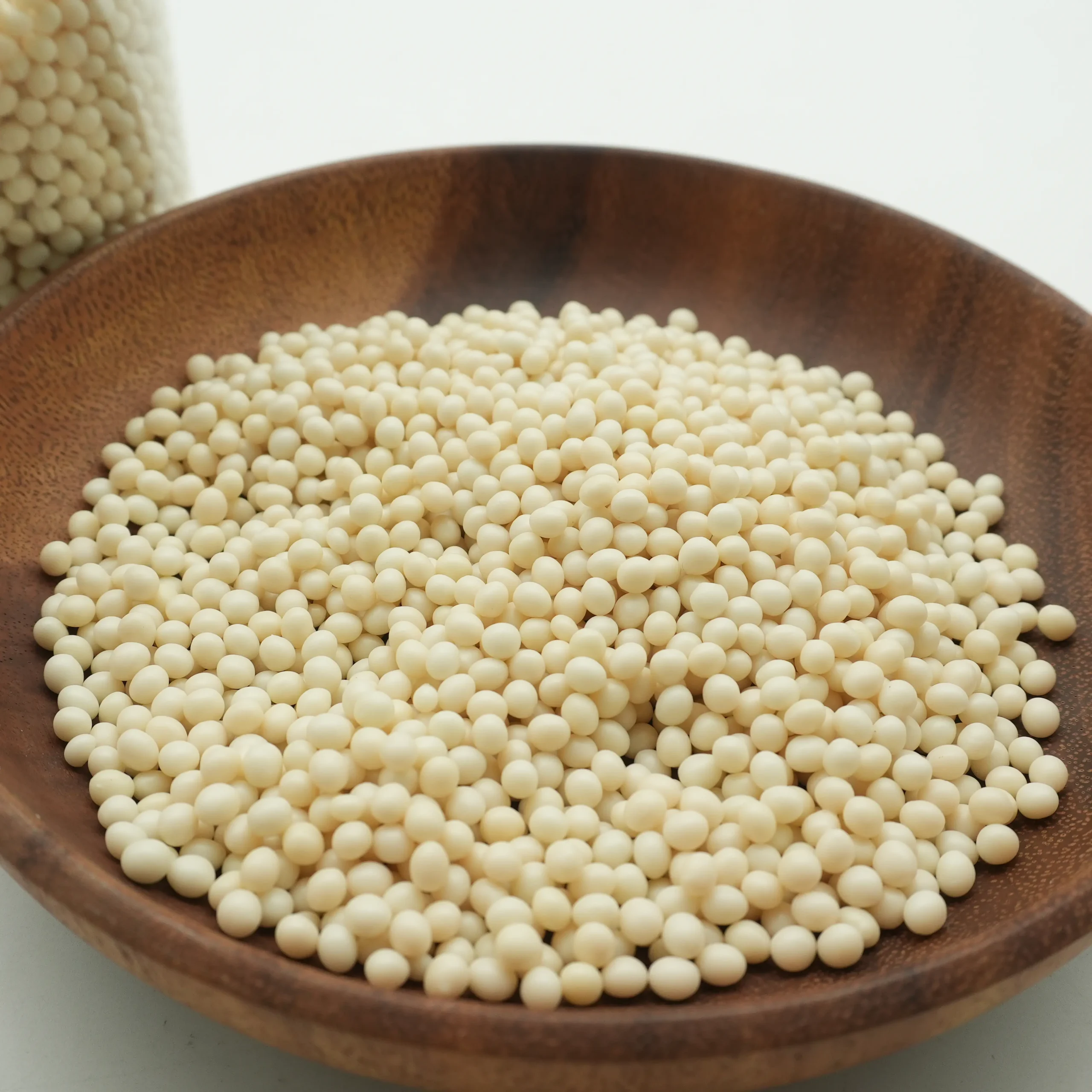
PUR reactive hot melt could be considered for higher long-term resistance in more demanding flooring applications, and EVA hot melt in suitable thermoplastic bonding applications.
Please share with us your flooring materials, application process, production speed and existing bonding problem. A suitable hot melt adhesive can be recommended for testing.
Inquire Now Inquire NowHow to Choose the Right Hot Melt Glue for Laminate Flooring?
The first step in selecting the correct hot melt adhesive is to determine the actual flooring materials and production process. These are the major factors:
Substrate
Various materials like melamine, HDF, MDF and other wood based materials can have different adhesive properties.
Application Method
Suitable viscosity and melt flow are required for roller, nozzle, spray or other application systems.
Line Speed
The setting time of faster production lines might be shorter, and the correct open time is needed to ensure stable bonding.
Application Temperature
It is important to use an adhesive that is compatible with your equipment and operating temperature to ensure consistent melting and application.
Bonding Performance
Think about the initial tack, final bond strength, flexibility, and resistance to repeated stress.
Heat and Moisture Resistance
In hard-to-apply flooring situations, consider the level of humidity, temperature and environmental exposure resistance needed.
The adhesive is recommended according to your specific materials, equipment and production conditions, and samples can be tested before bulk production.
FAQ: Glue for Laminate Flooring
Request a Hot Melt Glue Sample
Choosing glue for laminate flooring starts with understanding your materials and production process.
Send us your flooring structure, substrate information, adhesive application method, line speed and current bonding problem.
We can recommend a suitable EVA or PUR hot melt adhesive for your application and arrange a sample for production testing.