
Best Hot Melt Adhesive for PVC Edge Banding
Choosing the right hot melt adhesive for PVC edge banding directly impacts bond stability, finished appearance and long-term furniture quality. PVC edge tape features a smooth, low-surface-tension surface that creates unique bonding challenges compared with veneer or melamine materials. Even premium PVC edge banding may peel, develop visible glue lines or delaminate if paired with unsuitable glue.
For furniture manufacturers, cabinet factories and export distributors, specialized hot melt adhesive for PVC edge banding delivers consistent bond strength, better heat and moisture resistance, and fewer production defects on automatic edge banding lines. This guide focuses on PVC-specific bonding requirements, compares EVA and PUR grades, analyzes common production failures and outlines how to source customized adhesive solutions.
What Is Hot Melt Adhesive for PVC Edge Banding?
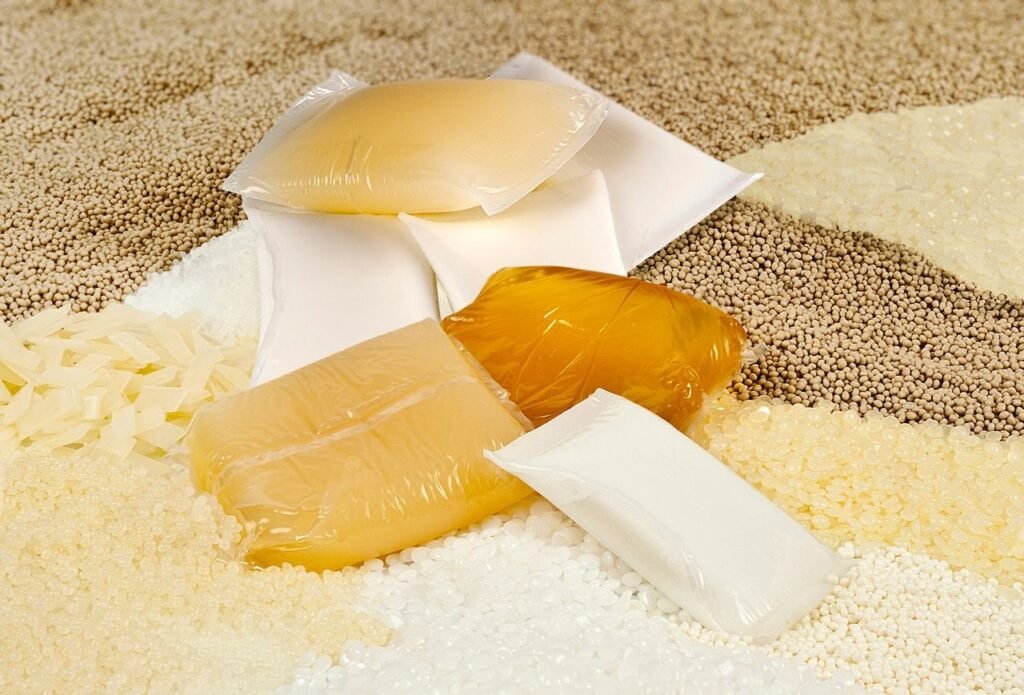
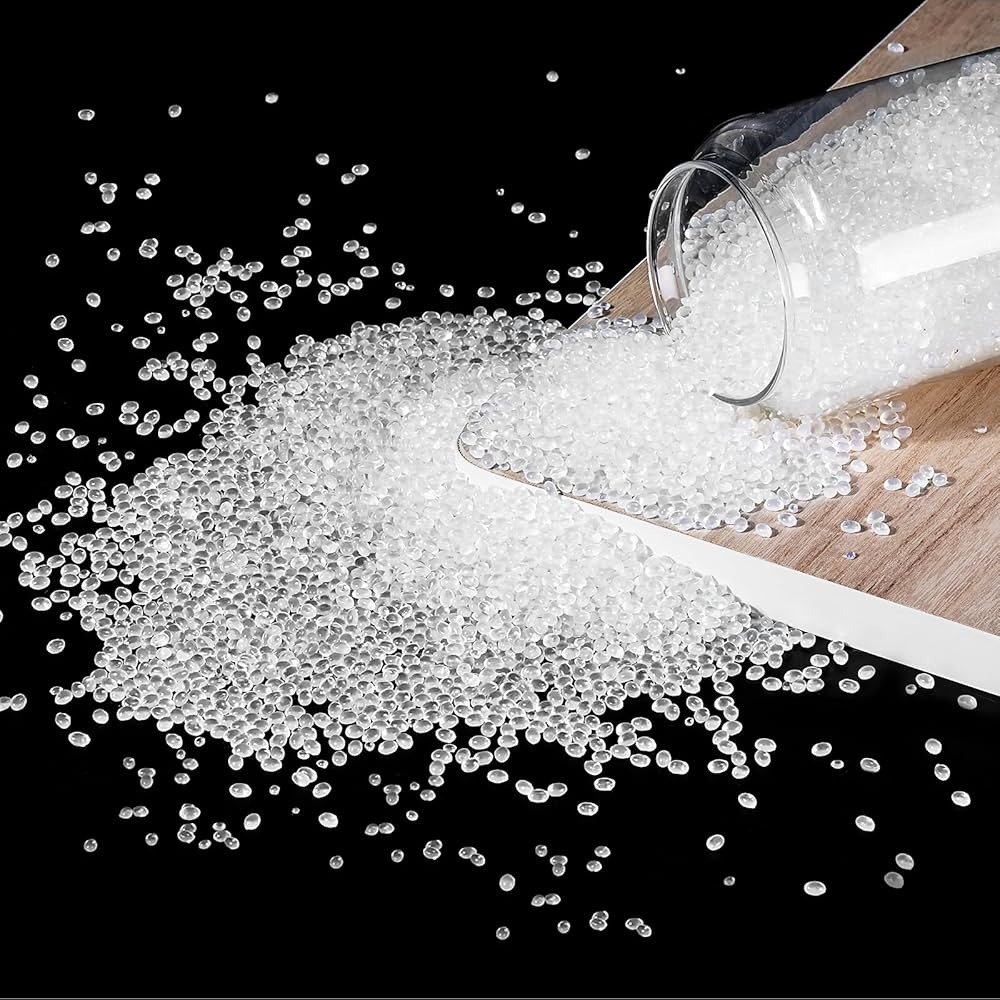
Hot melt adhesive for PVC edge banding is an industrial thermoplastic or reactive adhesive engineered to bond PVC edge tape to MDF, particleboard and plywood panels. Inside edge banding machinery, the glue melts evenly, coats the board edge and forms a tight joint under pressure.
Unlike general woodworking adhesives, a properly formulated hot melt adhesive for PVC edge banding accounts for PVC’s thermal expansion, low wettability and sensitivity to temperature shifts. It is widely used for kitchen cabinets, bathroom vanities, office furniture, wardrobes, decorative panels and commercial furniture.
Modern high-speed edge banding lines demand glue with stable viscosity, controlled open time and clean melt behaviour. Poorly matched hot melt adhesive for PVC edge banding causes recurring issues:
- Edge lifting and peeling
- Weak bonding after transport
- Visible glue lines on dark or high-gloss surfaces
- Glue stringing and overflow
- Delamination in humid or hot environments
- Unplanned machine downtime
To reduce rework and warranty claims, most professional furniture plants select environment-friendly EVA or PUR hot melt adhesive for PVC edge banding with adjusted flexibility and temperature resistance.
EVA vs PUR Hot Melt Adhesive for PVC Edge Banding
Both EVA and PUR systems work for PVC edge banding, but they target different production speeds, product grades and end-use environments. The best choice depends on whether you produce standard indoor furniture, high-gloss custom pieces, bathroom cabinets or export goods.
EVA Hot Melt Adhesive for PVC Edge Banding
EVA hot melt adhesive is the mainstream cost-effective option for mass PVC furniture production. It is a thermoplastic system with predictable melting behaviour and straightforward machine maintenance.
Advantages
- Lower overall material cost for high-volume runs
- Fast melting and good compatibility with standard edge banding machines
- Stable viscosity during long continuous shifts
- Reliable initial tack for conventional matte and mid-gloss PVC tape
Limitations
- Moderate heat resistance; may soften under high transport temperatures
- Limited moisture resistance, less ideal for bathrooms and humid kitchens
- More visible glue lines on dark or ultra-smooth high-gloss PVC
- Bond performance drops when facing large temperature fluctuations
PUR Hot Melt Adhesive for PVC Edge Banding

PUR hot melt adhesive is a moisture-reactive polyurethane glue that cures chemically instead of simply cooling. It has become the preferred hot melt adhesive for PVC edge banding in high-end and export furniture lines.
Advantages
- Superior heat resistance, suitable for container shipping and hot climates
- Strong moisture resistance for kitchen and bathroom applications
- Excellent adhesion on smooth high-gloss PVC
- Thin, nearly invisible glue lines for premium finishing
- Long-term bond stability with less risk of edge peeling
Limitations
- Higher procurement cost than standard EVA
- Requires sealed glue systems and dry workshop conditions
- Machine cleaning and material handling demand stricter procedures
How to Choose the Best Adhesive for PVC Edge Banding
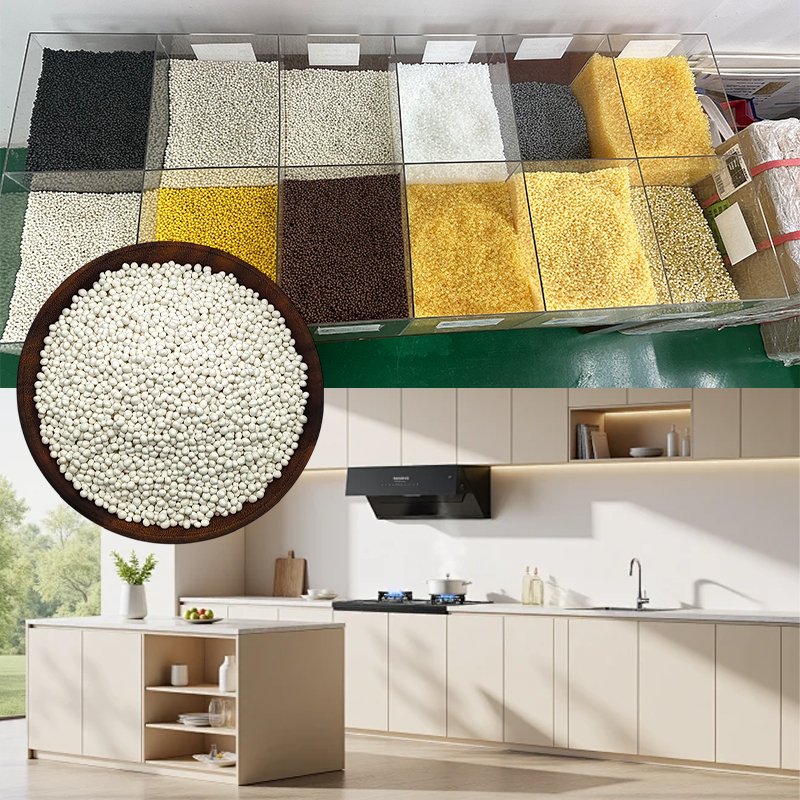
There are several production considerations to make when choosing the most suitable adhesive for PVC edge banding. When selecting an adhesive system, furniture manufacturers need to take into account production speed, environmental conditions, panel materials, and machine compatibility.
Consider Edge Banding Material Compatibility
Different edge banding materials require different adhesive characteristics.
For example:
- PVC edge banding requires stable heat resistance
- Acrylic edge banding requires cleaner glue lines
- ABS edge banding may require enhanced flexibility
Incompatible adhesive formulations can decrease bonding strength and increase edge peeling.
Evaluate Production Speed
Adhesive systems for high speed edge banding production lines must have stable viscosity and quick curing time.
Unstable adhesive performance may lead to:
- Glue stringing
- Uneven coating
- Weak bonding
- Machine downtime
Hot melt glue is a preferred edge banding material for industrial furniture manufacturers because it will perform well in continuous production.
Analyze Heat Resistance Requirements
Edge banding adhesive formulations for furniture exported to hot climate areas must be heat resistant.
Poor quality adhesive can melt during transit or in storage, resulting in:
- Edge lifting
- Delamination
- Surface deformation
PUR hot melt adhesive is generally used for furniture applications at high temperature.
Check Moisture Resistance
Humidity and water vapor are common in kitchen cabinets and bathroom furniture.
Edge banding adhesive for furniture is moisture resistant, which helps to prolong the use of furniture and enhance the stability of the product.
In moist conditions, many manufacturers opt for waterproof PUR adhesive systems.
Adhesive (Shanghai) Co. Ltd has been in production for more than 20 years, and has been supplying customized EVA and PUR hot melt adhesive solutions to industrial furniture production lines, distributors and e-commerce furniture manufacturers.
Common Problems with PVC Edge Banding Adhesive
In furniture manufacturing, the performance of the adhesive is directly related to the quality of the bond and its durability. High quality PVC edge banding materials can still result in production and bonding issues due to the instability of the adhesive performance.
Edge Banding Starts Peeling
Edge peeling is one of the most common problems in furniture manufacturing. Typically develops after transportation, storage or extended use.
Common causes include:
- Insufficient adhesive temperature
- Weak bonding strength
- Poor heat resistance
- Humid environments
It is a particular issue for export furniture, bathroom furniture and kitchen cabinets that are subjected to heat or moisture.
PUR hot melt adhesive is used in these applications, due to its better resistance to heat and moisture.
Visible Glue Lines on Dark Panels
Glue lines can be visible on furniture, particularly dark coloured or high gloss panels.
This problem is often caused by:
- Excess adhesive application
- Unstable melting performance
- Poor edge trimming
- Low-quality adhesive
Many furniture factories apply PUR hot melt adhesive which has less glue line visibility and stable bonding performance to get cleaner finishing.
Excess Glue Residue During Production
The residue of glue may be seen in the production of the edge band at high speed if the glue viscosity or the temperature is unstable.
This can lead to:
- Additional cleaning work
- Uneven coating
- Reduced production efficiency
Consistent melting performance of the stable hot melt adhesive helps to minimize glue overflow and machine stability during continuous production.
Weak Bonding in High-Temperature Environments
If the adhesive used for bonding the edges of furniture is not sufficiently heat resistant, edge bonding problems may occur when the furniture is exported to a hot climate region.
High temperatures during transportation or storage may cause:
- Edge lifting
- Delamination
- Weak corner bonding
In the case of export furniture and high-quality cabinet manufacturing, many manufacturers opt for heat-resistant PUR adhesive systems to ensure long-lasting bond stability.
Adhesive (Shanghai) Co.Ltd is a manufacturer of EVA and PUR hot melt adhesive, with over 20 years of experience, it can supply stable and environmentally friendly adhesive solutions for furniture manufacturers and industrial edge banding production lines.
Applications of Hot Melt Adhesive in Furniture Manufacturing
Stable edge banding adhesive technology is important in modern furniture production. Different furniture applications require different standards of adhesion properties and performance.
Kitchen Cabinets
Good resistance to moisture and high heat durability is needed.
Office Furniture
Needs stable bonding performance for high volume industrial manufacturing.
Bathroom Furniture
The adhesive needs to have waterproof performance and long-term bonding stability.
Wardrobes and Closets
Requires clean glue lines and strong edge sealing.
Decorative Furniture Panels
Requires premium surface finish and strong adhesive bonding.
Many furniture manufacturers are now choosing the use of advanced EVA and PUR hot melt adhesive systems, which have both environmental performance and strong bonding strength, and stable industrial production capability.
FAQ
Q1: Why does ordinary EVA glue peel off easily on high-gloss PVC edge banding?
A: High-gloss PVC has very low surface tension. Standard EVA cannot fully wet the surface. Use upgraded PVC-specific EVA or PUR hot melt adhesive for PVC edge banding to improve long-term adhesion.
Q2: Do I need special equipment to run PUR hot melt adhesive for PVC edge banding?
A: Many existing edge banding machines can run PUR after adjusting temperature, speed and pressure. Older open systems may suffer from premature curing, so we review your machine model before recommending a setup.
Q3: What is the MOQ and lead time for custom hot melt adhesive for PVC edge banding?
A: Custom MOQ is 100 kg. Custom lead time is 7–15 working days. We accept small trial batches for line testing.
Q4: Is PUR always required for thick PVC edge banding above 2 mm?
A: Not always. Custom flexible EVA works for standard mass production. PUR is recommended for high-end, export and humid-area furniture because thick PVC creates greater thermal stress on joints.
Q5: How can I reduce glue residue on matte PVC edge banding?
A: Residue usually comes from unstable viscosity or incorrect temperature. Our hot melt adhesive for PVC edge banding maintains consistent melt flow to minimize overflow and trimming work.
Q6: Are your hot melt adhesives compliant for furniture export?
A: Our EVA and PUR hot melt adhesive for PVC edge banding meets common export standards including ISO and CARB. We can provide certificates and batch test documents upon request.
Q7: Can distributors order mixed EVA and PUR shipments?
A: Yes. We support mixed-container orders for stable distributors, helping you serve both budget and premium customer segments.
Q8: What testing process should factories follow before switching adhesive grades?
A: Test panels with your real board, PVC tape and production speed. Simulate transport climate if exporting. Check peel strength and edge stability before full-line adoption.
Q9: Do I need different glue formulas for summer and winter production?
A: Ambient temperature and humidity affect open time and initial tack. We suggest low-temperature resistant grades in winter and anti-softening grades in summer for consistent results.
Q10: Can you provide technical support when edge banding defects appear?
A: Yes. We offer remote troubleshooting for bonding issues, machine parameter advice and process optimisation support for manufacturers using our hot melt adhesive for PVC edge banding.
Conclusion
Hot melt adhesive for PVC edge banding must be selected around PVC’s unique surface and thermal properties. Standard EVA is cost-effective for regular indoor furniture, while PUR delivers superior heat, moisture and ageing resistance for high-gloss, kitchen, bathroom and export products.
With over 20 years of adhesive manufacturing experience, our team supplies stable EVA and PUR hot melt adhesive for PVC edge banding, custom formulations, samples and export-ready documentation for furniture factories and distributors worldwide.
Contact us to discuss your line requirements and receive product recommendations or sample testing support.
Leave a Reply