
Granule vs Stick Hot Melt Adhesive: What Is the Difference?
Hot melt adhesives are used in the packaging, woodworking, printing, and assembly industries all over the world. The type of adhesive used has a direct impact on production speed, bond quality and overall operating cost. The most frequently asked questions by buyers and production engineers are among all the available forms, the debate on granule vs stick hot melt adhesive. Both are thermoplastic polymers, which melt when heated and solidify when cooled, but they have a number of differences in their application, equipment requirements and production environments. Both formats are detailed in this guide, allowing you to make an informed and confident decision for your production environment.
What Is Granule Hot Melt Adhesive?
Definition and Form Factor
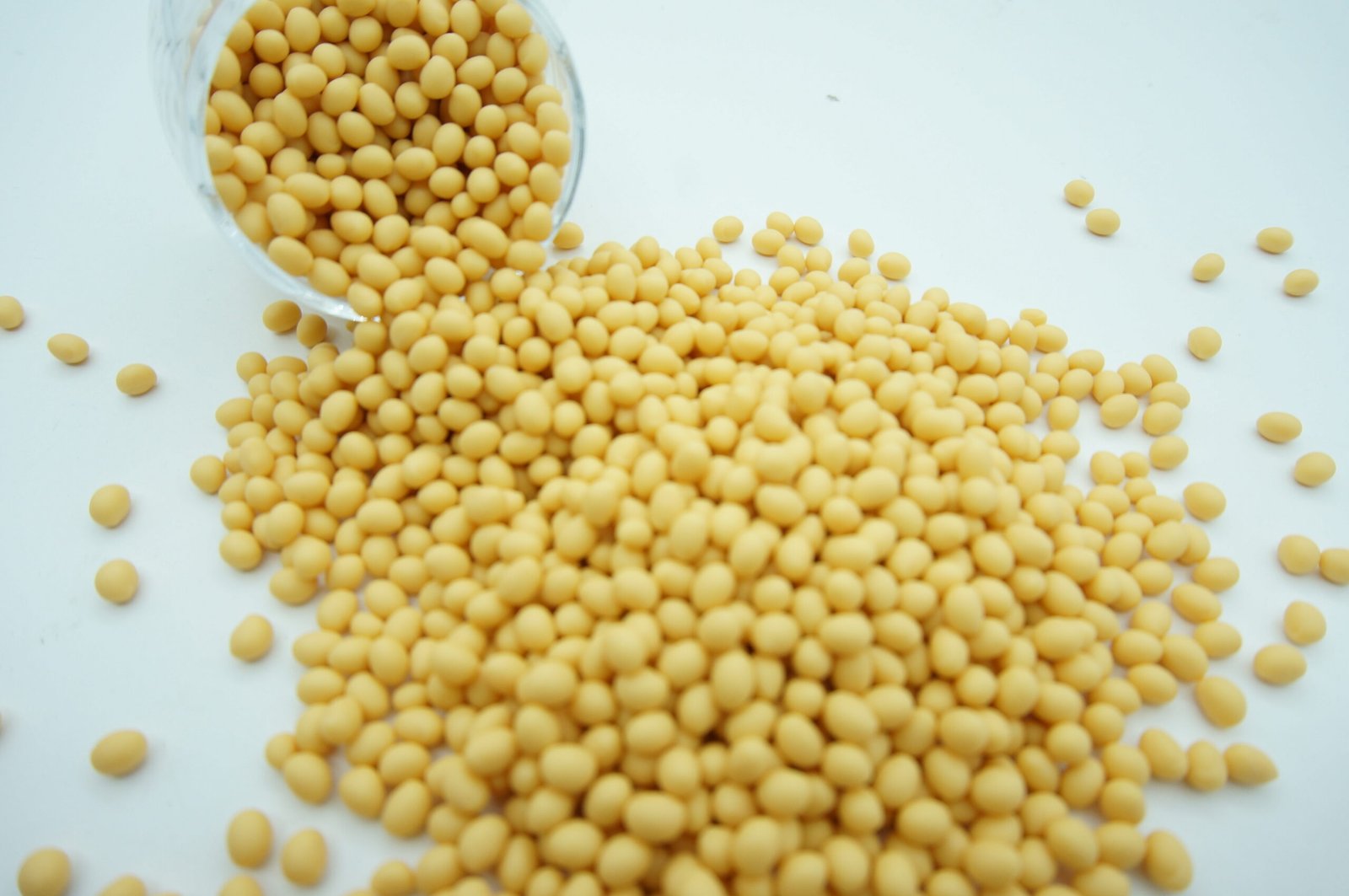
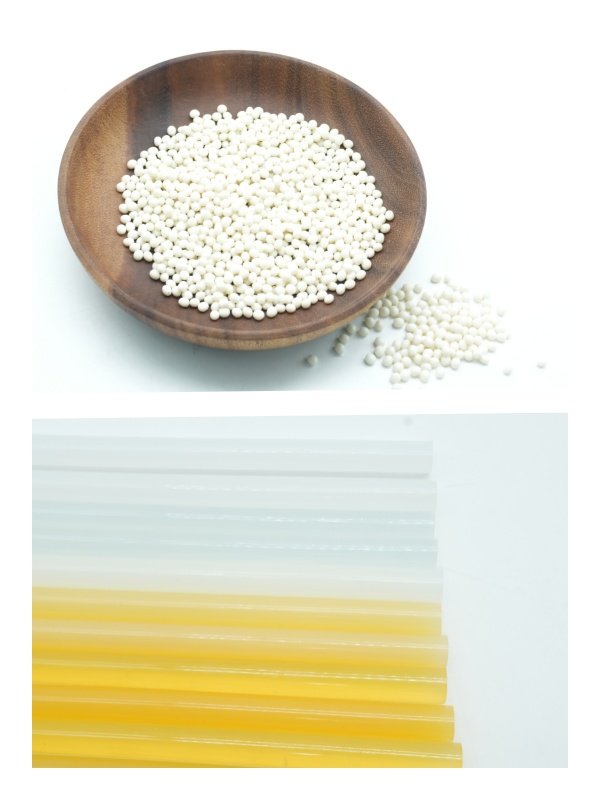
Granule hot melt adhesive is a small bead or irregular bead shaped solid adhesive that is composed of thermoplastic base resin, usually EVA (ethylene-vinyl acetate) or PUR (polyurethane reactive). Granules are completely solid and non-tacky at room temperature and can be easily stored or transported in bulk bags or drums. They are intended to be fed into industrial melter tanks where they are constantly heated and extruded via precision nozzles onto production substrates.
Key Characteristics
- High-speed production compatibility: Granule hot melt adhesive can be continuously fed into large capacity tank melters, and can be used continuously on lines that operate at hundreds of meters per minute.
- Precise metering:Industrial dispensing systems ensure precise amounts of adhesive dispensed per cycle, reducing waste and providing consistent bond strength in each unit manufactured.
- Stable bonding performance: Under the proper temperature and pressure conditions, granule hot melt adhesive formulations, especially PUR grades, can consistently provide bonding stability rates of 99% or higher.
- Wide formulation range: The granule form of fast curing PUR adhesive, reactive EVA and high-viscosity specialty grades are the main types available and provide performance that cannot be matched by standard stick adhesives.
Primary Applications
Packaging industry: In automated carton sealing, case erecting and tray forming on high throughput fulfillment and food production lines, hot melt adhesive for packaging is standard in granule form.
Edge banding: Edge banding hot melt adhesive in granules is commonly used in furniture and cabinetry plants to join PVC, ABS or veneer to MDF panels. For this use, PUR granule adhesives provide better heat and moisture resistance.
Printing and bookbinding: Perfect binding machines are used to bind book covers and spines at high speed and precision with granule adhesives. The open time of granules and their speed of set are important for in-line binding operations where books have to immediately resist handling and trimming.
Corrugated box sealing: Industrial hot melt adhesive granules are used in high volume corrugated lines for quick and reliable multi-nozzle sealing. Temperature resistant formulations are used to guarantee the sealing of flaps in cold chain or refrigerated distribution.
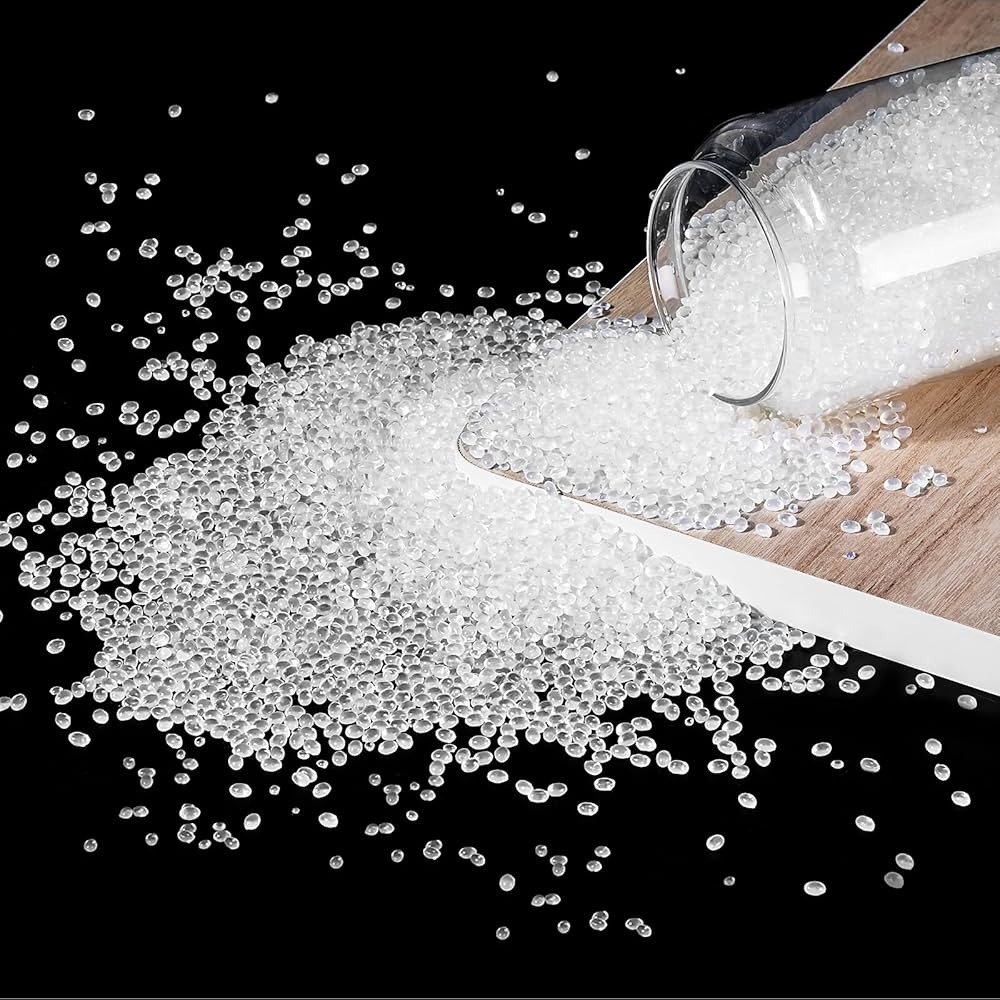
Granule hot melt adhesive is made up of small, uniformly sized pellets designed for bulk feeding into automated melting systems. Granule vs stick hot melt adhesive, granules are especially popular in industrial applications because they are compatible with high-speed production lines and metering equipment.
What Is Stick Hot Melt Adhesive?
Definition and Form Factor
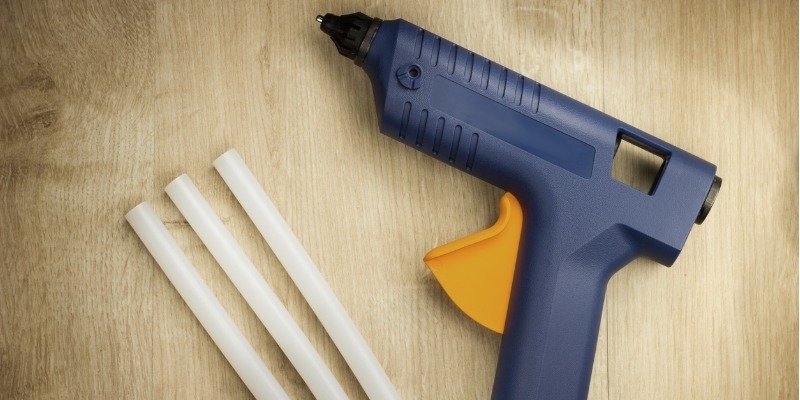
Stick hot melt adhesive is a solid cylindrical rod in standard diameters of 7 mm, 11 mm, 12 mm and 15 mm, usually formulated with EVA. Sticks are inserted directly into a handheld or benchtop glue gun. The gun will heat the stick to operating temperature within 1-3 minutes and the melted adhesive can be manually applied to a substrate.
Key Characteristics
- Ease of use: Stick hot melt adhesive is easy to use and does not need any special equipment or skills. The only tools required to start bonding are a glue gun and a pack of sticks.
- Flexibility for variable production: Each stick is a single unit, so changing the adhesive type is simple without cleaning tank systems; a practical benefit for multi-product workshops.
- Portability: There are lightweight stick adhesive systems and cordless systems available, which can be used for field repair and on-site assembly.
Primary Applications
Furniture repair: Hot melt adhesive is often used to re-veneer, bond trim and to make on-site, quick structural repairs in workshops.
Manual and artisanal packaging:Stick glue guns are used for a flexible, low investment sealing and assembly solution for small-scale or decorative packaging operations.
Craft and floral assembly: In craft and floral design, the most common method of attaching ribbon, foam, paper, fabric, and light weight decorative elements is by using sticks.
Stick hot melt adhesive is a solid rod or stick that is used with a hot melt adhesive gun or a small hot melt adhesive melter. When it comes to hot melt adhesive, comparing granule vs stick hot melt adhesive, sticks are simple, portable, and flexible, making them perfect for low volume production, DIY projects, and repair applications.
Granule vs Stick Hot Melt Adhesive: How They Differ?
The difference between granule vs stick hot melt adhesive isn’t just physical, it also has an impact on production efficiency, equipment, cost, and long term bonding.
Production Efficiency
The biggest difference between granule vs stick hot melt adhesive is its production efficiency. Granule adhesives are formulated for continuous automatic use. Industrial tank melters store several kilograms of granules and provide a continuous supply of adhesive, and there are automated refill systems for continuous production runs.
The stick adhesives are always manual and batch. Each stick lasts for a few minutes of adhesive flow before it needs to be replaced. This is not practical with stick adhesives even if they are of high quality for operations that are producing thousands of units per hour.
Equipment Requirements
The granule hot melt adhesive needs a special industrial infrastructure, such as a hot melt melter tank, a pressurized hot melt adhesive hose system, and precision dispensing heads or slot nozzles. The setup costs vary from $2,000 for basic systems to more than $50,000 for high-capacity multi-head systems. Filter changes, nozzle cleaning, hose inspection are also necessary for regular maintenance.
Only a simple glue gun is needed for stick hot melt adhesive. There are no special technical skills, no heated hoses, and no pressurized parts involved. Minimal maintenance: cleaning of the nozzle and occasional replacement of the nozzle tip.
Cost and Economic Efficiency
Cost is the key from a volume standpoint. Granule adhesives in 20 kg bags or 200 kg drums are much cheaper per kg than the same product in stick form. The savings in material cost alone can pay for the equipment investment in months at high production volumes.
The economics change if the adhesive is used in small quantities, and only a few kilograms per week: the capital investment in industrial equipment is not justified by the difference in adhesive cost per unit.
Bonding Performance and Application Range
Granules offer even heat distribution and even coating, ensuring consistent bonding on a variety of substrates, including wood, cardboard and plastics. For small scale applications, stick adhesives can be used for similar bonding, but may vary with manual application. When comparing granule vs stick hot melt adhesive, temperature tolerance, moisture resistance and substrate compatibility are key factors.
Granule vs Stick Hot Melt Adhesive: Advantages and Disadvantages
To compare granule vs stick hot melt adhesive, it is important to know the pros and cons of each type of adhesive to ensure you choose the right one for your production.
Granule Hot Melt Adhesive
Advantages
- Supports high-capacity automated production with continuous adhesive supply and no manual reloading
- Precise volume metering reduces material waste and lowers adhesive cost per unit at scale
- Uniform melt characteristics deliver consistent viscosity and repeatable bond quality run after run
- Access to the full range of industrial formulations including fast curing PUR adhesive, reactive EVA, and high-viscosity specialty grades
Disadvantages
- Expensive capital costs for melter systems, heated hoses and dispensing equipment
- Higher maintenance needs: frequent cleaning, filter changes and system calibration needed
- Not suitable for low volume, occasional or small batch applications
- Time for changeover between formulations involves tank cleaning and flushing time
Stick Hot Melt Adhesive
Advantages
- Extremely simple to use with minimal training required and no complex equipment setup
- Low start-up costs, standard glue guns are widely available and inexpensive
- Adaptable to different production environments that require different types of adhesives
- Easy to move around and use for repairs, prototyping and craft
Disadvantages
- Not suitable for high speed industrial production lines because of manual reloading restrictions
- More expensive adhesive per kg than bulk granule formats
- Few formulation choices (high performance PUR and specialty industrial grades are not widely available in stick form)
- Reduced bonding consistency because of variability in manual application
Which One Should You Choose?
Choosing between granule vs stick hot melt adhesive comes down to three practical questions: How fast is your production line? What is your equipment budget? And what performance does your application demand?
Use this quick-reference table to identify your best match:
| Criteria | Granule Hot Melt Adhesive | Stick Hot Melt Adhesive |
| Production volume | High (thousands of units/hour) | Low to medium |
| Line speed | Fully automated, high-speed | Manual or semi-automatic |
| Equipment budget | High (industrial system required) | Low (glue gun only) |
| Substrate type | Paper, wood, plastics, composites | Paper, wood, fabric, foam |
| Bond durability | High—heat and moisture resistant | Moderate—standard conditions |
| Adhesive cost (per kg) | Lower at volume | Higher per unit |
Granule hot melt adhesive, especially fast curing PUR adhesive formulations, is the obvious choice for performance and long-term cost efficiency, if you run a packaging line, furniture plant or any automated production environment. PUR granules in particular are worth evaluating for edge banding, outdoor packaging and where the bond must survive after assembly change in temperature, humidity or mechanical stress.
If you need a low-investment solution for repairs, prototyping or one-off small-batch work, stick hot melt adhesive is unbeatable in terms of simplicity and flexibility. For most general-purpose indoor bonding on paper, cardboard, wood and many lightweight plastics, standard EVA sticks do a good job, and the ready availability of specialty stick formulas means you can usually find an off-the-shelf match for your substrate without custom development.
Still weighing the granule vs stick hot melt adhesive decision for your operation? At Adhesive (Shanghai) Co.Ltd, we’ve spent 20 years engineering EVA and PUR hot melt adhesive solutions for packaging, furniture, and industrial customers worldwide.
Frequently Asked Questions
How should Granule vs Stick Hot Melt Adhesive be stored?
Proper storage is important for adhesive performance. Store granules in a cool, dry place to prevent moisture absorption, and keep sticks away from direct heat and sunlight to maintain their shape and bonding quality.
Can Granule vs Stick Hot Melt Adhesive be used in humid or extreme temperature conditions?
Yes, but it largely depends on the wording. Fast-curing PUR formulations have been specially developed to produce durable, moisture-resistant and strong bonds even under demanding conditions.
How can I test Granule vs Stick Hot Melt Adhesive before full-scale production?
Always test the adhesive on your actual substrates and production equipment. Sample trials are offered by many suppliers to confirm that line speed, application temperature and bond strength requirements are compatible.
What safety precautions should I take when using Granule vs Stick Hot Melt Adhesive?
When handling granule vs stick hot melt adhesive, always wear protective gloves and eyewear. Avoid contact with molten adhesive. Ensure adequate ventilation in enclosed areas to prevent exposure to fumes.
Can Granule vs Stick Hot Melt Adhesive be reused or recycled?
Unused granules can often be re-melted if stored correctly. Sticks are usually single use per application. Safe reuse of granule vs stick hot melt adhesive Always follow manufacturer recommendations.
Conclusion
Once you have your production environment in place, the granule vs stick hot melt adhesive question is easy to answer. Granule hot melt adhesives are designed for high speed industrial applications where automation, accuracy and repeatable performance in hundreds of thousands of units is the order of the day. Hot melt adhesives are the practical workhorse for small scale work, repairs and when simplicity and low cost are more important than throughput.
Adhesive (Shanghai) Co.Ltd. has been a supplier of industrial hot melt adhesive, including EVA and PUR granule formulations for more than 20 years. Whether you are looking for granule vs stick hot melt adhesive, our professional team can help you select the right product to get consistent, high-quality bonds in your operations.
Leave a Reply