

What is Pressure Sensitive Hot Melt Adhesive?
Pressure sensitive hot melt adhesive — commonly abbreviated as PSA — is a non-reactive adhesive that bonds instantly when light pressure is applied, with no heat, solvents, or curing agents required at the point of application. Unlike reactive or heat-activated adhesives, PSA remains permanently tacky at room temperature, which allows immediate adhesion to substrates like paper, plastic, metal, foam, and textiles.
This “instant bond, no cure time” property is exactly why PSA dominates high-speed production environments where downtime is costly. It’s typically supplied hot-applied — melted for coating, then cooled to a permanently tacky solid — which is what distinguishes it from solvent-based or water-based pressure sensitive hot melt adhesive formulations that rely on evaporation to set.
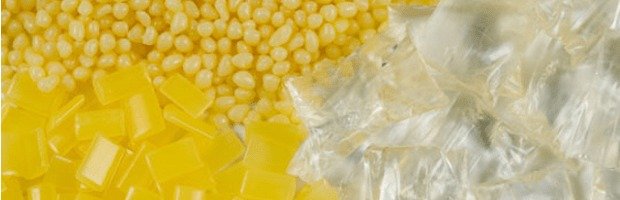
Types of Pressure Sensitive Hot Melt Adhesive
Not all PSA is built the same way. The base polymer determines how it performs under heat, cold, UV exposure, and long-term aging. The three main categories are:
| Type | Bond Characteristics | Temperature Range | Typical Cost | Best For |
| Rubber-based (SIS/SBS) | High initial tack, aggressive bond | -20°C to 60°C | Lowest | General labeling, packaging, tape |
| Acrylic | Balanced tack and durability, better UV/aging resistance | -20°C to 90°C | Medium | Outdoor labels, automotive trim |
| Silicone-based | Excellent temperature and chemical resistance | -40°C to 200°C+ | Highest | Medical devices, electronics, high-temp applications |
For most standard packaging or converting applications, rubber-based pressure sensitive hot melt adhesive is the default choice due to cost efficiency. Applications involving outdoor exposure, sterilization, or extreme temperatures usually justify the higher cost of acrylic or silicone-based formulations. It’s worth noting that within each category, individual product lines can vary significantly in tack and peel strength, so the base polymer type is a starting point for selection, not the final answer.
How PSA Achieves Bond Strength
Unlike reactive adhesives, PSA doesn’t “cure” in the traditional sense — it develops strength over dwell time as the polymer conforms to the substrate surface. A typical strength development timeline looks like this:
| Time After Application | Bond Strength |
| 20 minutes | ~50% (initial tack) |
| 24 hours | ~90% |
| 72 hours | Maximum adhesion |
This matters for production planning: parts bonded with PSA can move down the line immediately, but if the application involves stress testing or tight packaging, it’s worth accounting for the full 72-hour strength curve before final quality checks. Rushing quality control before the adhesive reaches full strength is a common source of false-negative failures in incoming inspection.
Key Technical Parameters to Look For
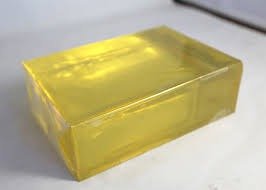
When reviewing a technical data sheet (TDS), four parameters matter most for comparing pressure sensitive hot melt adhesive products:
- Viscosity — measured in cPs at a given temperature; determines how the adhesive flows during coating. Too high, and it won’t coat evenly; too low, and it may bleed through thin substrates.
- Open time — how long the adhesive stays workable after application before it sets. Shorter open time suits high-speed lines; longer open time gives more flexibility for manual assembly.
- Tack — initial stickiness on contact, usually tested via rolling ball or loop tack methods. High tack is critical for instant-bond applications like labels.
- Peel strength / cohesive strength — how much force is needed to remove the bond, and whether the adhesive itself fails before the substrate does. This determines whether a bond is “permanent” or “removable” in practice.
Understanding these four numbers is usually enough to compare products from different suppliers on equal footing, rather than relying on marketing claims alone. If a supplier can’t provide a full TDS with these values, that’s often a signal to keep looking.
PSA vs Traditional Adhesive
| Feature | Traditional Adhesive | Pressure Sensitive Hot Melt Adhesive |
| Activation | Heat, solvent, or UV curing | Pressure only |
| Bonding speed | Minutes to hours | Immediate |
| Reversibility | Usually permanent | Often removable, depending on formulation |
| Typical applications | Construction, heavy industrial assembly | Labels, tapes, lightweight assembly |
Advantages of Pressure Sensitive Hot Melt Adhesive
- Instant bonding — no curing downtime, ideal for high-speed lines
- Substrate versatility — bonds foam, PVC, glass, paper, and metal for multi-scenario use
- Clean application — no solvent residue, easier to meet environmental compliance
- Tunable performance — tack, peel strength, and temperature resistance can be adjusted to the application
- Lower equipment complexity — no curing ovens or UV stations required, which simplifies line setup for smaller manufacturers
Does PSA Dry? Storage and Handling
No — PSA remains tacky indefinitely and doesn’t “dry” the way solvent-based adhesives do. What looks like a dry surface is actually the solidified polymer matrix. To preserve shelf life and performance:
- Store rolls at 15–25°C in original packaging
- Avoid prolonged UV exposure, which accelerates aging and reduces tack
- Keep humidity controlled, since moisture absorption can affect coating consistency on the next application
- Check manufacturer shelf-life specs, especially for silicone-based grades, which can vary significantly between suppliers
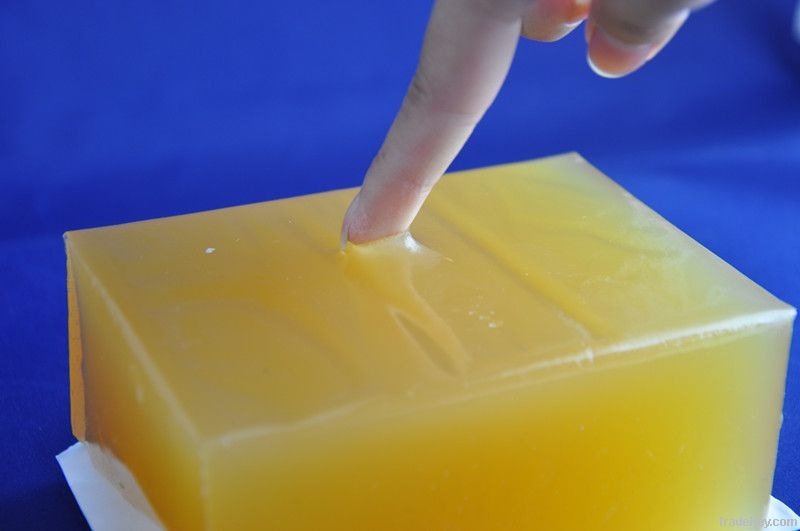
How to Remove PSA Residue?
If you need to remove pressure sensitive hot melt adhesive residue — for rework, rebonding, or surface prep — common methods include:
- Silicone-based solvents — evaporate cleanly with minimal residue
- Isopropyl alcohol — effective for small residue spots
- Heat guns — soften the adhesive for gentle mechanical scraping
- Mechanical scraping with plastic tools — avoids scratching sensitive substrates like glass or coated metal
Applications by Industry
Medical: Pressure sensitive hot melt adhesive is widely used in hypoallergenic tapes and wound care products, where skin-safe, low-irritation formulations are essential. Medical-grade PSA typically requires biocompatibility testing and consistent performance across a range of skin types and moisture conditions, and documentation of biocompatibility test results is often a prerequisite for medical device customers.
Packaging: Tamper-evident labels, carton sealing, and case erecting are common uses. Here, initial tack and fast setting speed matter most, since packaging lines often run at high speed with minimal dwell time before the next processing step.
Automotive: Interior trim assembly relies on PSA for clean, solvent-free bonding, while under-the-hood components require high-temperature grades rated for sustained heat exposure near the engine. Automotive customers frequently require long-term aging test data before qualifying a new adhesive supplier.
Electronics: Film and component assembly on production lines often uses pressure sensitive hot melt adhesive for its precision and clean application — critical where solvent residue could damage sensitive components or affect electrical performance.
Other uses: Furniture assembly, bookbinding, and footwear manufacturing typically use non-Pressure sensitive hot melt adhesive hot melt grades, which bond through heat activation rather than pressure alone — worth noting so you don’t confuse the two categories when sourcing.
Common Troubleshooting Issues
Bond strength is too weak: This is usually caused by insufficient dwell time, low application temperature, or a substrate with low surface energy (like some plastics) that the adhesive can’t properly wet out. Increasing coating weight or switching to a higher-tack formulation often resolves this.
Adhesive becomes brittle in cold conditions: Standard rubber-based pressure sensitive hot melt adhesive can lose flexibility below its rated temperature range. Switching to acrylic or a cold-flex formulation is the typical fix for cold-chain or outdoor applications.
Uneven coating on the substrate:Usually a viscosity or application temperature issue — the adhesive is either too thick to spread evenly or applied below its optimal coating temperature. Checking the TDS-recommended coating temperature range is the first troubleshooting step.
Adhesive fails after prolonged UV exposure: This typically points to a rubber-based formulation being used in an application it wasn’t designed for. Acrylic-based PSA has significantly better UV stability for outdoor or window-facing applications.
Adhesive migrates or bleeds through thin substrates: Usually caused by excessive coating weight or a formulation with viscosity too low for the substrate. Reducing coating weight or switching to a higher-viscosity grade typically resolves it.
Compliance and Certifications
For buyers sourcing internationally, especially in medical, food-adjacent packaging, or export markets, it’s worth confirming:
- RoHS / REACH compliance — required for many EU-bound shipments
- FDA compliance — relevant if the adhesive will have indirect food contact, such as certain packaging applications
- ISO 9001 — indicates a documented quality management system at the manufacturing facility
Ask suppliers for current compliance documentation rather than assuming it applies across their full product line — certifications are often specific to certain formulations, not the whole catalog.
Frequently Asked Questions
Contact Us
This guide is provided by Adhesive (Shanghai) Co., Ltd. an ISO 9001-certified manufacturer specializing in customized pressure sensitive hot melt adhesive solutions for packaging, medical, automotive, and electronics applications. For technical data sheets or product samples, contact us at info@great-adhesive.com or via WhatsApp at +86 156 1852 5178.
Leave a Reply